In 2015, compared to 2009, the nation had more people and lower incomes, but higher rents. All things being equal, the number of people who are homeless should have gone up. But it did not. It went down. What changed, and what's next?



Between 2009 and 2015 (our most recent numbers) we have:
- Reduced homelessness by 10 percent
- Reduced homelessness among individual adults by 9 percent
- Reduced family homelessness by 13 percent
- Reduce chronic homelessness by 22 percent
- Reduced the number of people who are unsheltered by 24 percent
- Reduced veteran homelessness by 35 percent
During this same period:
- The population went up 5 percent
- The rental vacancy rates fell to 7.1 percent
- Average rents have gone up
- Median household income went down 3 percent
So there were more people, lower incomes, but higher rents. All things being equal, the number of people who are homeless should have gone up. But it did not. It went down. Why? Because of your work. And . . .
Read the full story: Homelessness Is Falling Despite Worsening Conditions. Why?

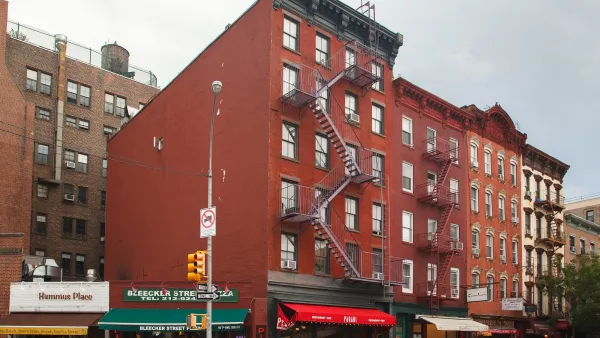
Federal cuts to voucher program put 9,000 New Yorkers at risk of homelessness
The Emergency Housing Voucher program is ending years ahead of schedule, forcing housing agencies to find new ways to support roughly 70,000 households nationwide.
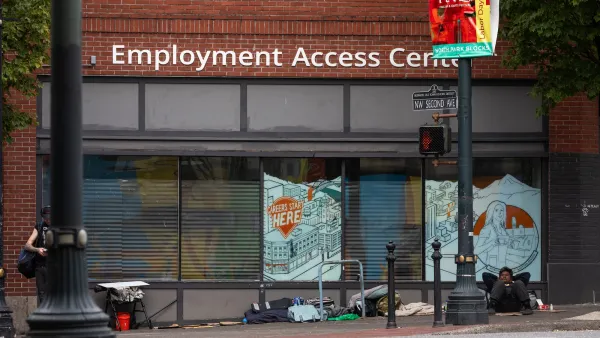
Judge: HUD acted illegally in changing homelessness grant rules
A Rhode Island judge struck down 'partisan' Trump restrictions on Continuum of Care Build grants.

One Federal Low-Income Housing Program is Actually Being Expanded
Recent changes to the Low-Income Housing Tax Credit program could lead to over a million new housing units, but cuts to adjacent and complementary programs could limit its impact.

Planetizen Federal Action Tracker
A weekly monitor of how Trump’s orders and actions are impacting planners and planning in America.

‘Going backwards:’ Baltimore mayor, students rally against state's transit funding plan
Maryland's proposed six-year plan provides no funding for Baltimore’s BMORE bus program and reduces its road maintenance funding.

Detroit to transform waterfront with $2.2 billion investment
Developers will convert about 18 acres of unused parking lot space into civic spaces.

HUD modernizes 50-year-old manufactured housing framework
The Next Generation Manufactured Housing Action Plan establishes new energy-efficiency standards for manufactured homes, and new guidelines for anchoring them.

New CA housing laws tear down development red tape
Recently-signed legislation makes building starter homes and ADUs cheaper and faster in California.

Metrolink finishes first expansion in 20 years
The transit agency is now one of very few in the United States to connect two major airports.

FREE Course: Walkable City 1: Why Walkability?
After describing his path towards focusing on walkability as the essence of good planning, Jeff Speck marches through his five principal reasons for making more walkable places.
Reinventing Malls: Planning Alchemy—Turning Gray Fields Into Gold
The course focuses on the opportunities and imperatives that shape reinvention of mall sites.

One Hundred Miles
County of Mendocino
planning NEXT
The Architects Foundation
University of Cincinnati Online
Montrose County
Northern Illinois Transit Authority (NITA)
The Pocatello Development Authority