Bike sharing and rental systems are becoming more inclusive, considering the needs of those with disabilities and children. And systems are expanding based different uses people have for different types of bicycles.



Bikesharing and bike rental has been popping up all over the United States the past few years, with more and more communities recognizing the benefits of sharing bicycles. Patrick Holland, a Master's in City and Regional Planning student at The Ohio State University, and I have been exploring the different types of bicycles that are being included in bicycle sharing/rental systems, with a particular interest in learning about programs that are making bike sharing more accessible to the physically disabled.

Most bike-sharing/rental systems only offer comfortable commuter-style bicycles, but a handful of systems are experimenting with incorporating bicycles for other use cases and other types of users. Tandem bikes, cargo bikes, handcycles, pedelecs and children’s bicycles are starting to surface in systems to provide community members with bikes that meet their needs.
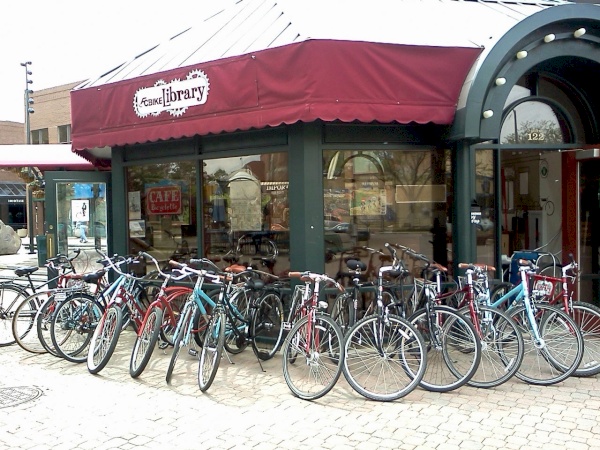
Fort Collins, Colorado's bike library provides 14 different bicycle options including cruisers, tandems, bike trailers, and children's bicycles. The bikes come in different colors and sizes. The bike library has collaborated with the downtown transit center to create a bike library hub and paved the way to become an extension of public transit. The $10 daily fee is waived if the bike is returned by 1 pm on the same day. The bike library accomplished two goals: to encouraging shorter-term use of bikes for higher turnover and to generating revenue for program enhancements.
Vallocycle, the Montevallo, Alabama bike rental program was the first citywide bike rental program in the state. The system includes different sized bicycles with single and multispeed cruisers, mountain bikes, road cycles, children’s bicycles and two handcycles. Annual membership costs $25 for adults, $10 for children, and includes 7-day bicycle rental and renewals.
In Birmingham, Alabama a bicycle share will feature 100 battery-powered pedal assistance bicycles, known as pedelecs. These types of bikes feature an electric motor that assists the user in pedaling. Using these bicycles while riding up hills will take the same amount of effort as riding on a flat road. Bewegen Technologies, who is providing the technology for Birmingham’s system, claims their bikes can complete a full battery charge in one hour which will have a 24-48 hour battery life depending on usage. A screen on the bike tells the rider if it is not charged enough to be ridden and then a technician is immediately notified. The addition of pedelecs into a bike share fleet diminishes obstacles to access for the elderly, people who are obese or people with other health concerns. Adding pedelecs to a fleet not only provides bikes to a wider population, they also help extend the distance people can cover during a rental period. The Birmingham system is expected to launch this fall. The University of Tennessee at Knoxville pedelec bike share system has been operating for one year as a research experiment to understand how electric assist bikes would be used.
This fall, The Ohio State University launched its bike share system with a focus on accessibility. The system is piloting five different types of bicycles including cruisers, side by side tandems, cargo bikes, recumbent tricycles and heavy duty bicycles. The Ohio State system was designed with a focus on accessibility for a wide array of users, including those with mobility disabilities. For example, the side by side tandem was selected to allow a visually impaired rider to ride with a sight guide. Each rider pedals at their own speed and with three wheels there is no concern about balance. The sight guide is responsible for steering and braking. The handcycle can be used by riders with limited leg mobility, allowing the user to pedal with his or her hands rather than legs. The heavy duty bicycles support riders who weigh up to 550 pounds, providing a safe, comfortable ergonomic riding position. Recumbent tricycles, provide riders with a comfortable seat and laid back position and spreading your body weight over a larger area compared provides added comfort. The relaxed seat position means less back, shoulder and neck pain some people experience while riding traditional bikes. Three-wheeled cargo bicycles were included to help those with balance issues and to make it convenient for all riders to make a trip to the store.
With the introduction of different spokes for different folks into bike sharing/rental systems more people, regardless of ability, will have the opportunity to move freely throughout cities, explore new destinations, and get some exercise while having fun.
Does your community have different spokes included as part of your bike share/rental program? If it does, tell us about it.

Making Shared Micromobility More Inclusive
Cities and shared mobility system operators can do more to include people with disabilities in planning and operations, per a new report.
Bicycles and Books — In Sacramento, Libraries Now Offer Both
Adult library card holders can check out e-bikes and e-trikes for up to one week.
Making Mobility More Inclusive
A new study highlights the challenges people with disabilities continue to face in navigating urban spaces.

Planetizen Federal Action Tracker
A weekly monitor of how Trump’s orders and actions are impacting planners and planning in America.

Amtrak, CN end decades-long dispute with eight-year agreement
The new operating agreement establishes an updated framework for the companies to work together, including processes to resolve disputes.

Judges permit Denver to divert 77,000 acre feet from the Colorado River for reservoir expansion
Overuse and climate change have caused the Colorado River’s water levels to plummet.

NYC DOT wants faster, more permanent street upgrades
The city is examining ways to build more concrete infrastructure without getting entangled in 'decades-long' projects.

'Something we’ve never seen before:' rising utility rates could strain city finances nationwide
Data centers, climate change and other factors have caused utility rates in the United States to increase by 38% since 2020.

Trump to overrule local leaders, lease millions of acres of America’s Pacific Island territories’ seafloors to mining companies
International law says that the Indigenous people of America’s territories have a right to prior and informed consent regarding projects that impact their countries.

FREE Course: Walkable City 1: Why Walkability?
After describing his path towards focusing on walkability as the essence of good planning, Jeff Speck marches through his five principal reasons for making more walkable places.
Reinventing Malls: Planning Alchemy—Turning Gray Fields Into Gold
The course focuses on the opportunities and imperatives that shape reinvention of mall sites.

Harvard University Graduate School of Design
KFH Group Inc.
Greater Baltimore Committee
The Architects Foundation
University of Cincinnati Online
The Pocatello Development Authority
The Urban Renewal Agency of the City of Pocatello

