As the culmination of the Big Dig project that sunk Boston's elevated Central Artery, the Rose Fitzgerald Kennedy Greenway was envisioned as one of the world's premier parks. Though plans have been curtailed, the park has become a beloved space.


"Five years after it opened, the Rose Fitzgerald Kennedy Greenway is attracting hundreds of thousands of visitors a year, its attendance increasing sevenfold since 2009," reports Michael Levenson. "The park — for years maligned as a glorified median strip between downtown and the waterfront — has become something of a people’s park, a bustling urban refuge, despite its lack of major attractions."
"That the Greenway has been embraced by so many is a testament to the power of a patch of grass in an area dominated by concrete plazas and towering buildings," he adds. "Originally envisioned as an emerald gem that would one day rank with the world’s premier urban green spaces, it has instead become a democratic haven, a place for the masses to cool off and unwind, perhaps with a cold drink and a magazine."
"Urban planning experts may mourn that the Greenway is not yet all it could or should be. But city residents, workers, and visitors have voted, and they like it."
Read the full story: Greenway becomes people’s park in Boston

Planning for Development Around Boston's Rose Kennedy Greenway
The Boston Redevelopment Authority is looking to inject some life back into the area surrounding the relatively empty park atop the city's infamous Big Dig.
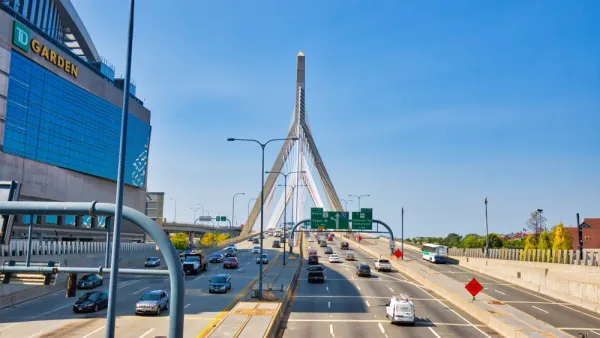
Massachusetts Converts HOV Lane to General Purpose Lane
Road planners looking to increase capacity without adding lanes are focusing on managing existing lanes more effectively. Massachusetts has gone the opposite direction. The Conservation Law Foundation plans to hold them accountable.
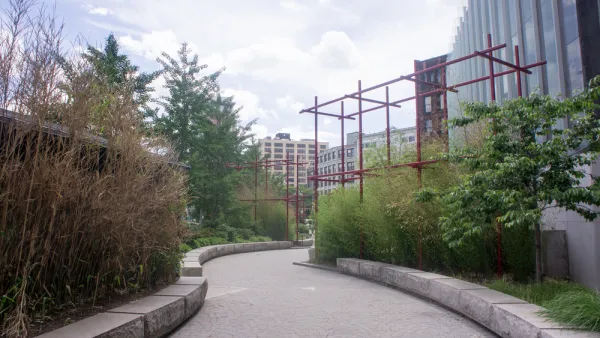
The 'Big Dig' Was a Big Catalyst
Over ten years after the Big Dig finally completed construction, more and more people in Boston are willing to say the project was worth all the trouble.

Planetizen Federal Action Tracker
A weekly monitor of how Trump’s orders and actions are impacting planners and planning in America.

‘Going backwards:’ Baltimore mayor, students rally against state's transit funding plan
Maryland's proposed six-year plan provides no funding for Baltimore’s BMORE bus program and reduces its road maintenance funding.

Detroit to transform waterfront with $2.2 billion investment
Developers will convert about 18 acres of unused parking lot space into civic spaces.

Data center developers are using lawsuits, cash offers to ‘overwhelm’ rural America
Newsrooms in five states worked together to uncover the tactics big tech developers use to buy land from reluctant communities.

U.S.-Iran war may have ‘devastating’ impact on cost to warm homes
Vermont and Maine residents may see a 76% increase in the cost of warming their homes this winter.

Senate bill would ‘overhaul’ environmental permitting laws
Under the proposed act, government agencies would also not be able to suspend or rescind permits after granting them.

FREE Course: Walkable City 1: Why Walkability?
After describing his path towards focusing on walkability as the essence of good planning, Jeff Speck marches through his five principal reasons for making more walkable places.
Reinventing Malls: Planning Alchemy—Turning Gray Fields Into Gold
The course focuses on the opportunities and imperatives that shape reinvention of mall sites.

One Hundred Miles
County of Mendocino
planning NEXT
The Architects Foundation
University of Cincinnati Online
Montrose County
Northern Illinois Transit Authority (NITA)
The Pocatello Development Authority