A new study conducted by the EPA shows that 55 percent of the nation's rivers are in "poor" condition, and only 21 percent are rated as "good" and "healthy biological communities." Farm and industrial pollution are to blame.


"A new report by the Environmental Protection Agency found that the majority of rivers and streams in this country can't support healthy aquatic life and the trend is going in the wrong direction," writes Dashiell Bennett. "Even worse, the number of rivers and streams that qualify as 'good' went down seven precent between 2004 and 2009."
"The reason for these failing grades is, of course, pollution; specifically, phosphorus and nitrogen pollution that comes from fertilizer and wastewater run-off. Those chemicals, which come from farms and industrial sites, choke off healthy plant growth, which turn leads to more soil erosion, more flooding, and unhealthy fish and wildlife," explains Bennett.
"The worst areas for river pollution are the Northeast and deep South, where a shocking 71 percent of rivers rated 'poor.'"
Read the full story: Half of All U.S. Rivers Are Too Polluted for Our Health

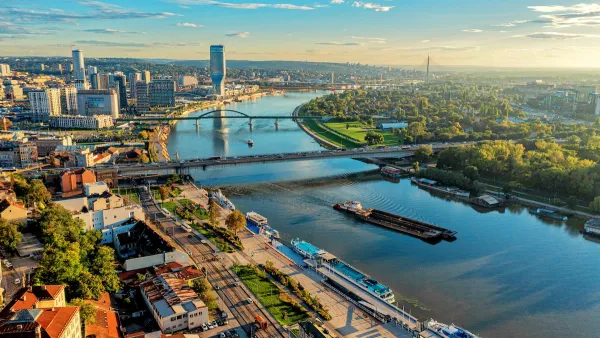
Report: European Rivers Are in Trouble
Some of the continent’s most important rivers are suffering from overuse and pollution.
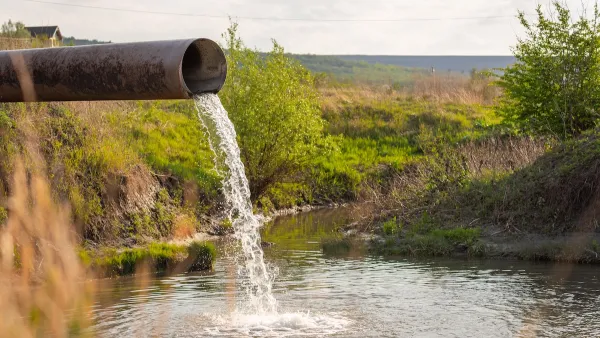
Supreme Court Could Curb EPA’s Water Quality Regulation Powers
A suit brought by the city of San Francisco argues that the agency’s language around water treatment and discharge is too vague and imposes retroactive penalties.

Winter Road Salt is Making Waterways Toxic to Wildlife
Salt used to clear streets is accumulating in local creeks and rivers and seeping into groundwater, contaminating fresh water supplies.

Planetizen Federal Action Tracker
A weekly monitor of how Trump’s orders and actions are impacting planners and planning in America.

Amtrak, CN end decades-long dispute with eight-year agreement
The new operating agreement establishes an updated framework for the companies to work together, including processes to resolve disputes.

Northwest rail fans eager for Sept. 30 debut of Amtrak’s Airo fleet
Get ready for that new train smell and more seats. But they won’t go faster or run more frequently on the Cascades route in Washington and Oregon.

Brightline Florida files for bankruptcy
The transit company is over $5 billion in debt.

St. Louis Metro to test if single-car trains can reduce operating costs, maintain rider satisfaction
The pilot program will run from October to spring 2027, and begin with one single-car train operating on Metrolink’s Red and Blue lines.

Pennsylvania is building data centers in abandoned mines
Housing data centers in mines provides an alternative to destroying local forests and may spare residents from data centers’ noise and air pollution.

FREE Course: Walkable City 1: Why Walkability?
After describing his path towards focusing on walkability as the essence of good planning, Jeff Speck marches through his five principal reasons for making more walkable places.
Reinventing Malls: Planning Alchemy—Turning Gray Fields Into Gold
The course focuses on the opportunities and imperatives that shape reinvention of mall sites.

City of Thousand Oaks
City of Wisconsin Rapids
Harvard University Graduate School of Design
The Architects Foundation
University of Cincinnati Online
The Pocatello Development Authority
The Urban Renewal Agency of the City of Pocatello