The Museum Tower in Dallas, a giant glass condominium, rears its ugly head as it reflects glaring light onto the site it was named after.


Following recent news from The New York Times and Dallas News, Rob Walker writes on the uproar being caused by the Museum Tower condos located across the street from the Nasher Sculpture Center designed by famed architect Renzo Piano, which is reflecting sunlight directly onto the museum and sculpture gardens, "threatening artworks in the galleries, burning the plants in the center's garden and blinding visitors with its glare." Located in the newly rebranded "Dallas Arts District", the development was built to attract a wealthy upper-class with its units ranging from $1 million to $5.4 million. The now infamous Tower was "constructed with no ill intent, but transformed by its design flaws into a civic menace."
Walker waxes poetic, comparing the Towers to a colossal monster like Godzilla ravaging an entire city, which seem to echo Piano's sentiments about the ongoing dispute. Walker states, "Piano refers to the light now threatening the museum as "radiation." And he warns that the condo will "kill the very thing [its owners] named the building after."
The most recent update on the ongoing dispute between Piano and the villainous Tower pegs Piano as "emotional" as he attempts to come to some sort of agreement. With the integrity of the museum's artwork under daily threat, one can only wonder if and when the villain in question will back down.
Read the full story: The Built Villain

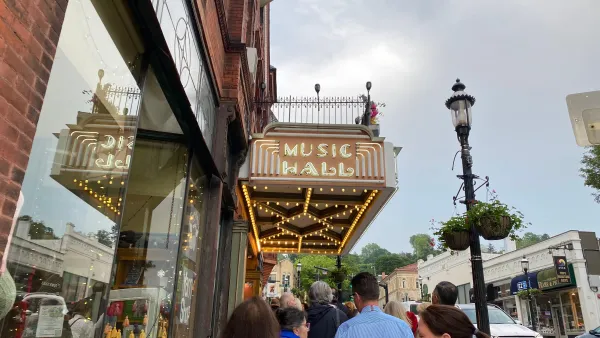
Why city hall doesn't know your music venue is a music venue (and why that matters)
Data shows that cultural venues have long lacked proper classification — which is why so many fall through the cracks.
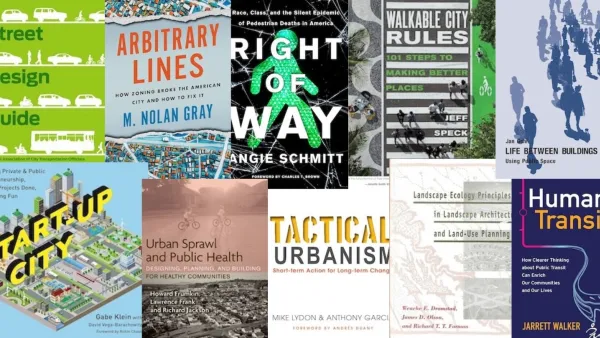
Top 10 Island Press Built Environment Books
From “Life Between Buildings” to “Human Transit,” Island Press has played a critical role in building the catalogue of literature that is foundational to urban planning.

LA is Home to a Growing Native Hawaiian Diaspora
Los Angeles has become a cultural stronghold for Native Hawaiians on the mainland, offering a sense of community, continuity, and connection for those living far from the Islands.

Planetizen Federal Action Tracker
A weekly monitor of how Trump’s orders and actions are impacting planners and planning in America.

California plans to bury El Niño’s downpour
If the state plays its cards right, it may be able to store a billion acre-feet of El Niño’s water in aquifers.

Desperate measures: Advocates weigh draining Lake Powell to fill Colorado River
Draining the reservoir could reduce evaporation losses by a couple hundred thousand acre-feet.

California city breaks ground on transit connector
The project includes three mobility hubs and a pedestrian bridge.

After public outcry, Massachusetts city releases housing development tracker
Cambridge’s tracker currently shows 250 housing projects in various stages of development.

40 years after approval, Chicago breaks ground on new park
The park honors Jean Baptiste Point du Sable, the city’s first permanent non-native settler.

FREE Course: Walkable City 1: Why Walkability?
After describing his path towards focusing on walkability as the essence of good planning, Jeff Speck marches through his five principal reasons for making more walkable places.
Reinventing Malls: Planning Alchemy—Turning Gray Fields Into Gold
The course focuses on the opportunities and imperatives that shape reinvention of mall sites.

City of Rosemead
Rutgers University, Edward J. Bloustein School of Planning and Public Policy
One Hundred Miles
Hunter College, City University of New York (CUNY)
The Architects Foundation
University of Cincinnati Online
City of Cambridge
Montrose County
The Pocatello Development Authority