Kelly Chan explores how temporary architecture is changing our relationship to the built environment, and asks "how permanent is our current fascination for the temporary?"


As the trend in temporary urbanism moves from the streets to the corridors of power, a new "triad of virtues: the light, the quick, and the cheap" (LQC) are hastening the replacement of the classical Vitruvian virtues of utility, durability, and beauty, observes Chan.
"Because of its low cost, modest appearance, and community-driven spirit,
LQC architecture is often seen as a reflection of our times: this
sudden infatuation for the temporary can be read as a pragmatic response
to economic downturn as well as a material expression of the slow
democratization of our cities. But if and when current circumstances
change, will cities abandon the temporary for more traditional
solutions?"
"That is a difficult question to answer, as our conceptions of
architecture are becoming increasingly unfixed. It seems that today's
architects, planners, and city dwellers are actively redefining the
binary that distinguishes the temporary and the permanent."
Read the full story: Pop-Up Populism: How the Temporary Architecture Craze is Changing Our Relationship to the Built Environment


Minneapolis Activists Use DIY Traffic Circles to Identify, Slow ICE
Residents are using the pop-up roundabouts to slow traffic and make their presence known on Minneapolis streets.
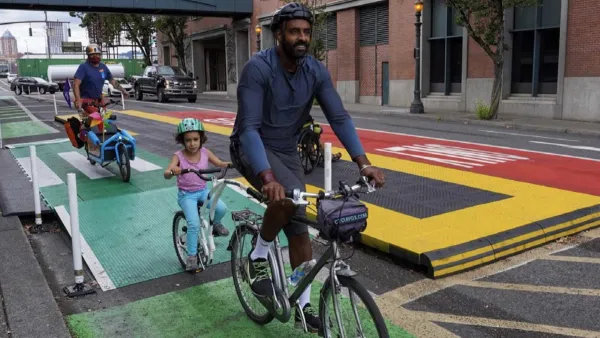
Portland Launches Tool for DIY Community Road Safety Interventions
A set of resources offers safety data and guidance for putting low-cost, quick-build interventions into action.
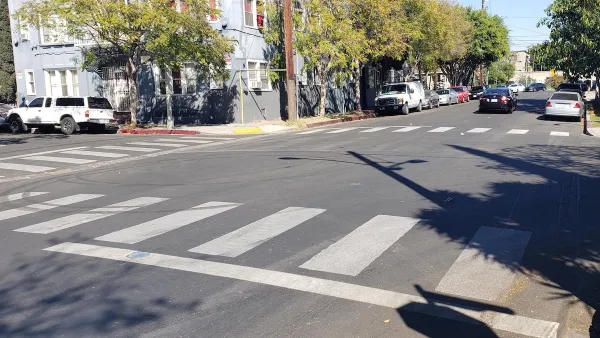
Guerilla Urbanism Spurs Action From Cities
Rather than take a hostile approach to DIY urbanism, some cities are using guerilla efforts as an opportunity to understand critical infrastructure gaps.

Planetizen Federal Action Tracker
A weekly monitor of how Trump’s orders and actions are impacting planners and planning in America.

‘Going backwards:’ Baltimore mayor, students rally against state's transit funding plan
Maryland's proposed six-year plan provides no funding for Baltimore’s BMORE bus program and reduces its road maintenance funding.

Detroit to transform waterfront with $2.2 billion investment
Developers will convert about 18 acres of unused parking lot space into civic spaces.

'I can't live in this:' Mississippi town besieged by power plant noise
A plant powering Elon Musk’s xAI data centers is subjecting Southaven, Mississippi residents to ceaseless noise.

Battered from federal attacks, Louisiana's offshore wind industry refuses to give up
State Representative Joe Orgeron expressed hope that the state could revitalize its wind industry once President Trump leaves office.

Data center developers are using lawsuits, cash offers to ‘overwhelm’ rural America
Newsrooms in five states worked together to uncover the tactics big tech developers use to buy land from reluctant communities.

FREE Course: Walkable City 1: Why Walkability?
After describing his path towards focusing on walkability as the essence of good planning, Jeff Speck marches through his five principal reasons for making more walkable places.
Reinventing Malls: Planning Alchemy—Turning Gray Fields Into Gold
The course focuses on the opportunities and imperatives that shape reinvention of mall sites.

One Hundred Miles
County of Mendocino
planning NEXT
The Architects Foundation
University of Cincinnati Online
Montrose County
Northern Illinois Transit Authority (NITA)
The Pocatello Development Authority