This article from The New York Times looks at how Clinton-era tax breaks helped create the housing bubble.


"Thanks to a tax break proposed by President Bill Clinton and approved by Congress in 1997, he did not have to pay tax on most of that profit. It was a break that had not been available to generations of Americans before him. The benefits also did not apply to other investments, be they stocks, bonds or stakes in a small business. Those gains were all taxed at rates of up to 20 percent."
"The different tax treatments gave people a new incentive to plow ever more money into real estate, and they did so."
"By itself, the change in the tax law did not cause the housing bubble, economists say. Several other factors - a relaxation of lending standards, a failure by regulators to intervene, a sharp decline in interest rates and a collective belief that house prices could never fall - probably played larger roles."
"But many economists say that the law had a noticeable impact, allowing home sales to become tax-free windfalls. A recent study of the provision by an economist at the Federal Reserve suggests that the number of homes sold was almost 17 percent higher over the last decade than it would have been without the law."
Read the full story: Tax Break May Have Helped Cause Housing Bubble

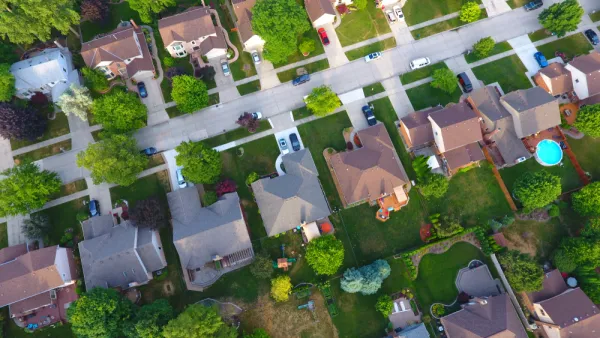
Experts Express Pessimism Over Housing Costs
Although the current housing crisis has been compared with the housing crash of the late 2000s, experts caution that affordability issues could plague the U.S. housing market for years to come.
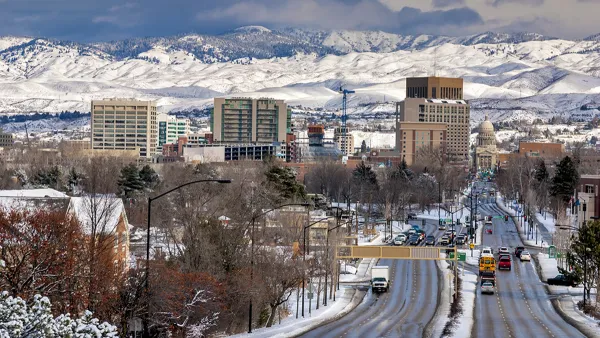
The Most Overvalued U.S. Housing Markets
A new study examines how far out of control some housing markets have gotten as a result of pandemic trends in real estate.
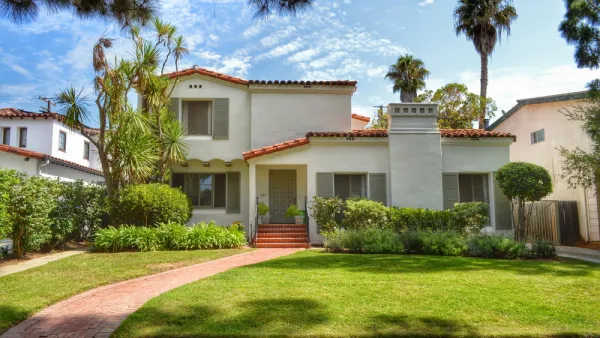
Are We in a Housing Bubble?
As the pandemic shifts housing priorities and costs continue to soar, experts assess the potential for a crash similar to 2008's Great Recession.

Planetizen Federal Action Tracker
A weekly monitor of how Trump’s orders and actions are impacting planners and planning in America.

Amtrak, CN end decades-long dispute with eight-year agreement
The new operating agreement establishes an updated framework for the companies to work together, including processes to resolve disputes.

Northwest rail fans eager for Sept. 30 debut of Amtrak’s Airo fleet
Get ready for that new train smell and more seats. But they won’t go faster or run more frequently on the Cascades route in Washington and Oregon.

A 'dangerous' precedent: North Carolina successfully pressures communities into voting for toll roads
Two mayors resigned from the Charlotte Regional Transportation Planning Organization after it voted in favor of the toll roads.

Austin landlords only need to address mold when it covers 25 sqft. A resolution looks to change that
The city manager will propose updates to the city code regarding regulations around mold in May.

NYCHA’s green future? Officials open ‘showroom’ apartment with sustainable features
Heat pumps, inductions stoves and infrared heating panels: these are a few of the climate-friendly upgrades being installed at some public housing developments, with more to come, officials said Tuesday.

FREE Course: Walkable City 1: Why Walkability?
After describing his path towards focusing on walkability as the essence of good planning, Jeff Speck marches through his five principal reasons for making more walkable places.
Reinventing Malls: Planning Alchemy—Turning Gray Fields Into Gold
The course focuses on the opportunities and imperatives that shape reinvention of mall sites.

City of Thousand Oaks
City of Wisconsin Rapids
Harvard University Graduate School of Design
The Architects Foundation
University of Cincinnati Online
The Pocatello Development Authority
The Urban Renewal Agency of the City of Pocatello