An interview with Greenpeace USA executive director, John Passacantando on the unusually warm winter in Northeast, Exxon Mobil's funding of global warming skeptics, and the squelching of the views of U.S. government scientists on climate change.


"Britain's Meteorological Office predicted that 2007 is likely to be the hottest year since record-keeping began in the mid 1800's. The organization cited rising temperatures due to global warming from greenhouse gases and human activity - combined with the naturally occurring El Nino- as likely to break the earth's temperature record this year. The world's 10 warmest years have all occurred since 1994 with 2006 the sixth warmest on record..."
"...with no particular weather event can we say this is from global warming, but what we can say from a heat wave like we're experiencing in the East is that this is exactly what the scientists have been telling us to expect from global warming: not only increasing temperatures, but disturbed weather patterns and much warmer winters. Now, while some people have been sunbathing this weekend and enjoyed the warmer weather, most people understand that there's something very wrong with this, that this effects the size of the insect populations we're going to see in the spring...It's going to effect so many things..throwing this kind of wrench into our climate systems is a very dangerous thing."
"...this government, at the behest of its oil company contributors, has been told not to put out information about global warming, not to allow the scientists to talk about their expertise with the press, about the connection between global warming and hurricanes....There have been numerous scientists who have come forward and gone public with the fact that they have been really shut down working for the government, and there are many others that we have talked to that are still afraid to come forward. So there's been a -- really a great crime has been perpetrated on the public, in terms of allowing the public to know what the government scientists know about global warming."
Read the full story: Global Warming Heat Wave? January Temps Hit Record Highs Across Northeast


Planetizen Federal Action Tracker
A weekly monitor of how Trump’s orders and actions are impacting planners and planning in America.

The state-sanctioned urbicide of Austin
People don’t kill cities. Freeways do.

Colorado’s Largest Data Center Could Rise Next to Homes — Without a Public Hearing
The proposed campus would consume 11 times the power of Denver International Airport; as it has across the country, opposition mounts.
Raised interest rates may kill financially vulnerable construction projects
The chief economist at ConstructConnect warns that if construction project owners are negatively impacted by the raised rates, it could result in delayed payments to contractors.
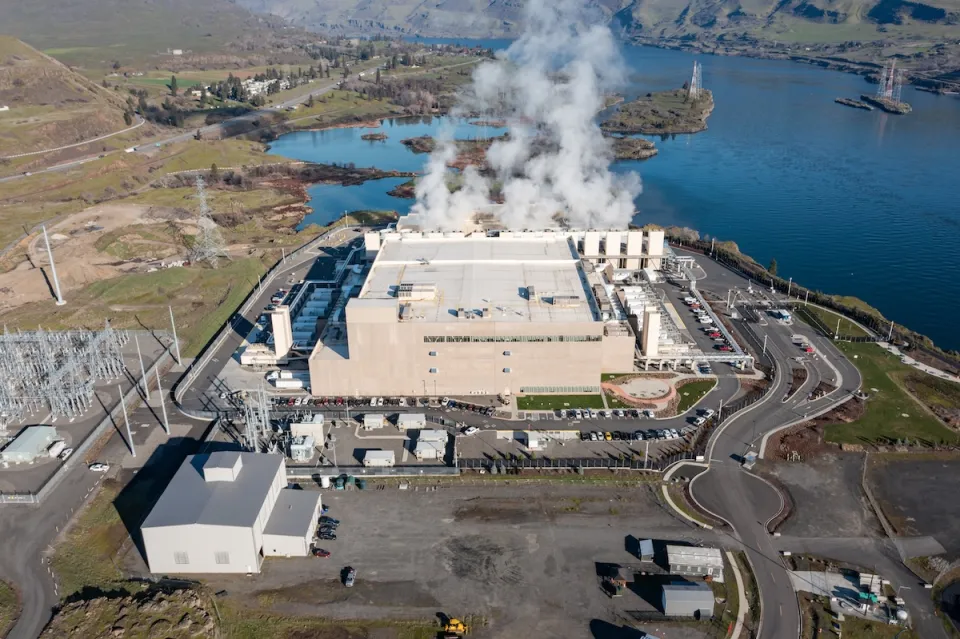
Data centers are consuming nearly 25% of Oregon’s power
The state has 111 data centers, with 32 more either planned or under construction.

A third of Texas cities must update their zoning codes to comply with new housing law
Texas municipalities are now required to allow manufactured housing in at least one residential zoning district.

FREE Course: Walkable City 1: Why Walkability?
After describing his path towards focusing on walkability as the essence of good planning, Jeff Speck marches through his five principal reasons for making more walkable places.
Reinventing Malls: Planning Alchemy—Turning Gray Fields Into Gold
The course focuses on the opportunities and imperatives that shape reinvention of mall sites.

Greater Baltimore Committee
Eagle County Government
Harvard University Graduate School of Design
The Architects Foundation
University of Cincinnati Online
The Pocatello Development Authority
The Urban Renewal Agency of the City of Pocatello
Journal of the American Planning Association