The Minnesota Office of Environmental Assistance put together the Design for Environment (DfE) Toolkit to help companies easily integrate environmental attributes into product design.


The guide, in four PDF files, provides case studies of successful DfE projects, and lays out a DfE matrix. The matrix, a series of 58 questions that address a wide range of design and environmental topics, is the heart of the toolkit. The questions guide designers into considering potential environmental impacts caused by the manufacture, use and disposal of the product. In addition, the matrix highlights areas of environmental concern and provides manufacturers with ideas and options for resolving those concerns. Through some complex figuring, a score can be reached to rate the environmental attributes of the proposed or existing products. Additionally, the guide contains an index of hazardous chemical pollutants, and further resources for specific industry actions.
Thanks to Ashwani Vasishth
Read the full story: Design for Environment Toolkit


Planetizen Federal Action Tracker
A weekly monitor of how Trump’s orders and actions are impacting planners and planning in America.

Colorado’s Largest Data Center Could Rise Next to Homes — Without a Public Hearing
The proposed campus would consume 11 times the power of Denver International Airport; as it has across the country, opposition mounts.

US to reduce Colorado River water deliveries to Mexico
A new Colorado Treaty amendment reduces Mexico’s Colorado River water allocation by 250,000 acre feet.

'This is going to be painful:’ Virginia stares down $1.7 billion funding gap for highway maintenance
The state may address the deficit by shifting $290 million from its construction budget to maintenance projects.
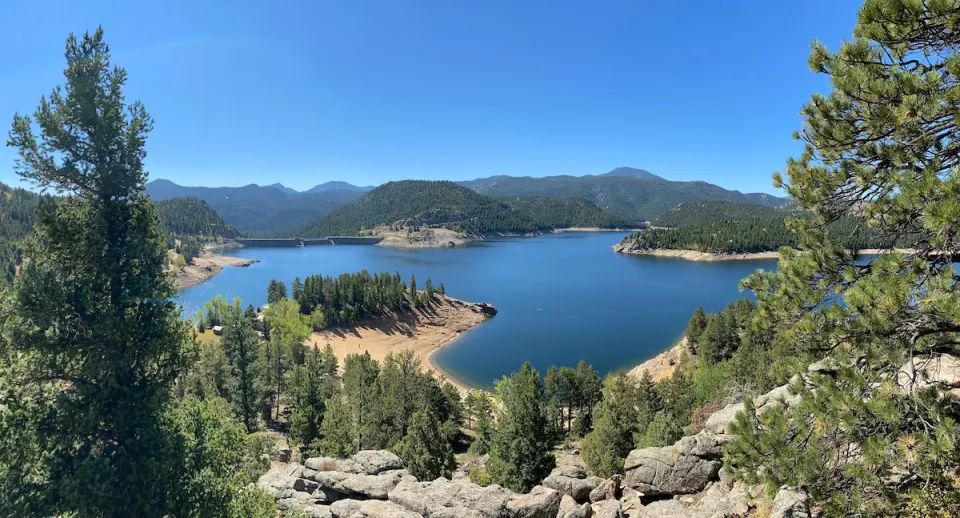
Judges permit Denver to divert 77,000 acre feet from the Colorado River for reservoir expansion
Overuse and climate change have caused the Colorado River’s water levels to plummet.

Amtrak, CN end decades-long dispute with eight-year agreement
The new operating agreement establishes an updated framework for the companies to work together, including processes to resolve disputes.

FREE Course: Walkable City 1: Why Walkability?
After describing his path towards focusing on walkability as the essence of good planning, Jeff Speck marches through his five principal reasons for making more walkable places.
Reinventing Malls: Planning Alchemy—Turning Gray Fields Into Gold
The course focuses on the opportunities and imperatives that shape reinvention of mall sites.

KFH Group Inc.
Greater Baltimore Committee
Eagle County Government
The Architects Foundation
University of Cincinnati Online
The Pocatello Development Authority
The Urban Renewal Agency of the City of Pocatello