Rustin Thompson's film, "The Last Picture Shows," presents the movie theater as a useful starting point for assessing which elements of urban tradition are worth retaining.



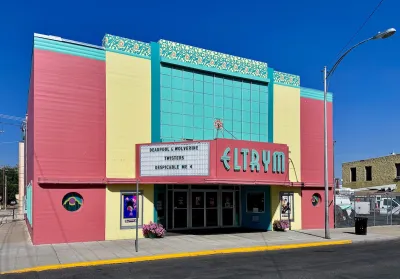
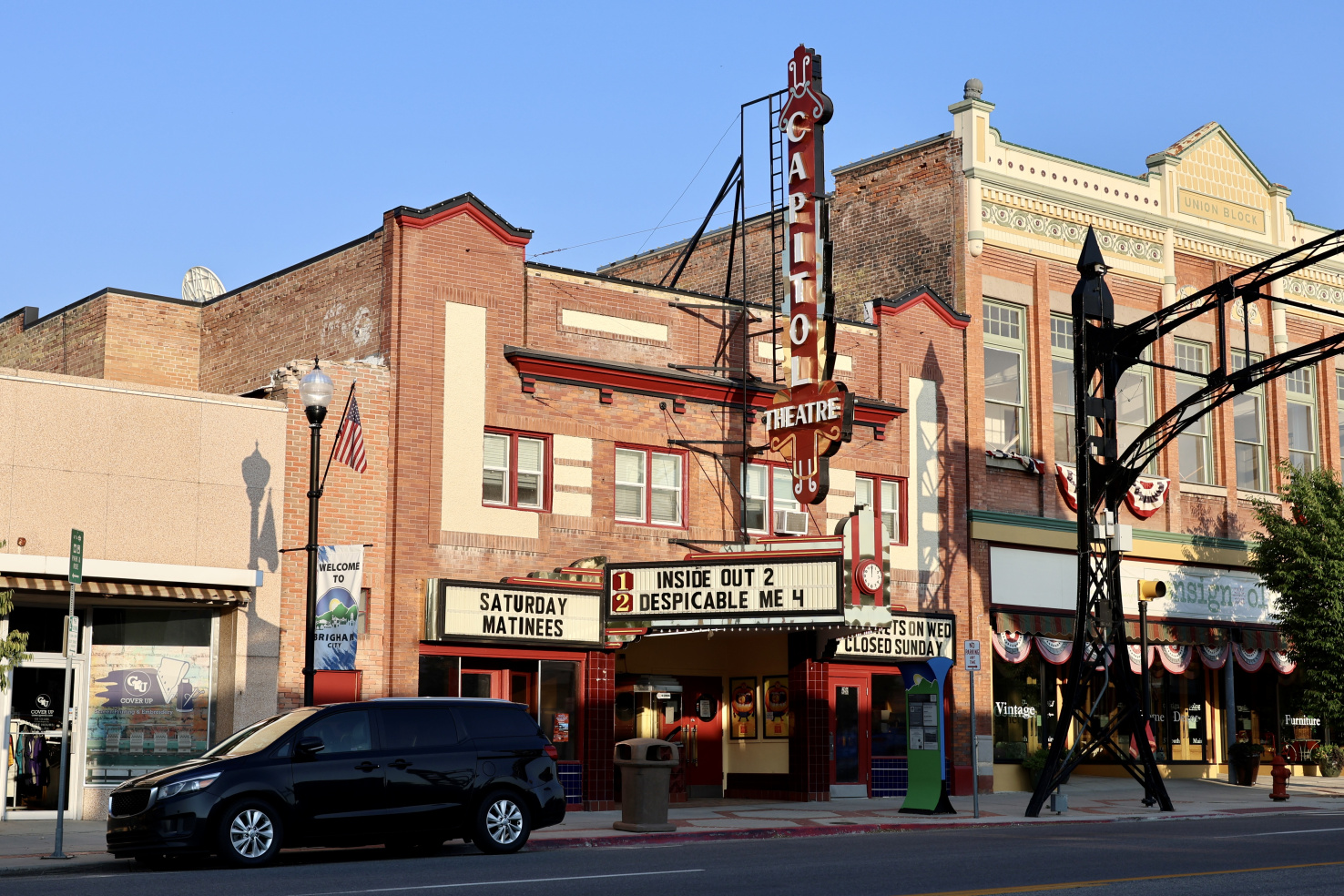
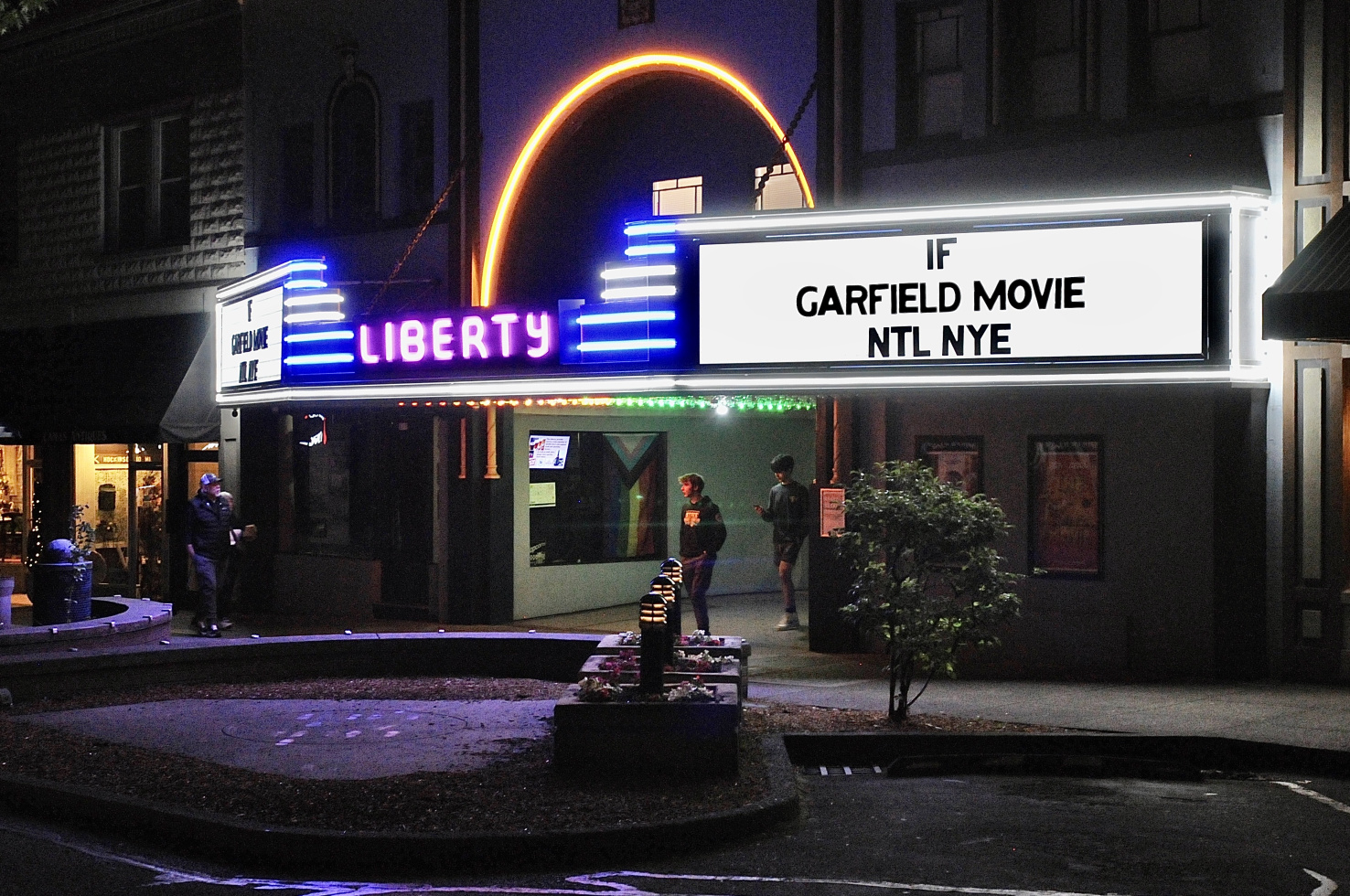
After returning from overseas in early 2022, I reclaimed the Western U.S. road trip tradition, especially after relocating to New Mexico. Photographing old downtown theaters became a favorite pastime in places like Brigham City, Utah; Ashland and Baker City, Oregon; Camas, Washington; and Las Vegas, New Mexico.
It turns out my efforts overlapped with a much more systematic undertaking by Seattle documentary filmmaker Rustin Thompson, who would allude to a movie about old theaters then in production as we traded comments on Facebook. At the time, I didn’t realize the breadth of Thompson’s effort — 10 states, 10,825 miles, and 123 theaters — which would become "The Last Picture Shows," an award-winning film that follows small-town movie theaters across the American West.
As the film’s website notes:
Filmmaker Rustin Thompson journeys into the American West on a search for traces of what was once a center of small-town life: the movie theater. On the trip, he finds long abandoned and forgotten cinemas; movie houses that have fallen into disrepair; theaters recently closed, theaters struggling to hold on, and theaters that — thanks to their thoughtful caretakers — are not only surviving but thriving.
Between the stops along the way, Rustin poetically intersperses excerpts from Peter Bogdanovich’s 1971 classic film The Last Picture Show, as well as reflections on past and present hardships facing the film exhibition industry. The Last Picture Shows is not only a timely portrait of an industry in crisis, one facing the headwinds of consolidation, streaming, and the diminishing theatrical experience, but it also reminds viewers that even in vast cinema deserts, there are oases of community and gathering that remain, where the movie house continues to be a place of wonder, contemplation, and connection.
I was thrilled to see his new documentary come to life: When the film recently played in Santa Fe for a week as part of its now-expansive national schedule, I was front and center for the second showing. As I watched, I also tried to synthesize Thompson’s work with my recent efforts to assess the ongoing roles of culture and character in today’s American landscape.
In "The Last Picture Shows," small-town theaters have two fates: some close for lack of film attendance and receipts, while others forge on because people find ways to keep them open. Watching the film brought me back to a question relevant to much of my work: When we say we want to preserve the “character” of a place, what elements are we hoping to keep? What should endure as circumstances change?
An operating theater puts those questions in understandable terms. Thompson’s cinematography presents the movie theater as a useful starting point for assessing which elements of urban tradition are worth retaining and how to keep them relevant in changing times.
We can inventory architectural features, photograph classic marquees and argue for their significance, but keeping an old theater open requires ongoing relevance through film choice, equipment maintenance, financial solvency and, perhaps most importantly, persuading people to pass through its doors.
The practical work of sustaining theaters can get lost in discussions of character. My fascination with preservation and development debates depends on looking beyond what a building looks like. Beyond the film’s visuals, Thompson’s many interviews remind us that a theater’s place in a town transcends appearance and architectural style; it comes down to what happens there on a Tuesday evening, whether the business remains viable and what strategies its owners have tried beyond mere restoration.
In more applied terms, the film leaves the viewer with a bittersweet takeaway. In the wake of deterrents — from suburban migrations to VCRs to streaming — many small city downtown theaters couldn’t maintain the habit of going there. That habit included knowing where to meet, walk, park and maybe eat before or after the film. These ordinary and traditional outings were part of how we knew our towns.
Whether or not intended as urbanist fodder, Thompson captures how place attachment accumulates through everyday experiences that, without some form of business adeptness or subsidy, are gradually lost to time.
Remembering a favorite cinema in a Western town is easy. But keeping one open for the next picture show is the thought project for any viewer after Thompson’s credits run.
Want to see "The Last Picture Shows?" Find screening information here.

122 ‘carbon major’ companies to blame for half of the West’s lost water
A first-of-its-kind study found that “carbon major” companies drained the west of trillions of gallons of water.
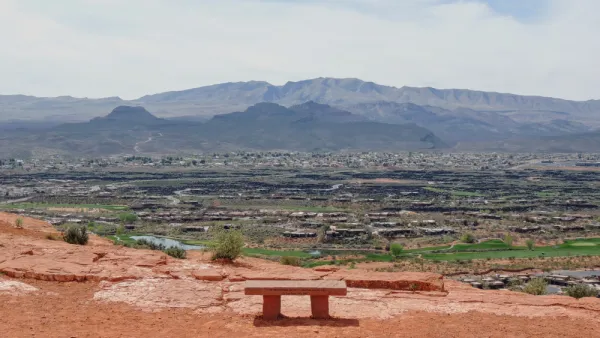
The Nation’s Fastest Growing Town Needs More Water
Cheap water flows freely to the golf courses of St. George, Utah, but all the new residents mean it’s going to have to increase supply or reduce demand—or both.
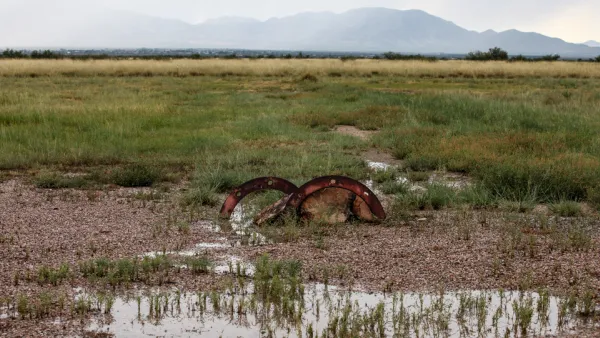
Why Would Arizona Deregulate Groundwater Now?
For decades the arid state has required most new construction projects to demonstrate adequate water supply, but at the edge of the next dry spell, two lawmakers are trying to get rid of the rules.

Planetizen Federal Action Tracker
A weekly monitor of how Trump’s orders and actions are impacting planners and planning in America.

California plans to bury El Niño’s downpour
If the state plays its cards right, it may be able to store a billion acre-feet of El Niño’s water in aquifers.

Chicago breaks ground on $3 billion megadevelopment
The new neighborhood, titled Foundry Park, will one day host 3,700 residences.

Desperate measures: Advocates weigh draining Lake Powell to fill Colorado River
Draining the reservoir could reduce evaporation losses by a couple hundred thousand acre-feet.

This road in NYC is infamously dangerous — and Mamdani can't fix it
New York City's Ocean Parkway is known for reckless driving, but the power to implement safety measures lies with the state rather than the city.

One of Denver’s busiest corridors to gain BRT
The project will span 18 miles and contain 74 bus rapid transit stations.

FREE Course: Walkable City 1: Why Walkability?
After describing his path towards focusing on walkability as the essence of good planning, Jeff Speck marches through his five principal reasons for making more walkable places.
Reinventing Malls: Planning Alchemy—Turning Gray Fields Into Gold
The course focuses on the opportunities and imperatives that shape reinvention of mall sites.

City of Rosemead
Rutgers University, Edward J. Bloustein School of Planning and Public Policy
One Hundred Miles
Hunter College, City University of New York (CUNY)
The Architects Foundation
University of Cincinnati Online
City of Cambridge
Montrose County
The Pocatello Development Authority

