The proposal also asks to reduce the public comment period for the BLM’s leasing decisions from 90 days to 10.


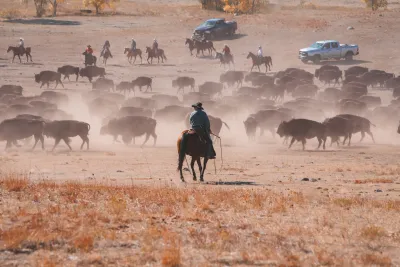
The Bureau of Land Management is looking to limit the input private landowners have over drilling under their property. Currently, if the BLM owns the mineral rights underneath private property, the bureau is required to notify the owners of proposed drilling and give the public 90 days to comment on any leasing of rights to outside companies. But a recent proposal would eliminate the landowner notification requirement and reduce public comment time to 10 days, reports County 17.
The BLM proposed the change on June 24 on the Federal Register and solicited public comments through Aug. 24. The rule would apply to oil and gas drilling, as well as drilling for other subterranean natural resources.
Some ranchers who own “split estates” — where ranchers own the grass, soil and buildings on their land and another party (like the BLM) owns the mineral rights —- are concerned about being unable to influence drilling operations, reports County 17. Joe Ratkin, a rancher in Wyoming, told the outlet that ditches from developers trying to build pipelines stranded his cattle during a blizzard, and abandoned oil wells have caused bovine health issues.
In a separate proposal, the BLM also proposed reducing the minimum bonds companies are required to pay if drilling is abandoned without environmental cleanup.
Read the full story: The BLM wants to stop notifying landowners about drilling under private land. Ranchers are alarmed
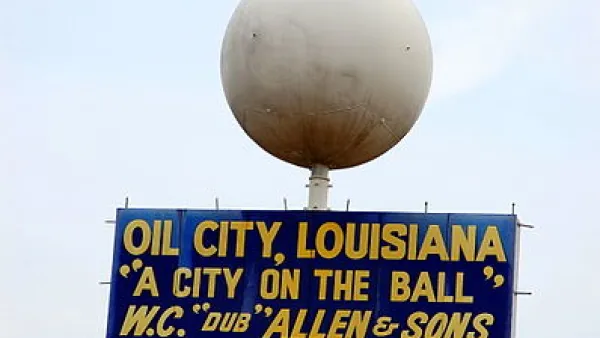
Friday Eye Candy: Photo Series Captures Abandoned Oil Wells
A photographer documents the 'orphan wells' strewn across northwest Louisiana in a stark reminder of our deep entanglement with fossil fuels.
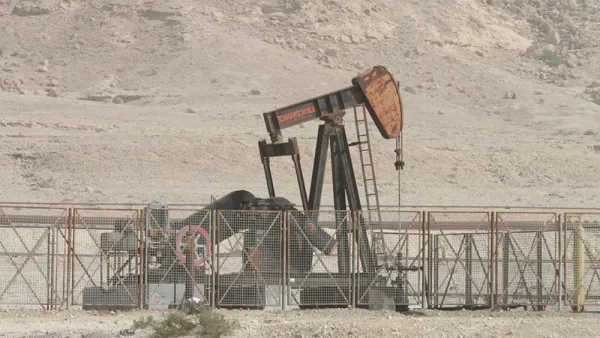
Interior Secretary Issues Order to Expedite Drilling on Public Lands
Secretary Zinke's order is part of the "energy dominance" agenda of the Trump Administration to make the U.S. a major energy exporter. The order will reduce the time needed by the Bureau of Land Management to process permitting for new wells.
Environmentalists Fight Feds Over Drilling in Utah's Treasured Public Lands
Utah's San Rafael Swell is the scene of an energy showdown between conservationists who want to preserve this unique landscape (potentially a national monument), private oil and gas companies that want to drill there, and the BLM that has to decide.

Planetizen Federal Action Tracker
A weekly monitor of how Trump’s orders and actions are impacting planners and planning in America.

Washington state to charge fee to drivers with fuel-efficient cars
Revenue from the fee will go towards supporting the state’s highways.

Trump to blast ‘hydrocarbon highway’ through ‘world’s longest art gallery’
Environmental and historic preservation groups are suing to stop the project.

MBTA Green Line project moved to next phrase of CIG program
The modernization effort will cost $4.08 billion.

22-mile pedestrian and bike path to encircle Atlanta by 2030
The project will also support affordable housing.

Army detonates nearly 5 tons of lead in Iowa
The detonation comes after days of delays and public outcry.

FREE Course: Walkable City 1: Why Walkability?
After describing his path towards focusing on walkability as the essence of good planning, Jeff Speck marches through his five principal reasons for making more walkable places.
Reinventing Malls: Planning Alchemy—Turning Gray Fields Into Gold
The course focuses on the opportunities and imperatives that shape reinvention of mall sites.

City of Charlotte
City of Rosemead
Rutgers University, Edward J. Bloustein School of Planning and Public Policy
University of Michigan School for Environment and Sustainability (SEAS)
Hunter College, City University of New York (CUNY)
The Architects Foundation
University District Partnership