US cities hosting World Cup games all have regulations on short-term rentals, but none have created new rules to limit speculation and displacement during the World Cup.


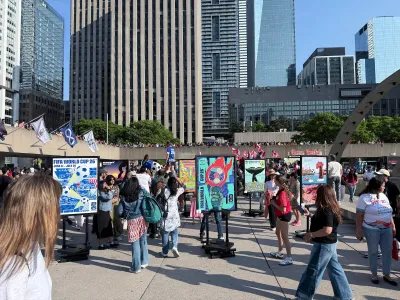
Short-term rental platforms like Airbnb invested millions in lobbying and infrastructure efforts ahead of the World Cup, urging local governments to loosen regulations to accommodate tourism during the event and offering bonuses to new hosts.
As Roshan Abraham explains in an article in Next City, all of the U.S. World Cup host cities have some kind of short-term rental regulations in place. But hosts report that demand is lower than expected, and housing advocates are concerned that any temporary relaxing of rules could set a bad precedent for future regulations.
While various proposals have been put forth in host cities, no cities have approved new regulations beyond their existing short-term rental rules to address World Cup visitors.
Read the full story: How World Cup Cities Are Dealing With Short-Term Rentals

Arizona Court Rejects Local Control Over Short-Term Rentals
A judge upheld a 2017 law that prohibits local jurisdictions from limiting Airbnbs and other short-term rentals.
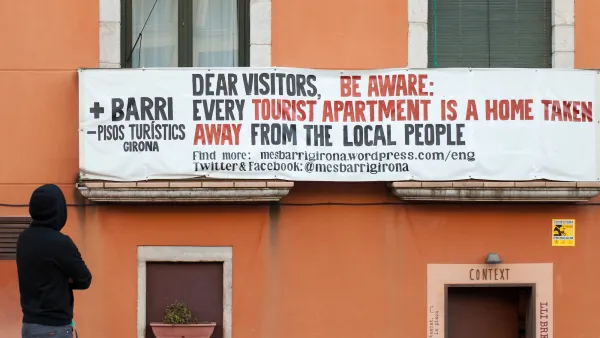
Spain Fines Airbnb $75 Million After Crackdown on Unlicensed Rentals
The government took action after residents in tourist centers protested, blaming tourist rentals for a growing housing crisis.
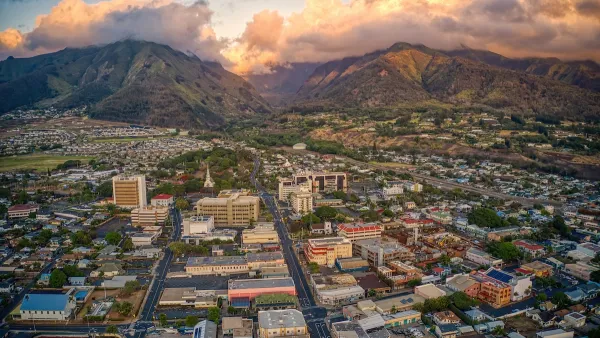
Maui's Vacation Rental Debate Turns Ugly
Verbal attacks, misinformation campaigns and fistfights plague a high-stakes debate to convert thousands of vacation rentals into long-term housing.

Planetizen Federal Action Tracker
A weekly monitor of how Trump’s orders and actions are impacting planners and planning in America.

California plans to bury El Niño’s downpour
If the state plays its cards right, it may be able to store a billion acre-feet of El Niño’s water in aquifers.

Chicago breaks ground on $3 billion megadevelopment
The new neighborhood, titled Foundry Park, will one day host 3,700 residences.

This road in NYC is infamously dangerous — and Mamdani can't fix it
New York City's Ocean Parkway is known for reckless driving, but the power to implement safety measures lies with the state rather than the city.

One of Denver’s busiest corridors to gain BRT
The project will span 18 miles and contain 74 bus rapid transit stations.

275,000 bus trips are at stake on Seattle's ballot
If passed, the Seattle Transit Measure would trigger a 0.3% sales tax and raise an average of $138 million per year to maintain and expand Seattle’s bus services.

FREE Course: Walkable City 1: Why Walkability?
After describing his path towards focusing on walkability as the essence of good planning, Jeff Speck marches through his five principal reasons for making more walkable places.
Reinventing Malls: Planning Alchemy—Turning Gray Fields Into Gold
The course focuses on the opportunities and imperatives that shape reinvention of mall sites.

City of Rosemead
Rutgers University, Edward J. Bloustein School of Planning and Public Policy
One Hundred Miles
Hunter College, City University of New York (CUNY)
The Architects Foundation
University of Cincinnati Online
City of Cambridge
Montrose County
The Pocatello Development Authority