In a perfect world, QUIMBY might get us a bit closer where we need to go. But, this YIMBY argues, not close enough.




Some months ago, I critiqued the idea of "QUIMBY" ("Quality" or "Quality Urbanism in My Back Yard") as an alternative to the pro-housing YIMBY ("Yes In My Back Yard") movement. I expressed concern about the subjectivity of "quality" and wrote that "quality" can easily be misinterpreted to justify the status quo: for example, arguments that "new buildings should be the same height as existing buildings."
Last month, Michael Mehaffy wrote an interesting response to my post; I think I agree with large parts of it. He agrees with me that "we in the U.S. do need more housing supply" and that "we have dysfunctional public involvement and regulatory processes."
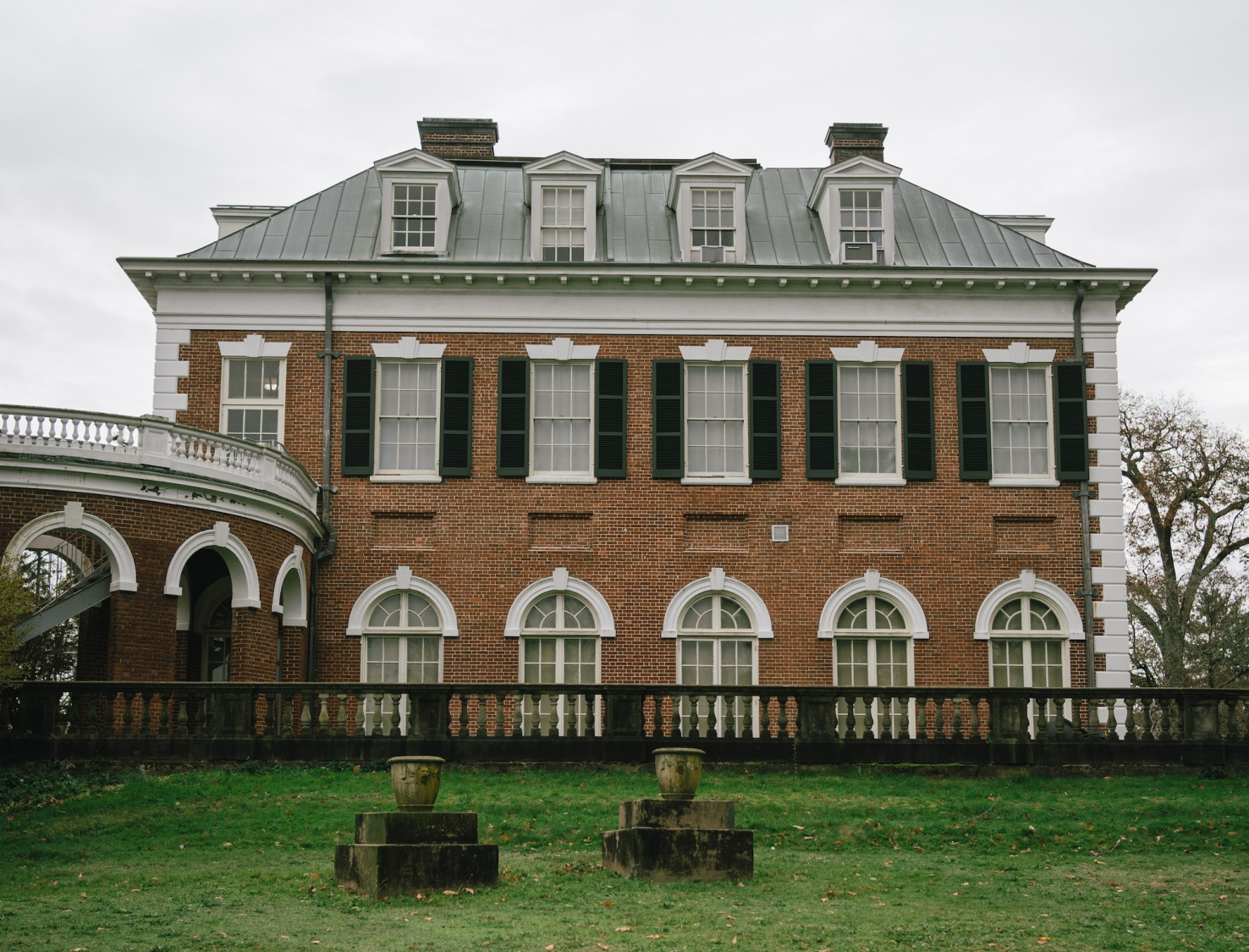
Mehaffy, however, emphasizes aesthetic considerations more than I usually do. He relies on a study that shows (in his words) that there is "remarkable divergence between architects and planners… and most citizens." The study found, for example, that there was almost "zero agreement" between the two groups as to what makes buildings "meaningful." (p. 144) The study’s panel of seventeen architects tended to believe that buildings with lots of metal cladding were meaningful, while its panel of forty-three laypeople focused on whether buildings were "more rounded, more ornamented, and included arches." (Id.) Similarly, laypersons were more likely to view buildings as "friendlier" when they had "more roundedness, more ornamentation, and more color variety." (Id. at 143). Generally, the architects’ evaluations were "significantly associated with variations in building material," (Id. at 145) while laypersons’ assessments were "correlated with building form (e.g. roundedness, ornamentation, and degree of articulation.") So if I understand this article correctly, laypeople like "rounded," highly ornamental buildings.
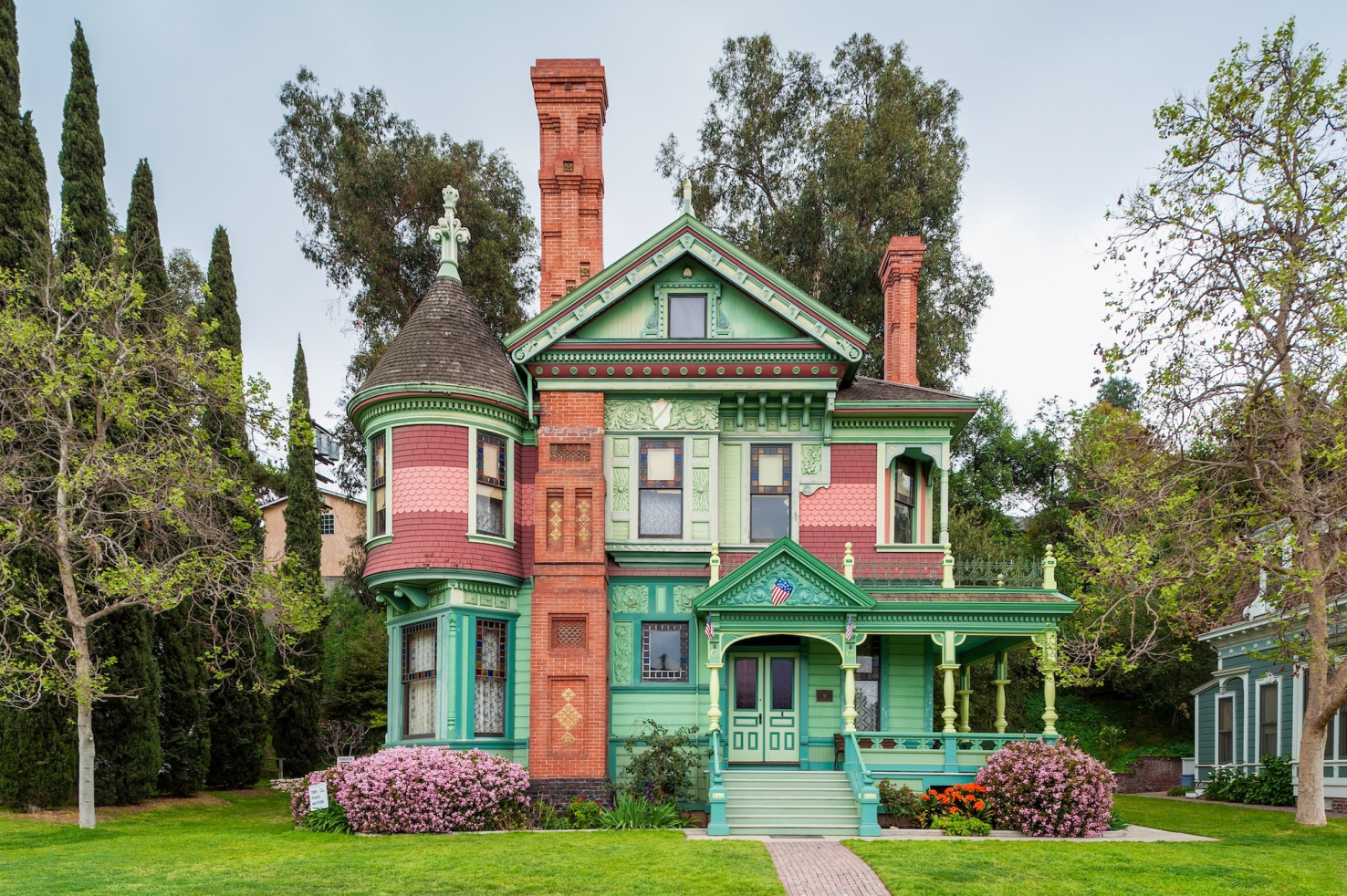
If zoning involved evaluation of buildings after the fact, I might be persuaded that these differences were relevant to a QUIMBY zoning policy. But in fact, zoning disputes are mostly about buildings that have not yet been built, so the people who support and oppose their construction have no idea how "rounded" or ornamented the buildings will be. Instead, people often argue about how many people will live in the building (e.g. that more people will lead to more traffic), how tall the buildings will be, or what class of people will live in the buildings. In other words, I don’t think that people who show up at zoning meetings think very much about the kind of issues that divide architects from ordinary citizens. If they have any aesthetic concerns at all, they are likely to be limited to variations of "this rezoning will make buildings taller" or "this rezoning will make buildings that look different from the status quo."
Of course, Mehaffy is aware of these issues: he writes that local residents oppose new development not just on aesthetic grounds, but also because of "traffic, parking, safety, and the catch-all, 'density.'" Rather, he suggests that with the right kind of process, neighborhood residents can be persuaded to swallow their qualms and embrace change. He favors a "QUIMBY methodology" which would show them "that the question is not whether the community will grow, but how.?
But under the current zoning system, neighborhood residents have the option of massively limiting growth. To take an extreme example: in Nassau County, Long Island near New York City, only about 16,000 housing units were built in the 2010s — half the number built in the 1970s, and about one-tenth the number built in the 1950s.
But perhaps Nassau County hasn’t had the right kind of leadership. The core of Mehaffy’s argument seems to be that really good planners can turn neighborhood residents into quasi-YIMBYs. He writes that in a small town in Washington, his firm developed a visual planning survey for residents. Based on the results of this survey, they developed a set of zoning reforms which were enacted by the city, thus making it "a small-town leader in allowing more units, smaller setbacks, reduced off-site parking mandates, and other innovations." Similarly, in another small town, his firm used a visual preference survey and used it to "form the outline specifications for an innovative new zoning code." Because the city’s reforms are only two years old, it is too early to tell how useful they will be.
So it seems like "QUIMBY" means "get planners who can find out what neighborhood residents like, who can persuade them that zoning reform will give them what they like, and who will create a zoning code that will enact their aesthetic preferences."
That approach seems like an improvement on the status quo — but also seems limited in two ways. First, it seems highly dependent on personnel: less gifted planners may not be as good at persuading neighborhood residents as Mehaffy is. Just as a good constitution is one that protects democracy even if today’s politicians are mediocre, a good zoning process is one that meets social needs even if planners are mediocre.
Second, I’m not sure that even with the best possible planners advising them, neighborhood residents will permit as much housing as they should. Let’s suppose that we could clone Mehaffy, send Clone Mehaffy throughout the nation and have him persuade every town and city to upzone by 2%. That would be much better than nothing — but it would still be far less than the U.S. of a few decades ago. In 1972, the U.S. produced about 27 million housing units, or .13 units per million residents. In 2025, it produced about 17 million, or about .05 per million residents. So to get the U.S. up to 1972 levels of housing production, we would have to increase housing production by about 150%.
If I understand QUIMBY, it basically means that enlightened planners will persuade people to allow a little more housing that is a little more attractive than most new housing. To draw an analogy from the Passover holiday, QUIMBY sounds like getting the Pharaoh of neighborhood opposition to be slightly kinder to his slaves — which, under today’s political system, may be the best we can hope for. But as a more radical YIMBY, I want to end the slavery entirely by eliminating the Pharaoh’s right to stop new housing.


The Trouble With QUIMBY
The idea of “quality urbanism in my back yard” has its uses, but should not be used to limit housing supply.

Survey: 59% of LA Residents Want Dense Housing in Their own Neighborhoods
A UCLA survey reveals strong support for new apartments across the city, bucking the notion that Angelenos are NIMBYs.
Less than 6% of California cities are building enough housing for very low-income households
Only five jurisdictions are on track to meet their housing goals for all income brackets.

The state-sanctioned urbicide of Austin
People don’t kill cities. Freeways do.

US to reduce Colorado River water deliveries to Mexico
A new Colorado Treaty amendment reduces Mexico’s Colorado River water allocation by 250,000 acre feet.

New Jersey’s second-largest city bans standalone data centers
Jersey City will continue to allow co-location facilities, such as those meant for research institutions that store their own data.

Amtrak not solely to blame for New Jersey commuter rail's unreliability, report finds
A new study from the Garden State Initiative found that NJ Transit’s budget grew 20% across a 4 year period, but reliability declined significantly over the same period.

EPA erases limits on planet-warming pollution from power plants
Under Monday’s plan, power plants would still have some limits on how much mercury, arsenic and other contaminants they can emit.

Phoenix announces new on-demand transit service, more frequent RAPID buses
Both new services will launch in October, and are part of Phoenix's Project Effective Access Solutions for Easing Congestion.

FREE Course: Walkable City 1: Why Walkability?
After describing his path towards focusing on walkability as the essence of good planning, Jeff Speck marches through his five principal reasons for making more walkable places.
Reinventing Malls: Planning Alchemy—Turning Gray Fields Into Gold
The course focuses on the opportunities and imperatives that shape reinvention of mall sites.

Eagle County Government
Harvard University Graduate School of Design
Nashville Planning Department
The Architects Foundation
University of Cincinnati Online
The Pocatello Development Authority
The Urban Renewal Agency of the City of Pocatello
Journal of the American Planning Association

