A city-backed program that cleans up blighted and vacant lots is creating new public spaces and reducing crime in surrounding communities.


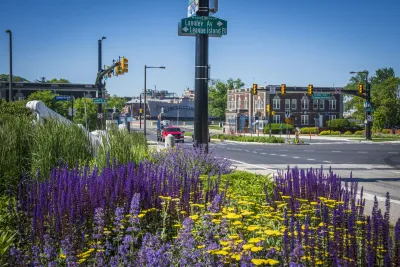
A Philadelphia green space program is yielding a surprising, positive side effect: reduced crime.
As Peter Yeung explains in Reasons to be Cheerful, the LandCare program, run by the Pennsylvania Horticultural Society (PHS) and funded by the city, transforms vacant lots into neighborhood-scale green spaces. "By cleaning up the lots, authorities are deterring illegal dumping and also creating community assets, particularly for Black communities that don’t typically have access to green space, and improving mental health." The program works with community organizations to identify target areas and coordinate regular cleaning and upkeep.
According to the article, "A study in 2018 found that there was a 29 percent reduction in gun violence and a 21 percent reduction in burglary in neighborhoods near LandCare lots, among other benefits. Separate research also found a 41.5 percent reduction in depression among residents living near the greened lots."
Roughly 60% of lots PHS works on are on public land and 40% are privately owned, so there are limits to how much the organization can do and how long they have access to the lot.
FULL STORY: Near Philadelphia’s New Green Spaces, a Dramatic Reduction in Crime

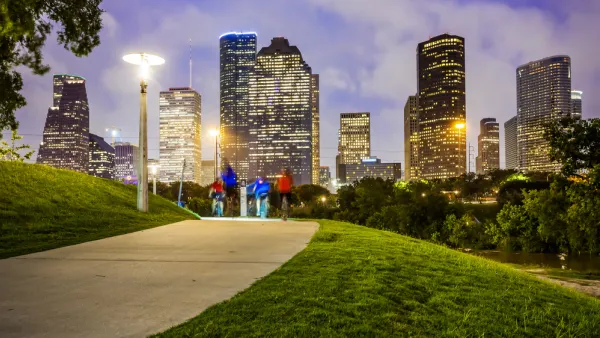
Houston Residents Want to Build Pocket Parks on City-Owned Lots
In a park-poor neighborhood, vacant lots provide an untapped opportunity for small-scale parks.
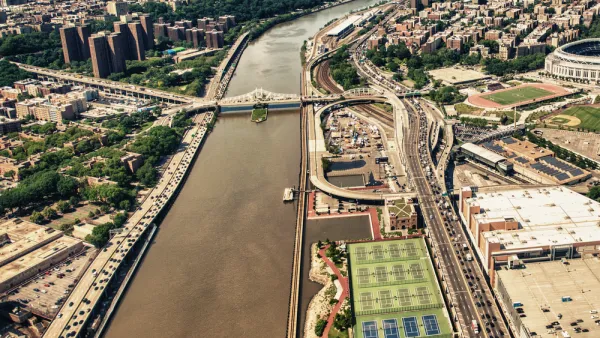
Preventing Crime, One Park at a Time
Deborah Marton, executive director of the New York Restoration Project, connects parks and open space to improved public safety.
Whither Vacant Buildings?
Officials in Fort Worth, Texas, are searching for ways to deal with buildings left vacant by businesses struggling during the recession. Other cities and the state of Texas are also addressing the issue.

Planetizen Federal Action Tracker
A weekly monitor of how Trump’s orders and actions are impacting planners and planning in America.

The state-sanctioned urbicide of Austin
People don’t kill cities. Freeways do.

US to reduce Colorado River water deliveries to Mexico
A new Colorado Treaty amendment reduces Mexico’s Colorado River water allocation by 250,000 acre feet.

5 New England states march closer to 800 megawatt wind energy project
Securing federal approval for the project may be complicated under the Trump administration, which has historically been hostile towards domestic wind power.

Baltimore to break ground on $50 million Transit Priority Project
The project will bring faster bus trips, safer streets and better bike connections to Baltimore.

Airbnb launches $250 million 'last-dollar financing' housing accelerator, makes first investment in Austin
The company will put $6.4 million towards affordable housing development in Texas’ capital.

FREE Course: Walkable City 1: Why Walkability?
After describing his path towards focusing on walkability as the essence of good planning, Jeff Speck marches through his five principal reasons for making more walkable places.
Reinventing Malls: Planning Alchemy—Turning Gray Fields Into Gold
The course focuses on the opportunities and imperatives that shape reinvention of mall sites.

Eagle County Government
Harvard University Graduate School of Design
Nashville Planning Department
The Architects Foundation
University of Cincinnati Online
The Pocatello Development Authority
The Urban Renewal Agency of the City of Pocatello
Journal of the American Planning Association