Nationwide, there are only 35 affordable and available homes for every 100 lowest-income renter families.


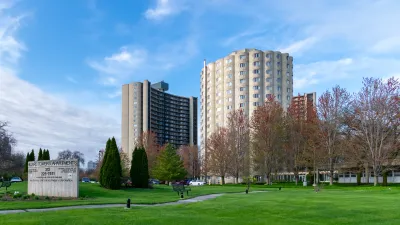
An annual report from the National Low Income Housing Coalition (NLIHC) reveals that every U.S. state has a shortage of rental housing for the lowest-income households. “Shortages of affordable and available homes for these renters range from 7,154 in South Dakota to nearly one million in California.”
The 2026 The Gap: A Shortage of Affordable Homes report found a national shortage of 7.2 million homes for the lowest-income renter households, with just 35 homes available for every 100 extremely low-income renter households. According to the report, 74 percent of extremely low-income renters spend over half their income on housing, and Black, Latino, and Indigenous households are disproportionately affected.
The report offers several recommendations, saying that “Congress must increase investments in deeply targeted rental subsidies, strengthen programs that preserve existing affordable housing, and fund emergency assistance programs to prevent evictions. State and local governments can also bolster affordable housing development by reforming zoning laws and reducing burdensome regulations.”
FULL STORY: No State has an Adequate Supply of Affordable and Available Rental Homes for the Lowest-Income Renters

Pennsylvania Housing Action Plan Calls for $1B Fund, Expanded Renter Protections, Homebuyer Assistance
Gov. Shapiro’s proposed plan would bolster support for renters and homebuyers and reduce barriers to housing development.
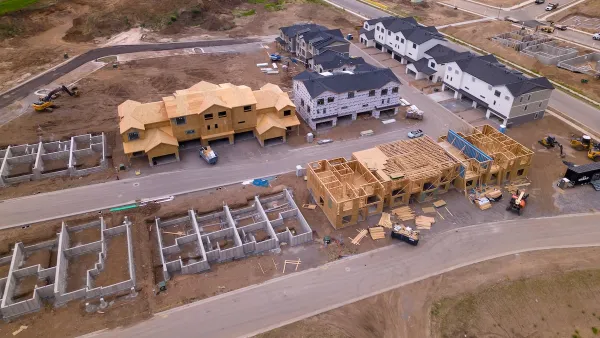
‘Montana Miracle:’ The State Actually Succeeding at Housing Reform
A series of ambitious zoning reforms is having a significant impact on the state’s housing supply.
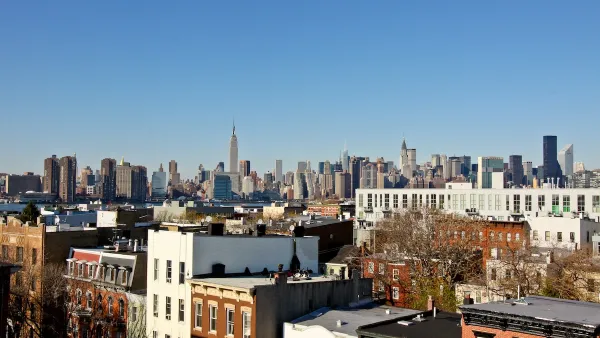
NYC Council Approves Brooklyn Rezoning Plan
The Atlantic Avenue Mixed Use Plan includes infrastructure investments and could bring 4,600 new housing units to parts of Brooklyn.

Planetizen Federal Action Tracker
A weekly monitor of how Trump’s orders and actions are impacting planners and planning in America.

The state-sanctioned urbicide of Austin
People don’t kill cities. Freeways do.

US to reduce Colorado River water deliveries to Mexico
A new Colorado Treaty amendment reduces Mexico’s Colorado River water allocation by 250,000 acre feet.

Mamdani overhauls NYC's Vision Zero plan with 100 new policy goals
The overhaul aims to reduce traffic deaths and make streets safer for pedestrians, cyclists and drivers through lower speed limits, new safety infrastructure and more.

Amtrak not solely to blame for New Jersey commuter rail's unreliability, report finds
A new study from the Garden State Initiative found that NJ Transit’s budget grew 20% across a 4 year period, but reliability declined significantly over the same period.

EPA erases limits on planet-warming pollution from power plants
Under Monday’s plan, power plants would still have some limits on how much mercury, arsenic and other contaminants they can emit.

FREE Course: Walkable City 1: Why Walkability?
After describing his path towards focusing on walkability as the essence of good planning, Jeff Speck marches through his five principal reasons for making more walkable places.
Reinventing Malls: Planning Alchemy—Turning Gray Fields Into Gold
The course focuses on the opportunities and imperatives that shape reinvention of mall sites.

Eagle County Government
Harvard University Graduate School of Design
Nashville Planning Department
The Architects Foundation
University of Cincinnati Online
The Pocatello Development Authority
The Urban Renewal Agency of the City of Pocatello
Journal of the American Planning Association