A 5 percent tax on the highest-paying jobs has brought in twice as much new revenue for social housing as originally predicted.


A tax on high-earning jobs in Seattle is bringing in far more revenue for social housing than expected, reports Erica C. Barnett in PubliCola. The tax will bring in an estimated $115 million in its first year, roughly twice the original estimate.
Seattle’s Social Housing Developer is funded via a 5 percent tax paid by employers on any compensation over $1 million per employee. “Tiffany McCoy, the interim director of the social housing developer, said that because of the funding, ‘hundreds of people this year will benefit from housing that remains permanently affordable, housing that is publicly owned and passed down through generations, housing that works for people that are a variety of income levels and helps prevent them from falling into homelessness.’”
FULL STORY: Tax For Social Housing Brought In Twice the Original Estimate, Mirroring Early JumpStart Results


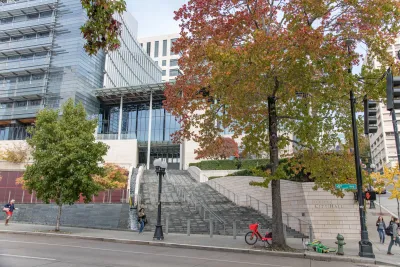
Seattle social housing agency can now issue bonds
The new Seattle Social Housing Developer funds affordable housing through a tax on the city's highest-paying companies.
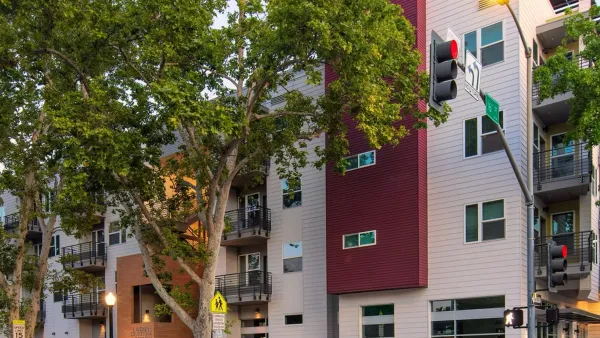
New Washington State Law Lets Cities Give Social Housing Developers City-owned Land
In its current form, HB 1687, which authorizes local governments to assist social housing agencies with land or other resources, only applies to Seattle.
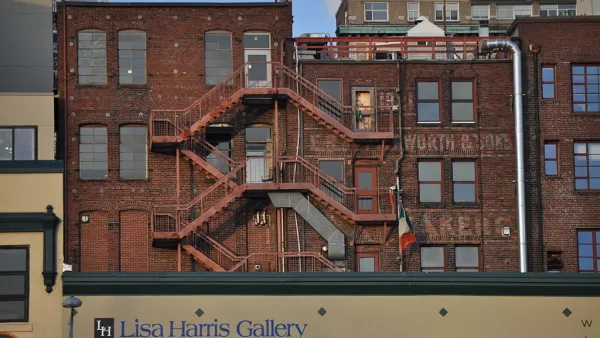
The Need for Social Housing in Seattle
Seattle trails international peer cities in its social housing stock, but there are steps city leaders can take to produce more units and increase affordability.

The state-sanctioned urbicide of Austin
People don’t kill cities. Freeways do.

US to reduce Colorado River water deliveries to Mexico
A new Colorado Treaty amendment reduces Mexico’s Colorado River water allocation by 250,000 acre feet.

New Jersey’s second-largest city bans standalone data centers
Jersey City will continue to allow co-location facilities, such as those meant for research institutions that store their own data.

Amtrak not solely to blame for New Jersey commuter rail's unreliability, report finds
A new study from the Garden State Initiative found that NJ Transit’s budget grew 20% across a 4 year period, but reliability declined significantly over the same period.

EPA erases limits on planet-warming pollution from power plants
Under Monday’s plan, power plants would still have some limits on how much mercury, arsenic and other contaminants they can emit.

Phoenix announces new on-demand transit service, more frequent RAPID buses
Both new services will launch in October, and are part of Phoenix's Project Effective Access Solutions for Easing Congestion.

FREE Course: Walkable City 1: Why Walkability?
After describing his path towards focusing on walkability as the essence of good planning, Jeff Speck marches through his five principal reasons for making more walkable places.
Reinventing Malls: Planning Alchemy—Turning Gray Fields Into Gold
The course focuses on the opportunities and imperatives that shape reinvention of mall sites.

Eagle County Government
Harvard University Graduate School of Design
Nashville Planning Department
The Architects Foundation
University of Cincinnati Online
The Pocatello Development Authority
The Urban Renewal Agency of the City of Pocatello
Journal of the American Planning Association