The law would legalize ‘granny flats’ by-right in single-family zoned neighborhoods.



The Florida Senate approved a bill that would allow accessory dwelling units in single-family neighborhoods, reports Blake Devine for Fox 13 Tampa Bay. “Supporters say the measure could help address Florida’s affordable housing shortage by creating smaller, lower-cost rental options.” The bill still requires passage by the state House before it heads to the governor’s desk. The “granny Flat Bill,” SB 48, won unanimous approval in the State Senate. If approved in the House, it could take effect as early as July 1.
According to an article in The Dayton Beach News-Journal, “The new law would require counties and municipalities to adopt an ordinance by Dec. 1, 2026, to allow ADUs without requiring a public hearing; a variance, conditional use permit, or special exception; or other discretionary action other than a determination that a site plan conforms with applicable zoning regulations, in any area zoned for single-family residential use.” Local governments would only be allowed to prohibit the rental of ADUs for periods of under one month.
FULL STORY: Florida ‘Granny Flat’ bill could expand backyard housing in Tampa Bay area

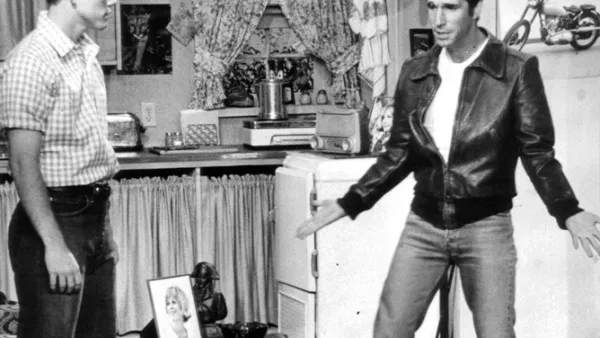
What do the Gilmore Girls, Happy Days, and Full House have in common? ADUs.
American sitcoms are full of garage apartments, attic rooms, and pool houses. Why aren't our cities?
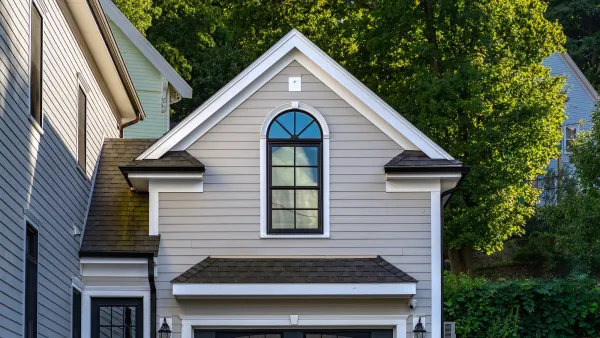
Massachusetts Zoning Reform Sparks ADU Surge
A 2024 law and a 2025 assistance program have spurred a flurry of ADU projects across the state.

Maine Forces Cities to Allow at Least 2 ADUs on Residential Lots
A new state law bars local jurisdictions from restricting ADUs in residential areas.

Planetizen Federal Action Tracker
A weekly monitor of how Trump’s orders and actions are impacting planners and planning in America.

The state-sanctioned urbicide of Austin
People don’t kill cities. Freeways do.

US to reduce Colorado River water deliveries to Mexico
A new Colorado Treaty amendment reduces Mexico’s Colorado River water allocation by 250,000 acre feet.

5 New England states march closer to 800 megawatt wind energy project
Securing federal approval for the project may be complicated under the Trump administration, which has historically been hostile towards domestic wind power.

Baltimore to break ground on $50 million Transit Priority Project
The project will bring faster bus trips, safer streets and better bike connections to Baltimore.

Airbnb launches $250 million 'last-dollar financing' housing accelerator, makes first investment in Austin
The company will put $6.4 million towards affordable housing development in Texas’ capital.

FREE Course: Walkable City 1: Why Walkability?
After describing his path towards focusing on walkability as the essence of good planning, Jeff Speck marches through his five principal reasons for making more walkable places.
Reinventing Malls: Planning Alchemy—Turning Gray Fields Into Gold
The course focuses on the opportunities and imperatives that shape reinvention of mall sites.

Eagle County Government
Harvard University Graduate School of Design
Nashville Planning Department
The Architects Foundation
University of Cincinnati Online
The Pocatello Development Authority
The Urban Renewal Agency of the City of Pocatello
Journal of the American Planning Association