The near-unanimous vote allows commercial uses in residential areas in nearly every Washington neighborhood.


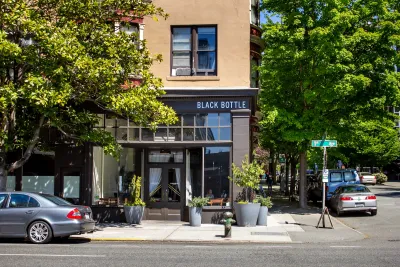
Washington neighborhoods may soon be flooded with cozy cafes, neighborhood markets and corner stores thanks to a nearly unanimous bill passed by the Washington House on Thursday. In a 94-2 vote, the House approved Bill 1175, legalizing neighborhood cafes and corner stores on residential lots throughout the state. Cities and towns in major urban areas with fewer than 5,000 residents are exempt from the legislation.
The Urbanist reports:
While targeted at fostering cafes and bodegas, House Bill 1175, sponsored by Representative Mark Klicker (R-16th LD, Walla Walla), requires most cities and towns in Washington to allow a fairly broad set of commercial uses in residential areas. A cafe is defined as an establishment with at least 500 square feet of gross floor area that must serve food along with any alcoholic beverages, and the goods a “neighborhood store” sells are “not limited to” food, beverages, and household items.
Klicker deemed the move a boon for both walkability and community cohesion.
According the The Urbanist, cities have the ability to regulate the establishments, regulating square footage, requiring parking (as long as the “regulations are not infeasible”) and limiting operation hours — as long as businesses are able to be open for at least 12 hours consecutively.
Read The Urbanist’s full report below.
FULL STORY: Washington House Approves Neighborhood Cafe Bill in Early Floor Vote

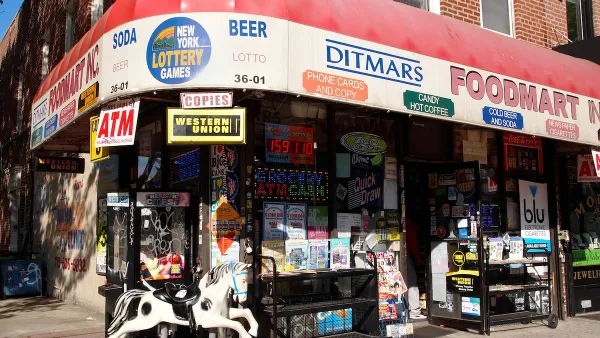
Bring Back the Corner Store
‘Accessory commercial units’ were once common across U.S. towns and cities. Now, zoning regulations make them illegal in many places.
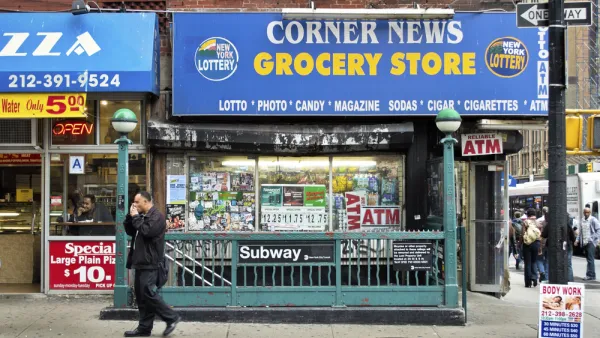
Healthy Corner Stores Fight 'Retail Redlining'
Small entrepreneurs are working to combat 'food deserts' by bringing fresh, healthy foods to communities lacking access to major grocery stores. But price continues to be a major factor in people's food choices.
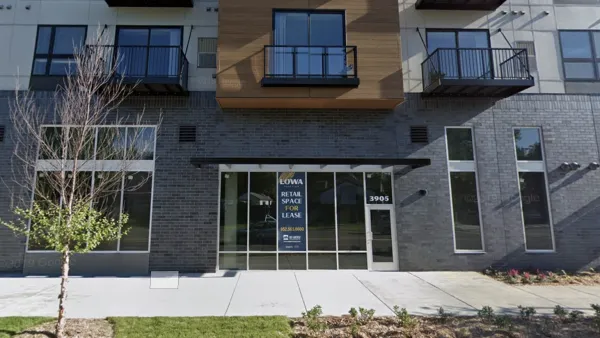
Developers Want to Skip Ground-Floor Retail Requirements
Minneapolis developers are agitating against the requirements of mixed-use zoning, saying that it's impossible to find a good tenant for ground floor retail these days.

The state-sanctioned urbicide of Austin
People don’t kill cities. Freeways do.

US to reduce Colorado River water deliveries to Mexico
A new Colorado Treaty amendment reduces Mexico’s Colorado River water allocation by 250,000 acre feet.

New Jersey’s second-largest city bans standalone data centers
Jersey City will continue to allow co-location facilities, such as those meant for research institutions that store their own data.

Amtrak not solely to blame for New Jersey commuter rail's unreliability, report finds
A new study from the Garden State Initiative found that NJ Transit’s budget grew 20% across a 4 year period, but reliability declined significantly over the same period.

EPA erases limits on planet-warming pollution from power plants
Under Monday’s plan, power plants would still have some limits on how much mercury, arsenic and other contaminants they can emit.

Phoenix announces new on-demand transit service, more frequent RAPID buses
Both new services will launch in October, and are part of Phoenix's Project Effective Access Solutions for Easing Congestion.

FREE Course: Walkable City 1: Why Walkability?
After describing his path towards focusing on walkability as the essence of good planning, Jeff Speck marches through his five principal reasons for making more walkable places.
Reinventing Malls: Planning Alchemy—Turning Gray Fields Into Gold
The course focuses on the opportunities and imperatives that shape reinvention of mall sites.

Eagle County Government
Harvard University Graduate School of Design
Nashville Planning Department
The Architects Foundation
University of Cincinnati Online
The Pocatello Development Authority
The Urban Renewal Agency of the City of Pocatello
Journal of the American Planning Association