For the first time, Washington’s attorney general has enforced the state’s new cap on rent hikes, fining eight landlords $2,000 each for violating the law.


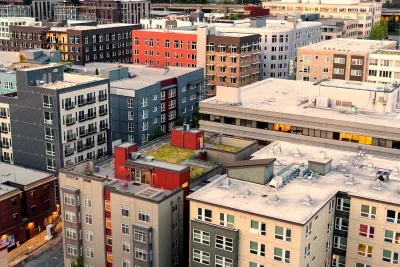
This story by Jake Goldstein-Street was originally published in Washington State Standard. It has been shortened.
House Bill 1217 took effect in early May. The landlords told tenants before that time about rent increases that would exceed the new maximums. But these increases were tied to leases that renewed after the law took effect, according to the attorney general’s office. For example, one rent increase for a tenant in Lakewood would have begun June 22.
In each case, the attorney general notified the landlords that their rent hikes were illegal. All the landlords rescinded them and refunded any payments tenants made under the unlawful increases, according to court filings.
Six of the landlords did not immediately reply to requests for comment Wednesday afternoon. One declined to comment.
The enforcement actions by the attorney general’s office cover over 250 renters.
The maximum increase for most rentals for the rest of this year is 10% under Washington’s new law, while manufactured homes are capped at 5%. Each year, the limit for residential tenancies is set at 7% plus inflation, or 10%, whichever is lower.
Next year, the limit will be 9.683%, the state Department of Commerce determined last month.
The cap doesn’t apply to all homes. For example, new construction is not covered for its first 12 years. Public housing authorities, low-income developments, and duplexes, triplexes and fourplexes in which the owner lives in one of the units are also exempt.
If a landlord raises rent above the caps without an exemption, the renter must give the landlord a chance to fix the error or can terminate their lease with 20 days’ notice. The attorney general can recover up to $7,500 per violation.
FULL STORY: Landlords fined for first time under WA’s new law capping rent increases


Los Angeles Ordinance Will Ban Tenant Harassment
The law targets "knowing and willful" actions on the part of landlords meant to drive tenants out of rent-controlled apartments.
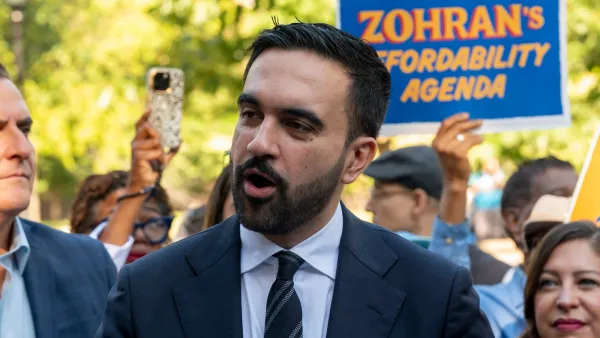
NYC landlords sue Mamdani administration over rent freeze
The suit charges the administration with unfairly promoting the rent freeze and accuses the city's Rent Guidelines Board of yielding to pressure from the mayor.
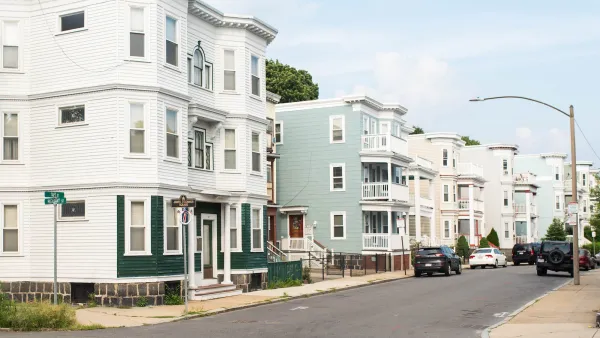
32 years after it was banned, could Massachusetts get rent control back?
In Massachusetts, the collection of more than 124,000 signatures makes it likely that a statewide rent control measure will be on the ballot in November.

Planetizen Federal Action Tracker
A weekly monitor of how Trump’s orders and actions are impacting planners and planning in America.

The state-sanctioned urbicide of Austin
People don’t kill cities. Freeways do.

US to reduce Colorado River water deliveries to Mexico
A new Colorado Treaty amendment reduces Mexico’s Colorado River water allocation by 250,000 acre feet.

5 New England states march closer to 800 megawatt wind energy project
Securing federal approval for the project may be complicated under the Trump administration, which has historically been hostile towards domestic wind power.

Baltimore to break ground on $50 million Transit Priority Project
The project will bring faster bus trips, safer streets and better bike connections to Baltimore.

Airbnb launches $250 million 'last-dollar financing' housing accelerator, makes first investment in Austin
The company will put $6.4 million towards affordable housing development in Texas’ capital.

FREE Course: Walkable City 1: Why Walkability?
After describing his path towards focusing on walkability as the essence of good planning, Jeff Speck marches through his five principal reasons for making more walkable places.
Reinventing Malls: Planning Alchemy—Turning Gray Fields Into Gold
The course focuses on the opportunities and imperatives that shape reinvention of mall sites.

Eagle County Government
Harvard University Graduate School of Design
Nashville Planning Department
The Architects Foundation
University of Cincinnati Online
The Pocatello Development Authority
The Urban Renewal Agency of the City of Pocatello
Journal of the American Planning Association