In Massachusetts, the collection of more than 124,000 signatures makes it likely that a statewide rent control measure will be on the ballot in November.


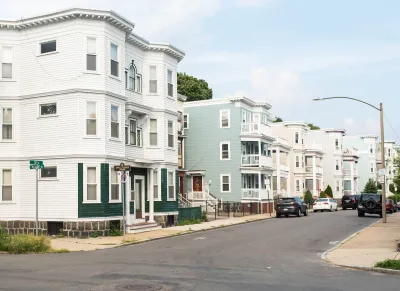
Massachusetts voters may soon decide whether to bring rent control back for the first time in more than three decades, according to a Shelterforce article. After collecting more than 124,000 signatures, housing advocates have likely secured a spot on the November ballot for a measure that would cap annual rent increases while exempting small owner-occupied properties and new construction for a limited period.
Massachusetts tenant organizers won the right for cities to enact rent control in 1970, but that right was repealed by the state legislature in 1994 by a narrow margin of 51% to 49%. By 1998, average rents on previously rent-controlled units had risen by 54%.
The proposal comes amid rapidly rising rents, growing tenant organizing and a broader debate over whether and how rent stabilization can complement housing production strategies. The proposal would limit annual rent increases to 5% or the rate of inflation, whichever is lower, with exemptions for small owner-occupied buildings and buildings under 10 years old.
FULL STORY: Could Massachusetts Get Rent Control Back After a 32-Year Ban?


Washington State May Cap Rent Increases at 7 Percent
House Bill 1217 was passed by the House and will move next to the state Senate.
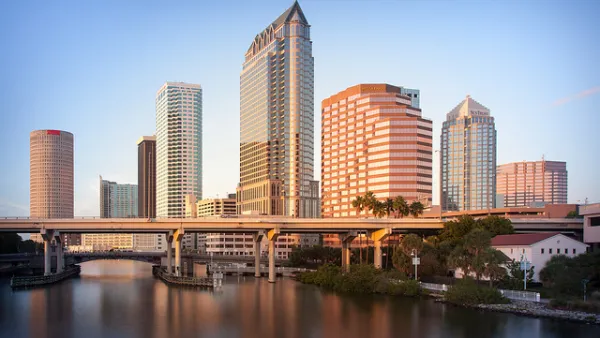
Tampa Rejects Rent Control, Citing Legal Concerns
The city council failed to move on a proposal that would have implemented rent stabilization, opting instead to explore other avenues for preventing evictions and improving the cost of housing.

Landlords Fined for First Time Under WA’s New Law Capping Rent Increases
For the first time, Washington’s attorney general has enforced the state’s new cap on rent hikes, fining eight landlords $2,000 each for violating the law.

Planetizen Federal Action Tracker
A weekly monitor of how Trump’s orders and actions are impacting planners and planning in America.

The state-sanctioned urbicide of Austin
People don’t kill cities. Freeways do.

US to reduce Colorado River water deliveries to Mexico
A new Colorado Treaty amendment reduces Mexico’s Colorado River water allocation by 250,000 acre feet.

5 New England states march closer to 800 megawatt wind energy project
Securing federal approval for the project may be complicated under the Trump administration, which has historically been hostile towards domestic wind power.

Baltimore to break ground on $50 million Transit Priority Project
The project will bring faster bus trips, safer streets and better bike connections to Baltimore.

Airbnb launches $250 million 'last-dollar financing' housing accelerator, makes first investment in Austin
The company will put $6.4 million towards affordable housing development in Texas’ capital.

FREE Course: Walkable City 1: Why Walkability?
After describing his path towards focusing on walkability as the essence of good planning, Jeff Speck marches through his five principal reasons for making more walkable places.
Reinventing Malls: Planning Alchemy—Turning Gray Fields Into Gold
The course focuses on the opportunities and imperatives that shape reinvention of mall sites.

Eagle County Government
Harvard University Graduate School of Design
Nashville Planning Department
The Architects Foundation
University of Cincinnati Online
The Pocatello Development Authority
The Urban Renewal Agency of the City of Pocatello
Journal of the American Planning Association