High housing costs are squeezing a record number of American households.



Roughly half of all American renters spend more than a third of their income on housing costs, according to data from the U.S. Census, with costs rising sharply since 2021. According to the National Low Income Housing Coalition, “the amount of housing that low-income renters can afford declined nationwide from 2019 to 2022, and that the trend has the biggest impact on extremely low-income Americans—a majority of whom live with disabilities, are caretakers for someone else, or are older adults.”
An article in the Lexington Herald Leader outlines how Kentucky compares to the rest of the country. “In Kentucky, where more than 579.1 thousand people rent their homes, 40.4% are considered rent-burdened, while 20.6% of renters are severely rent burdened.”
High rents not only make it difficult for renters to afford other household needs — they also trap renters in a cycle of tenancy by preventing them from saving for homeownership. And affordable housing is becoming less available for low-income renters, putting many at risk for eviction and homelessness.

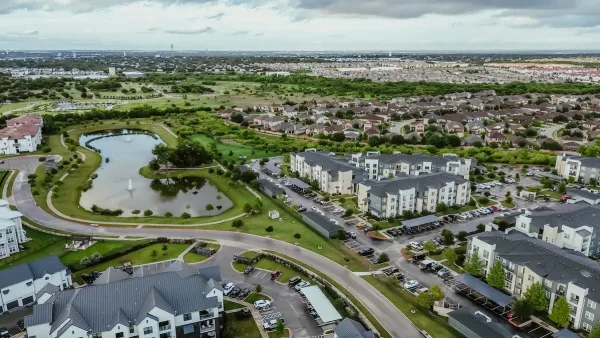
Rents Rose Between December and January
After dropping to a three-year low, U.S. rent costs grew in many major cities.
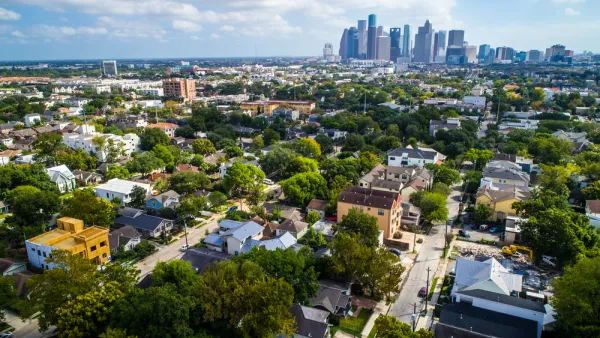
Report: More Than Half of Harris County Households Cost-Burdened
Using a measurement that takes into account more factors in addition to housing costs, a new report from the Kinder Institute for Urban Research sheds light on the true crisis facing Houston-area renters.
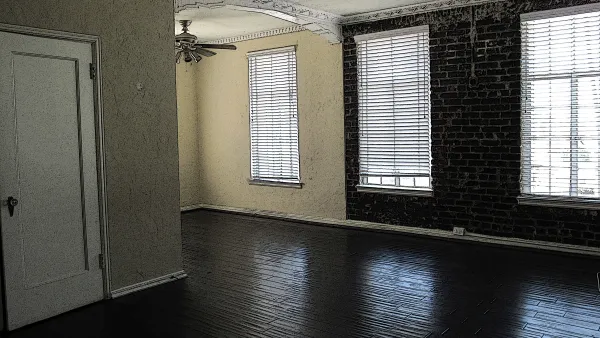
Spiking Rents Putting More People at Risk of Eviction
Housing costs across the country are becoming more and more unaffordable for low- and moderate-income households, a trend that began even before the COVID-19 pandemic.

Planetizen Federal Action Tracker
A weekly monitor of how Trump’s orders and actions are impacting planners and planning in America.

The state-sanctioned urbicide of Austin
People don’t kill cities. Freeways do.

US to reduce Colorado River water deliveries to Mexico
A new Colorado Treaty amendment reduces Mexico’s Colorado River water allocation by 250,000 acre feet.

5 New England states march closer to 800 megawatt wind energy project
Securing federal approval for the project may be complicated under the Trump administration, which has historically been hostile towards domestic wind power.

Baltimore to break ground on $50 million Transit Priority Project
The project will bring faster bus trips, safer streets and better bike connections to Baltimore.

Airbnb launches $250 million 'last-dollar financing' housing accelerator, makes first investment in Austin
The company will put $6.4 million towards affordable housing development in Texas’ capital.

FREE Course: Walkable City 1: Why Walkability?
After describing his path towards focusing on walkability as the essence of good planning, Jeff Speck marches through his five principal reasons for making more walkable places.
Reinventing Malls: Planning Alchemy—Turning Gray Fields Into Gold
The course focuses on the opportunities and imperatives that shape reinvention of mall sites.

Eagle County Government
Harvard University Graduate School of Design
Nashville Planning Department
The Architects Foundation
University of Cincinnati Online
The Pocatello Development Authority
The Urban Renewal Agency of the City of Pocatello
Journal of the American Planning Association