The gap between market-rate and affordable rents is much wider in some U.S. cities than others.


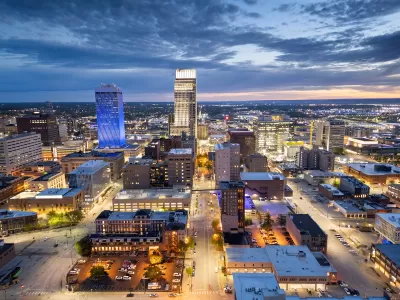
An analysis from Yardi Matrix highlights which U.S. cities are successfully meeting the demand for affordable housing — and which are falling behind. “The analysis compared the maximum allowable rent for fully affordable units with the average advertised rent for market-rate apartments, breaking the data into four levels of apartment quality,” explains Candyd Mendoza in MPA Mag.
“One of the key challenges identified is the gap between market-rate and affordable housing in many of the country’s largest metropolitan areas, including cities like Chicago, San Francisco, Los Angeles, Boston, Miami, and Northern New Jersey.” San Francisco’s average market-rate rent is more than $1,000 higher than the average rent for affordable housing. However, smaller markets like Wichita, Kansas, Huntsville, Alabama, and Omaha, Nebraska have market-rate rents on par with affordable units.
According to the study, challenges to affordability include supply growth limitations and the composition of housing stock in different markets. “The study noted that 69,600 new affordable units are expected to be delivered in 2024, with a peak of 70,500 units projected for 2025. But after that, a potential slowdown in new inventory after 2025 could intensify the current shortage.”
FULL STORY: Which US cities are best at producing affordable housing?

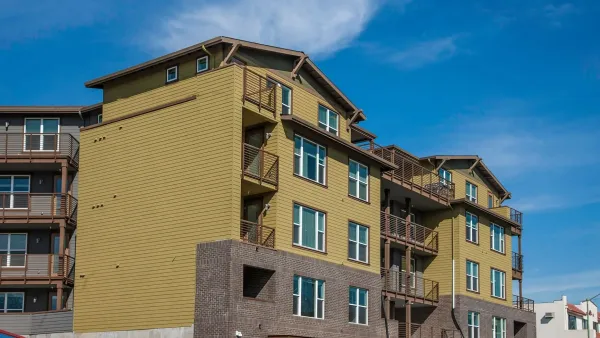
Oakland opens first affordable housing for teachers
The school district says 70% of its teachers can't afford to live in Oakland.

Report: Dallas Has Just 6 Affordable Homes for Every 10 Middle-income Households
The city’s affordable housing stock is rapidly disappearing.

Pennsylvania Housing Action Plan Calls for $1B Fund, Expanded Renter Protections, Homebuyer Assistance
Gov. Shapiro’s proposed plan would bolster support for renters and homebuyers and reduce barriers to housing development.

The state-sanctioned urbicide of Austin
People don’t kill cities. Freeways do.

US to reduce Colorado River water deliveries to Mexico
A new Colorado Treaty amendment reduces Mexico’s Colorado River water allocation by 250,000 acre feet.

New Jersey’s second-largest city bans standalone data centers
Jersey City will continue to allow co-location facilities, such as those meant for research institutions that store their own data.

Amtrak not solely to blame for New Jersey commuter rail's unreliability, report finds
A new study from the Garden State Initiative found that NJ Transit’s budget grew 20% across a 4 year period, but reliability declined significantly over the same period.

EPA erases limits on planet-warming pollution from power plants
Under Monday’s plan, power plants would still have some limits on how much mercury, arsenic and other contaminants they can emit.

Phoenix announces new on-demand transit service, more frequent RAPID buses
Both new services will launch in October, and are part of Phoenix's Project Effective Access Solutions for Easing Congestion.

FREE Course: Walkable City 1: Why Walkability?
After describing his path towards focusing on walkability as the essence of good planning, Jeff Speck marches through his five principal reasons for making more walkable places.
Reinventing Malls: Planning Alchemy—Turning Gray Fields Into Gold
The course focuses on the opportunities and imperatives that shape reinvention of mall sites.

Eagle County Government
Harvard University Graduate School of Design
Nashville Planning Department
The Architects Foundation
University of Cincinnati Online
The Pocatello Development Authority
The Urban Renewal Agency of the City of Pocatello
Journal of the American Planning Association