Grazing lands under the agency’s management are not meeting its own criteria for ecosystem conservation and sustainable use.


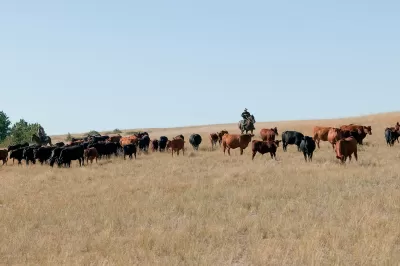
An analysis from the Public Employees for Environmental Responsibility (PEER) reveals that the Bureau of Land Management (BLM) is failing to meet agency standards in caring for the 56.7 million acres of rangeland under its purvey, writes Jimmy Tobias in High Country News. “Particularly hard-hit are the high, cold deserts of Nevada, Wyoming and southern Idaho; In Nevada alone, approximately 22 million acres of public grazing land do not meet health standards.”
The report found that the BLM did not conduct health assessments on 24 percent of its grazing lands between 1997 and 2023, and half of those that were evaluated failed to meet standards for water quality, watershed protection, and conservation. “It’s not just overgrazing; invasive weeds, wildfires, off-road vehicle use, drought and more all contribute to the deteriorating health of the public domain,” Tobias explains. Bureaucracy, too, plays a part: “Thanks to a loophole embedded in the Federal Land Policy and Management Act, the agency isn’t required to complete environmental reviews before reissuing grazing permits to ranchers.”
Historically, the BLM has bowed to pressure from ranching interests, doing little to combat illegal grazing and other destructive practices. A new rule issued by the Biden administration last month expands the land health evaluation program to include “all surface acreage under the agency’s purview.”
FULL STORY: Federal grazing lands fail their checkup

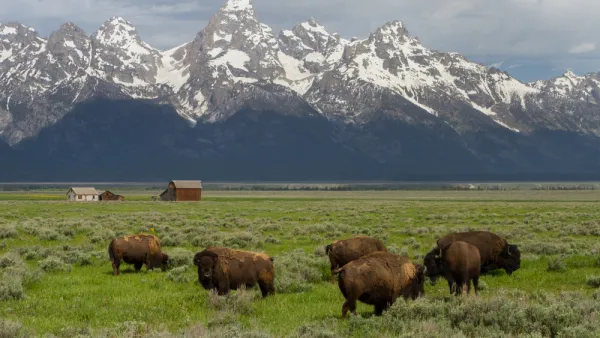
Public Lands Rule Would Center Conservation
After decades of protecting extractive interests, federal law could reverse course and put conservation on par with other uses.
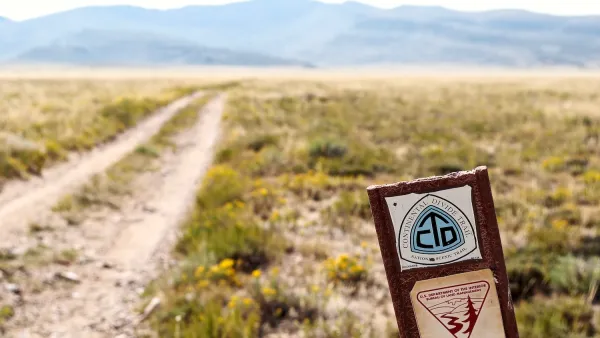
BLM To Rescind Public Lands Rule
The change will downgrade conservation, once again putting federal land at risk for mining and other extractive uses.
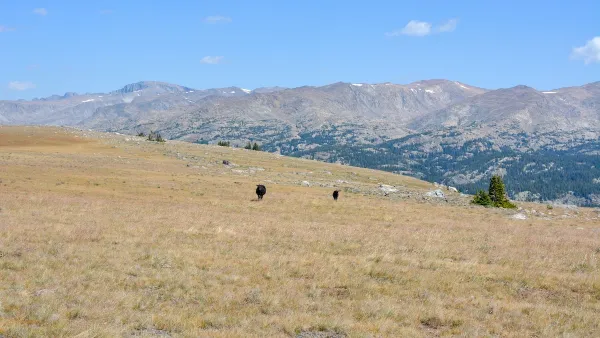
Industry Groups Sue BLM Over Public Lands Rule
Farmers, ranchers, and others are challenging a policy change that puts conservation on the same footing as other land uses.

Planetizen Federal Action Tracker
A weekly monitor of how Trump’s orders and actions are impacting planners and planning in America.

The state-sanctioned urbicide of Austin
People don’t kill cities. Freeways do.

US to reduce Colorado River water deliveries to Mexico
A new Colorado Treaty amendment reduces Mexico’s Colorado River water allocation by 250,000 acre feet.

5 New England states march closer to 800 megawatt wind energy project
Securing federal approval for the project may be complicated under the Trump administration, which has historically been hostile towards domestic wind power.

Baltimore to break ground on $50 million Transit Priority Project
The project will bring faster bus trips, safer streets and better bike connections to Baltimore.

Airbnb launches $250 million 'last-dollar financing' housing accelerator, makes first investment in Austin
The company will put $6.4 million towards affordable housing development in Texas’ capital.

FREE Course: Walkable City 1: Why Walkability?
After describing his path towards focusing on walkability as the essence of good planning, Jeff Speck marches through his five principal reasons for making more walkable places.
Reinventing Malls: Planning Alchemy—Turning Gray Fields Into Gold
The course focuses on the opportunities and imperatives that shape reinvention of mall sites.

Eagle County Government
Harvard University Graduate School of Design
Nashville Planning Department
The Architects Foundation
University of Cincinnati Online
The Pocatello Development Authority
The Urban Renewal Agency of the City of Pocatello
Journal of the American Planning Association