Manufactured homes can be an affordable and accessible solution to the housing crisis, but they’re zoned out of many U.S. neighborhoods.



In an opinion piece in The Ledger, L.A. “Tony” Kovach calls on cities in Florida and elsewhere to loosen zoning restrictions that limit where manufactured housing, which can cost half as much as site-built homes, can be placed.
In many U.S. cities, zoning codes restrict where manufactured housing can be placed, often relegating it to the edges of towns and areas isolated from transportation and services. Yet manufactured homes can offer safe, affordable, secure housing and higher density than many single-family neighborhoods. “Unlike conventional housing, many could buy a manufactured home on privately owned land with FHA, VA, or USDA financing for about the same payment as a rental.”
According to Kovach, the 2000 Manufactured Housing Improvement Act allows the federal government to preempt local zoning rules that bar manufactured housing, though this “enhanced preemption” is rarely used. Kovach argues for more widespread enforcement of this rule, pointing to the success of accessory dwelling units (ADUs) in California after the state legalized their construction as a model for manufactured housing, which he argues could similarly help boost the housing supply and provide affordable units for individuals and families.
FULL STORY: Opinion/Commentary: Governments should lighten up on zoning for affordable manufactured homes

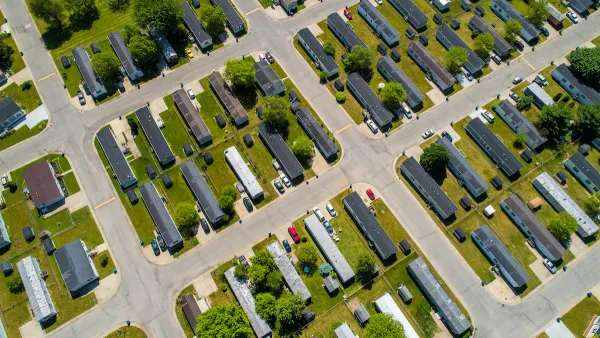
HUD Reforms to Manufactured Housing Policy Could Unlock More Affordable Homes
The agency took a series of steps to make manufactured homes, often excluded from neighborhoods and loan programs, more accessible and affordable.
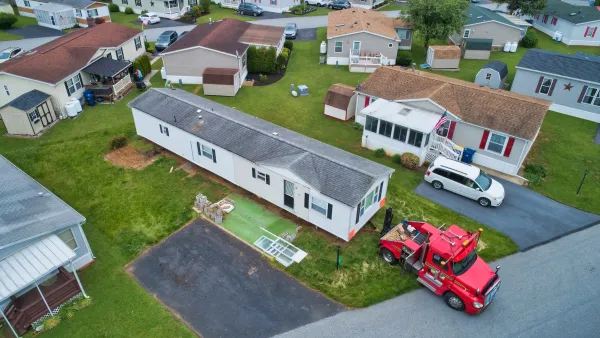
Affordable HOMES Act Removes DOE Oversight From Manufactured Housing, Claims it Will Drop Prices by $10K
A bill that passed the U.S. House would put regulations for manufactured housing, including energy standards, solely under the Department of Housing and Urban Development.
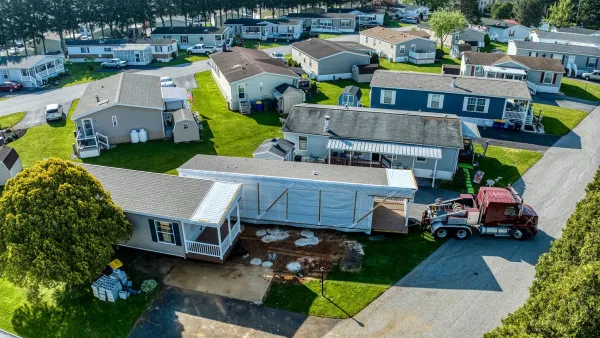
Federal Law Says Manufactured Homes Must be Movable. Changing That Could Unlock an Affordable Housing Boom.
A proposed rule change in the Road to Housing Act would make manufactured housing more flexible and affordable.

Planetizen Federal Action Tracker
A weekly monitor of how Trump’s orders and actions are impacting planners and planning in America.

The state-sanctioned urbicide of Austin
People don’t kill cities. Freeways do.

US to reduce Colorado River water deliveries to Mexico
A new Colorado Treaty amendment reduces Mexico’s Colorado River water allocation by 250,000 acre feet.

5 New England states march closer to 800 megawatt wind energy project
Securing federal approval for the project may be complicated under the Trump administration, which has historically been hostile towards domestic wind power.

Baltimore to break ground on $50 million Transit Priority Project
The project will bring faster bus trips, safer streets and better bike connections to Baltimore.

Airbnb launches $250 million 'last-dollar financing' housing accelerator, makes first investment in Austin
The company will put $6.4 million towards affordable housing development in Texas’ capital.

FREE Course: Walkable City 1: Why Walkability?
After describing his path towards focusing on walkability as the essence of good planning, Jeff Speck marches through his five principal reasons for making more walkable places.
Reinventing Malls: Planning Alchemy—Turning Gray Fields Into Gold
The course focuses on the opportunities and imperatives that shape reinvention of mall sites.

Eagle County Government
Harvard University Graduate School of Design
Nashville Planning Department
The Architects Foundation
University of Cincinnati Online
The Pocatello Development Authority
The Urban Renewal Agency of the City of Pocatello
Journal of the American Planning Association