The city’s focus on assistance for households at risk of eviction and supportive housing helped keep more residents housed.



While the homeless population in most of the country grew over the last year, Chattanooga, Tennessee managed to reduce homelessness in the region by 49 percent compared to 2022.
As Kalena Thomhave explains in Smart Cities Dive, “Advocates in Chattanooga attribute the region’s success to several strategies, including a focus on providing housing, eviction prevention, and collaboration among service providers to target resources to vulnerable populations.”
The city currently has 200 units of supportive housing primarily aimed at people experiencing chronic homelessness. Its Eviction Prevention Initiative, meanwhile, offers assistance to tenants at risk of eviction by paying back rent, moving costs, and legal costs. “The goal is to help renters stay in their homes rather than force them into alternative accommodations like moving in with a family member, sleeping at a homeless shelter, or no housing at all.”
Like other experts, Steve Berg, chief policy officer at the National Alliance to End Homelessness, says homelessness is ultimately a housing problem. To prevent households from falling into homelessness or spending the majority of their income on housing, Chattanooga and other cities must encourage housing development that keeps up with demand.
Read the full story: Chattanooga reduced its homeless population by almost 50% last year. Here’s how.


Report: DC Needs ‘Immense’ Funding Increase to Address Housing Crisis
Close to 60,000 District households can’t afford their housing costs, according to research from the Urban Institute.

Jersey City Approves New Rental Assistance
The city will supply rental assistance grants through its Affordable Housing Trust Fund.
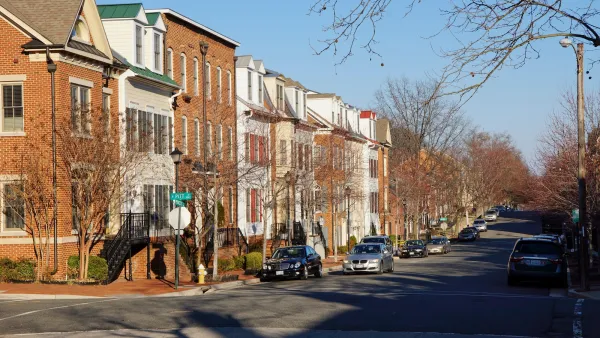
Alexandria eviction diversion program will let tenants pay back rent in installments
Eligible tenants will be allowed to make a 10% down payment on the back rent they owe and pay off the rest in installments while remaining in their home.

Planetizen Federal Action Tracker
A weekly monitor of how Trump’s orders and actions are impacting planners and planning in America.

California plans to bury El Niño’s downpour
If the state plays its cards right, it may be able to store a billion acre-feet of El Niño’s water in aquifers.

Desperate measures: Advocates weigh draining Lake Powell to fill Colorado River
Draining the reservoir could reduce evaporation losses by a couple hundred thousand acre-feet.

‘Hoodwinked:’ New Mexico bill aimed at microgrids paves way for data center development
In an interview with High Country News, Padilla said the legislation “ignited” New Mexico's economy.

California’s ‘unrecognizable’ water plan may go down the drain
After four years of regulatory processes, water agencies say the plan to overhaul how cities and farms take water from the Sacramento-San Joaquin Delta has changed dramatically.

Chicago Avenue bridge construction delays enrages city leaders
The bridge has been closed since 2025. The city originally aimed to re-open it in December, and now expects to finish construction in 2027.

FREE Course: Walkable City 1: Why Walkability?
After describing his path towards focusing on walkability as the essence of good planning, Jeff Speck marches through his five principal reasons for making more walkable places.
Reinventing Malls: Planning Alchemy—Turning Gray Fields Into Gold
The course focuses on the opportunities and imperatives that shape reinvention of mall sites.

City of Rosemead
Rutgers University, Edward J. Bloustein School of Planning and Public Policy
One Hundred Miles
Hunter College, City University of New York (CUNY)
The Architects Foundation
University of Cincinnati Online
City of Cambridge
Montrose County
The Pocatello Development Authority