By 2050, climate change will have the biggest negative impact on urban areas located in the Sun Belt.


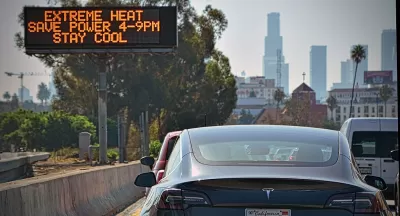
Online insurance marketplace Policygenius evaluated the 50 largest U.S. cities to determine which will be most and least impacted by climate change by 2050. The factors analyzed included heat and humidity, flooding and sea level rise, air quality, and frequency of natural disasters such as hurricanes, tornadoes, wildfires, social vulnerability, and community resilience.
Least Impacted
- San Francisco, California
- Seattle, Washington
- Columbus, Ohio
- Minneapolis, Minnesota
- Baltimore, Maryland
- Milwaukee, Wisconsin
- Portland, Oregon
- Pittsburgh, Pennsylvania
- Richmond, Virginia
- Denver, Colorado
Most Impacted
- Houson, Texas
- Miami, Florida
- Tampa, Florida
- Jacksonville, Florida
- Orlando, Florida
- New Orleans, Louisiana
- Los Angeles, California
- Memphis, Tennessee
- Riverside, California
- Virginia Beach, Virginia
Of the cities ranked most at risk, all are located in the Sunbelt, which often tops lists of the best places to move or retire. Eight of those are located in the South, which was the only region that drew net new residents from other states in 2023, according to data from the U.S. Census Bureau. Experts are concerned this trend will leave an increasing number of people, particularly Black communities and communities of color, vulnerable to the negative impacts of climate change.
FULL STORY: Best & worst cities for climate change

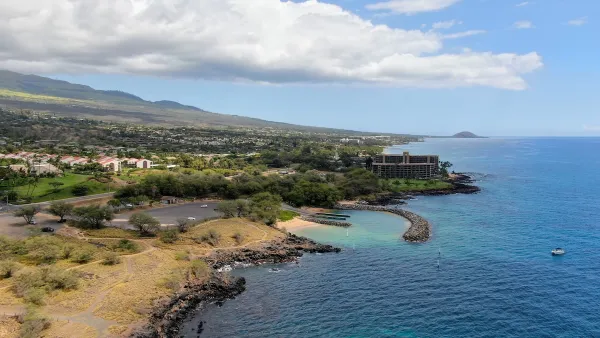
Elevating Environmental Journalism: A Masterclass in Climate Storytelling
Pulitzer Prize finalist Rosanna Xia visited the University of Hawai'i at Manoa, sharing her climate reporting expertise through sea level rise field tours, engaging storytelling workshops, and an inspiring public lecture.
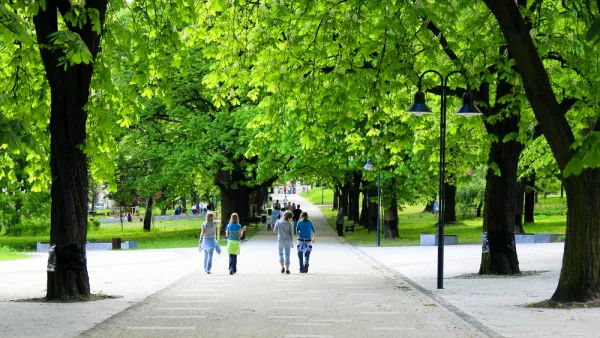
The Problem with Tree Planting Programs
Ambitious campaigns to plant trees in urban areas often don't take into account the complexities of growing and maintaining effective urban forests.
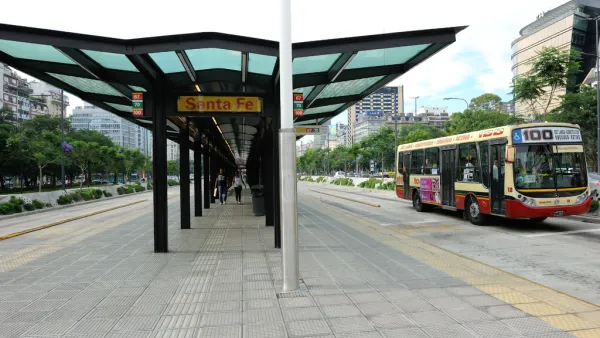
Cities' Role in Climate Governance and Global Policy: A Dispatch from the Urban20
In a dispatch from the Urban 20 Mayoral Summit, Jocelyn Perry and Bill Burke-White write about cities' role in climate governance and public policy.

Planetizen Federal Action Tracker
A weekly monitor of how Trump’s orders and actions are impacting planners and planning in America.

The state-sanctioned urbicide of Austin
People don’t kill cities. Freeways do.

US to reduce Colorado River water deliveries to Mexico
A new Colorado Treaty amendment reduces Mexico’s Colorado River water allocation by 250,000 acre feet.

5 New England states march closer to 800 megawatt wind energy project
Securing federal approval for the project may be complicated under the Trump administration, which has historically been hostile towards domestic wind power.

Baltimore to break ground on $50 million Transit Priority Project
The project will bring faster bus trips, safer streets and better bike connections to Baltimore.

Airbnb launches $250 million 'last-dollar financing' housing accelerator, makes first investment in Austin
The company will put $6.4 million towards affordable housing development in Texas’ capital.

FREE Course: Walkable City 1: Why Walkability?
After describing his path towards focusing on walkability as the essence of good planning, Jeff Speck marches through his five principal reasons for making more walkable places.
Reinventing Malls: Planning Alchemy—Turning Gray Fields Into Gold
The course focuses on the opportunities and imperatives that shape reinvention of mall sites.


Eagle County Government
Harvard University Graduate School of Design
Nashville Planning Department
The Architects Foundation
University of Cincinnati Online
The Pocatello Development Authority
The Urban Renewal Agency of the City of Pocatello
Journal of the American Planning Association