Community science mobilizes the public to work alongside scientists to help answer questions about the world. Learn about the valuable contributions of community scientists in Hawai'i.


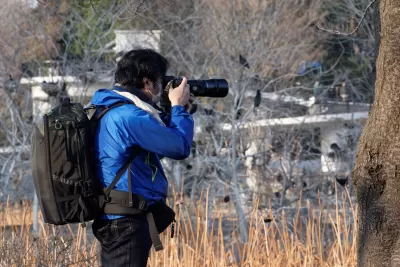
Community science is essentially science for everyone. Specifically, community science is when the public voluntarily helps conduct scientific research, including designing experiments, collecting data, analyzing results, and solving problems. Community scientists are doing some great work across the country, including the state of Hawai'i.
As Catherine Toth Fox reports, some notable community science projects in Hawai'i have included the state-run Hawaii Ulua and Papio Tagging Project; the annual Kolea Count, run by the Hawaii Audubon Society; and the Sanctuary Ocean Count, which tracks humpback whale migration to the Islands. Currently, University of Hawai'i researchers are asking the public to document extreme water level events, also known as King Tides, this summer starting July 3. The goal of the King Tides Project is to better understand the impacts from sea-level rise and other coastal hazards by looking at these high tides, which will likely be average sea levels in the future.
The King Tides Project started in the summer of 2015, when a few scientists went out with data sheets and took photos of king tides at their favorite coastlines. In the following year, the group recruited the public to assist, offering training workshops to educate volunteers about King Tides and how sea level rise could impact the places they care about. To date, the project has received over 3,800 photos from 484 community scientists on five islands.
To learn more, please read the source article.
Read the full story: From King Tides To Whale Watching, Community Scientists Keep Research Afloat
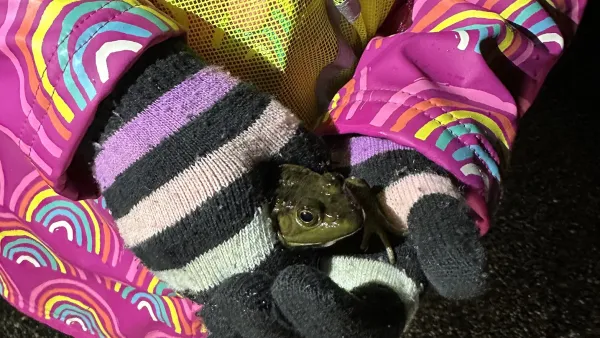
Once a year, Maine roads become highways for amphibians
The 'Big Night' brings out volunteers to help frogs, salamanders, and other migrating amphibians cross roads to reach their breeding grounds.

San Diego Sues DHS, DOD Over Razor Wire Near Mexico Border
The city says U.S. Marines trespassed on city land to install fencing that damages sensitive habitat in an area designated as conservation land.
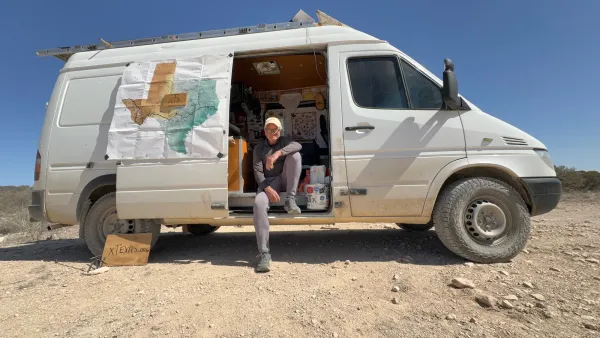
Meet the Team Working to Create a 1,500-mile Trail Across Texas
The proposed xTx route would safely allow hikers, bikers, and equestrians to cross the entire state from the Louisiana border to El Paso.

Planetizen Federal Action Tracker
A weekly monitor of how Trump’s orders and actions are impacting planners and planning in America.

California plans to bury El Niño’s downpour
If the state plays its cards right, it may be able to store a billion acre-feet of El Niño’s water in aquifers.

Desperate measures: Advocates weigh draining Lake Powell to fill Colorado River
Draining the reservoir could reduce evaporation losses by a couple hundred thousand acre-feet.

US buildings threatened, destroyed by fires set to triple by 2060
Researchers found a high fire risk for socioeconomically vulnerable neighborhoods in the American West.

LA residents may be allowed to paint their own crosswalks
Councilwoman Katy Yaroslavsky put out a motion instructing the Los Angeles Department of Public Transportation to study the feasibility of allowing volunteers to paint crosswalks.

Dallas moves to overhaul its zoning code
The city's zoning reform will allow more multi-family and mixed-use developments.

FREE Course: Walkable City 1: Why Walkability?
After describing his path towards focusing on walkability as the essence of good planning, Jeff Speck marches through his five principal reasons for making more walkable places.
Reinventing Malls: Planning Alchemy—Turning Gray Fields Into Gold
The course focuses on the opportunities and imperatives that shape reinvention of mall sites.

City of Rosemead
Rutgers University, Edward J. Bloustein School of Planning and Public Policy
One Hundred Miles
Hunter College, City University of New York (CUNY)
The Architects Foundation
University of Cincinnati Online
City of Cambridge
Montrose County
The Pocatello Development Authority