The Los Angeles County Board of Supervisors has approved the 2022 Parks Needs Assessment Plus (PNA+), which focuses on environmental conservation and restoration, regional recreation, and rural recreation.


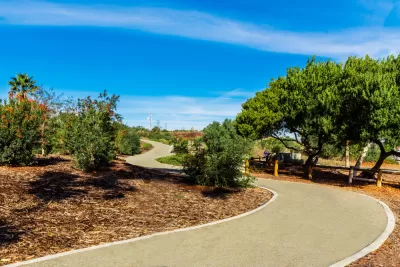
On December 6, 2022, the Los Angeles County Board of Supervisors unanimously adopted the 2022 Parks Needs Assessment Plus (PNA+) Final Report as the county’s 30x30 plan. 30x30 refers to the goal of conserving 30 percent of lands and coastal waters by 2030 to address climate change and protect biodiversity.
In this article, park planner Clement Lau discusses the PNA+ Final Report which addresses environmental conservation and restoration, regional recreation, and rural recreation. The PNA+ builds upon and supplements the 2016 Parks Needs Assessment (PNA) with data, mapping, and analyses to guide future environmental conservation and restoration efforts across the county as well as information about regional and rural recreation needs. Like the 2016 PNA, the PNA+ involved data collection and analysis, mapping using geographic information system (GIS), coordination with park and trail managing agencies, and public outreach and engagement in partnership with community-based organizations (CBOs).
The PNA+ focuses on the most vulnerable residents living in park-poor, tree-poor urban and rural areas with limited access to local and regional parks and recreational facilities. Vulnerable communities are identified and mapped using data from the Healthy Places Index (HPI), including indicators that address four dimensions: 1) social barriers like poverty and unemployment; 2) transportation barriers like limited access to public transit or automobile; 3) health vulnerability like reduced life expectancy at birth; and 4) environmental vulnerability like a high number of excessive heat days and limited tree canopy.
The PNA+ identifies priority areas for environmental conservation and restoration which form the basis for a 30x30 plan for L.A. County. This strategy reimagines conservation through an equity lens to include both traditional efforts that involve the protection of natural lands and the restoration of degraded lands, especially in lower-income communities of color where vulnerable populations and environmental burdens are concentrated.
To learn more about PNA+, please read the source article.
Read the full story: Conservation Reimagined: Los Angeles County’s 30x30 Plan
Study: How Urban Parks Can Support Biodiversity
Conservation and recreation can go hand in hand in urban green spaces designed to serve both humans and local wildlife.
A Plan to Expand Tree Canopy Across Dayton
Dayton is developing an urban forest master plan, using a $2 million grant to expand its tree canopy, address decades of tree loss, and enhance environmental equity across the city.
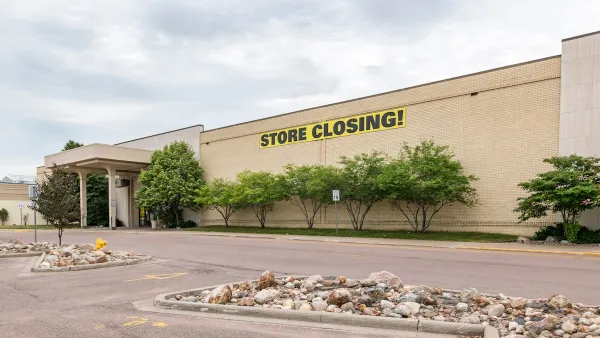
Shifts in Shopping: Transforming Malls Into Parks
Maybe zombie malls still have a second life — one with a little greenery.

Planetizen Federal Action Tracker
A weekly monitor of how Trump’s orders and actions are impacting planners and planning in America.

California plans to bury El Niño’s downpour
If the state plays its cards right, it may be able to store a billion acre-feet of El Niño’s water in aquifers.

Desperate measures: Advocates weigh draining Lake Powell to fill Colorado River
Draining the reservoir could reduce evaporation losses by a couple hundred thousand acre-feet.

Housing is the top priority of Seattle’s sole new councilmember
Jenks campaigned on building 1,000 new units of affordable housing.

New tax cuts may slash $1.5 billion in funding for Miami transit, public parks
Amendment 3 will save Miami-Dade homeowners $2,700 in 2028.

Arizona, Wisconsin, Pennsylvania hope to finally advance climate goals post-midterms
The three states have spent years under Republican or divided control.

FREE Course: Walkable City 1: Why Walkability?
After describing his path towards focusing on walkability as the essence of good planning, Jeff Speck marches through his five principal reasons for making more walkable places.
Reinventing Malls: Planning Alchemy—Turning Gray Fields Into Gold
The course focuses on the opportunities and imperatives that shape reinvention of mall sites.

City of Rosemead
Rutgers University, Edward J. Bloustein School of Planning and Public Policy
One Hundred Miles
University of Michigan School for Environment and Sustainability (SEAS)
Hunter College, City University of New York (CUNY)
The Architects Foundation
City of Cambridge
Montrose County
The Pocatello Development Authority