A third of Detroit's 139-square-miles now consists of weed-choked lots and deteriorating buildings.


"After decades of blight, large swathes of Detroit are being reclaimed by nature. Roughly a third of this 139-square-mile city consists of weed-choked lots and dilapidated buildings. Satellite images show an urban core giving way to an urban prairie. Rather than fight this return to nature, Mr. Weertz and other urban farmers have embraced it, gradually converting 15 acres of idle land into more than 40 community gardens and microfarms -- some consuming entire blocks... Urban farmers face a number of challenges, from finding water (renegades tap into fire hydrants...) to eliminating broken glass, concrete and unsavory contaminants like lead from the soil. Hayfields, mistaken for 'ghetto grass,' have been mowed down by the Department of Public Works just as they are ready to be cut and baled."
Thanks to Laura Kranz
Read the full story: In the Capital of the Car, Nature Stakes a Claim


Planetizen Federal Action Tracker
A weekly monitor of how Trump’s orders and actions are impacting planners and planning in America.

Colorado’s Largest Data Center Could Rise Next to Homes — Without a Public Hearing
The proposed campus would consume 11 times the power of Denver International Airport; as it has across the country, opposition mounts.

US to reduce Colorado River water deliveries to Mexico
A new Colorado Treaty amendment reduces Mexico’s Colorado River water allocation by 250,000 acre feet.

'This is going to be painful:’ Virginia stares down $1.7 billion funding gap for highway maintenance
The state may address the deficit by shifting $290 million from its construction budget to maintenance projects.
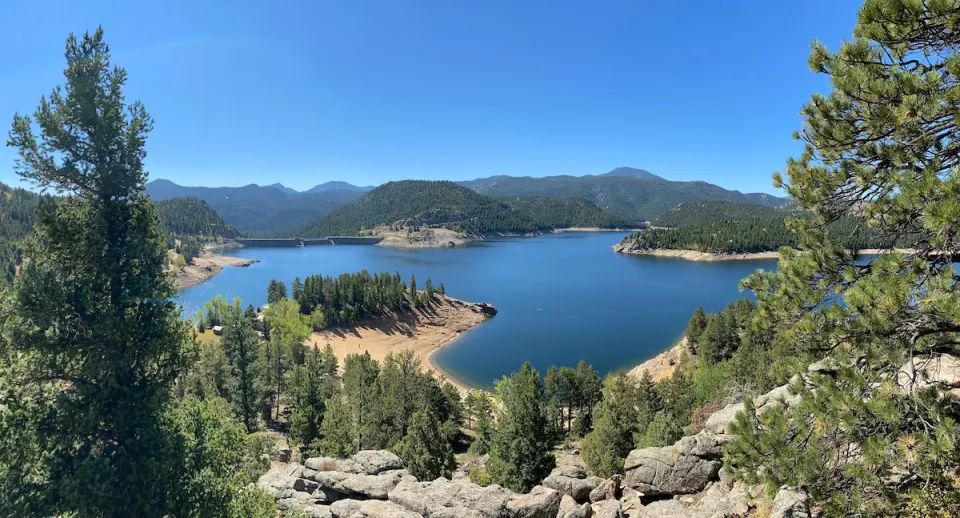
Judges permit Denver to divert 77,000 acre feet from the Colorado River for reservoir expansion
Overuse and climate change have caused the Colorado River’s water levels to plummet.
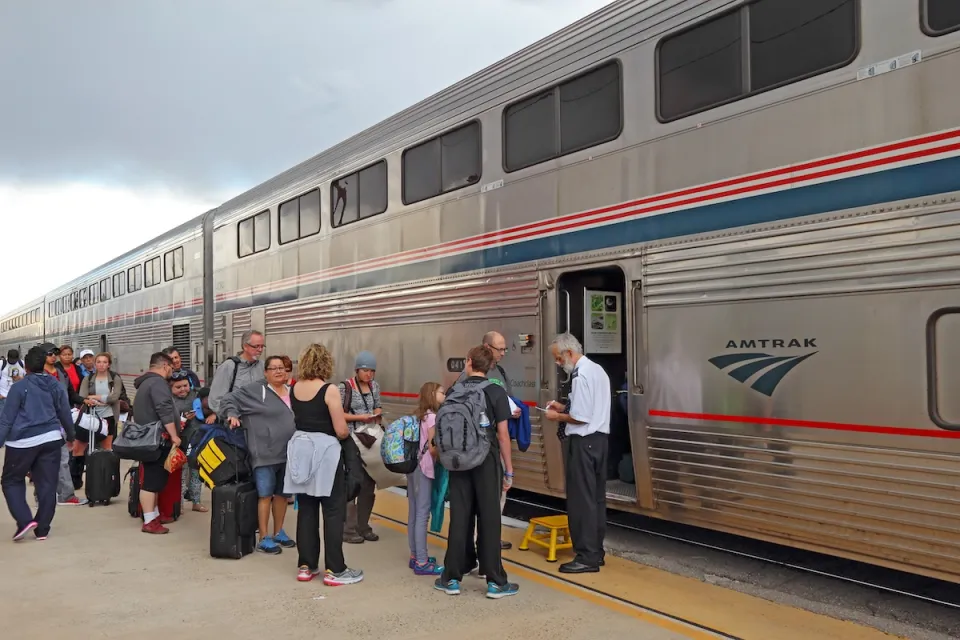
Amtrak, CN end decades-long dispute with eight-year agreement
The new operating agreement establishes an updated framework for the companies to work together, including processes to resolve disputes.

FREE Course: Walkable City 1: Why Walkability?
After describing his path towards focusing on walkability as the essence of good planning, Jeff Speck marches through his five principal reasons for making more walkable places.
Reinventing Malls: Planning Alchemy—Turning Gray Fields Into Gold
The course focuses on the opportunities and imperatives that shape reinvention of mall sites.

KFH Group Inc.
Greater Baltimore Committee
Eagle County Government
The Architects Foundation
University of Cincinnati Online
The Pocatello Development Authority
The Urban Renewal Agency of the City of Pocatello