The restoration of degraded lands, including properties occupied by abandoned, redundant, or unwanted infrastructure, is of great importance in Los Angeles County where numerous underserved communities are plagued with environmental burdens.



Degraded lands are often found in areas that have the most environmental burdens with respect to groundwater threat, hazardous waste, poor air quality, pollution burden, etc. These lands include properties occupied by abandoned, redundant, or unwanted infrastructure, such as decommissioned landfills, oil wells, rail yards, utility corridors, airports, and power plants. In Los Angeles County, many of the most environmentally burdened communities are also the most park poor per the Countywide Parks Needs Assessment and the most climate-vulnerable per the County Climate Vulnerability Assessment.
In locations where environmental burdens are concentrated and impactful land uses are defunct, multiple benefits can be derived from restoration projects like new parks that address residual pollution and unhealthy conditions, restore natural systems, and provide enhanced recreational opportunities for residents. In this article, park planner Clement Lau argues for an equity-based conservation and restoration approach that prioritizes and focuses funding and other resources to acquire, clean up, and reclaim degraded lands for park use in the communities that have the most environmental burdens.
FULL STORY: Environmental Restoration for Parks and Recreation


Upcycling a Landfill into a Regional Park
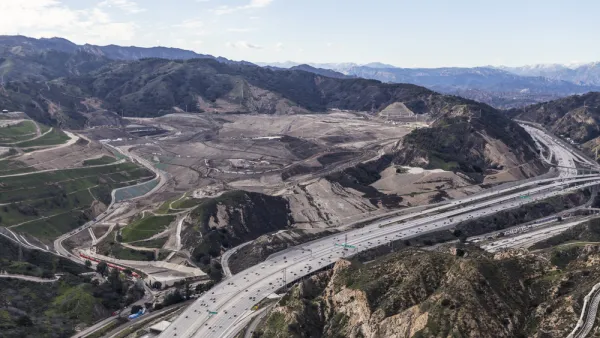
Los Angeles County is working with a consultant team led by Studio-MLA to transform 142 acres of the Puente Hills Landfill into parkland, creating the first new regional park in the county in over 35 years.

Downtown Los Angeles Park Wins National Award
Vista Hermosa Natural Park, designed by the landscape architecture firm Studio-MLA, has won the ASLA 2023 Landmark Award. Completed in 2008, Vista Hermosa was the first public park built in downtown L.A. in over 100 years.
From Degraded Lands to Parks: Advancing Environmental Justice
The restoration of degraded lands, including properties occupied by abandoned, redundant, or unwanted infrastructure, is of great importance in Los Angeles County, where numerous underserved communities are plagued with environmental burdens.

Planetizen Federal Action Tracker
A weekly monitor of how Trump’s orders and actions are impacting planners and planning in America.

The state-sanctioned urbicide of Austin
People don’t kill cities. Freeways do.

US to reduce Colorado River water deliveries to Mexico
A new Colorado Treaty amendment reduces Mexico’s Colorado River water allocation by 250,000 acre feet.

Mamdani overhauls NYC's Vision Zero plan with 100 new policy goals
The overhaul aims to reduce traffic deaths and make streets safer for pedestrians, cyclists and drivers through lower speed limits, new safety infrastructure and more.

Amtrak not solely to blame for New Jersey commuter rail's unreliability, report finds
A new study from the Garden State Initiative found that NJ Transit’s budget grew 20% across a 4 year period, but reliability declined significantly over the same period.

EPA erases limits on planet-warming pollution from power plants
Under Monday’s plan, power plants would still have some limits on how much mercury, arsenic and other contaminants they can emit.

FREE Course: Walkable City 1: Why Walkability?
After describing his path towards focusing on walkability as the essence of good planning, Jeff Speck marches through his five principal reasons for making more walkable places.
Reinventing Malls: Planning Alchemy—Turning Gray Fields Into Gold
The course focuses on the opportunities and imperatives that shape reinvention of mall sites.

Eagle County Government
Harvard University Graduate School of Design
Nashville Planning Department
The Architects Foundation
University of Cincinnati Online
The Pocatello Development Authority
The Urban Renewal Agency of the City of Pocatello
Journal of the American Planning Association