Maine could become the third state to eliminate single-family-only zoning to encourage light density increases in residential areas and make it easier for homeowners to build accessory dwelling units.



The Maine state legislature is one step closer to passing a bill legalizing duplexes, accessory dwelling units, and other “missing middle housing” types in neighborhoods previously zoned for single-family homes. As Christian Britschgi writes, the state is following the example of California and Oregon, which have both eliminated single-family only zoning and, in the case of California, established housing production goals.
“The measure has attracted bipartisan support, reflecting a growing consensus that local governments' zoning regulations are making housing unaffordable and that state preemption of those regulations is one means of bringing housing costs down and returning rights to property owners,” Britschgi says.
Maine's legislation would require municipalities to allow two-unit homes everywhere that single-family homes are allowed today, and to allow four-unit homes in designated growth areas. The bill would also guarantee homeowners the right to build accessory dwelling units (ADUs)—sometimes known as granny flats or in-law suites—on their single-family properties.
The bill would allow localities to limit ADU size, but ban them from requiring additional on-site parking. “The bill also eases density restrictions and parking requirements for deed-restricted affordable housing in multifamily-zoned areas. Provided they offer units for rent or sale at specific below-market rates, these developments can be built at 2.5 times the density of whatever the multifamily zone already allows.”
Critics of the bill say taking control away from local leaders could lead to overdevelopment and strained infrastructure and local services. Some also point out the nebulous and shifting definition of “affirmatively furthering fair housing.”
Others question whether the legislation would have any impact at all—California’s early experience does not exactly inspire confidence, although the state is taking steps to make ADU construction cheaper and more feasible for more property owners. According to Britschgi, allowing localities to set rules for ADUs “opens the door to localities setting up lengthy, discretionary approval processes that discourage people from actually building them.”
Read the full story: Maine Could Be the Third State To End Single-Family-Only Zoning


Reno Revisits Zoning Reform
After roundly rejecting a proposal to legalize granny flats in 2018, the city council is revising it and other zoning reform proposals that could increase the city’s affordable housing supply.
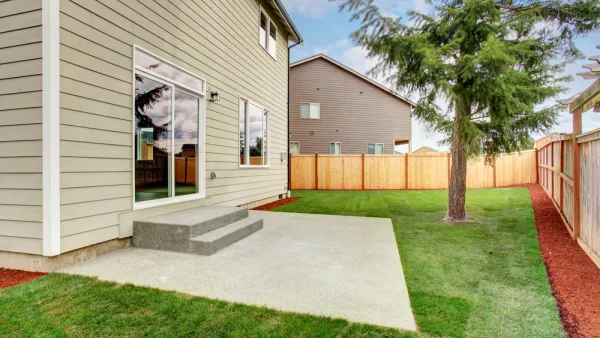
With Regulations Loosened, Granny Flat Construction Soars in California
Less restrictive permit laws and pre-fabricated, pre-approved building options are spurring more homeowners to build backyard additions.
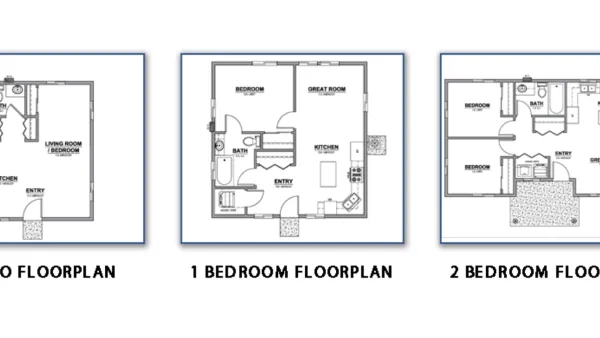
'Permit Ready Plans' for ADUs Published in Stockton, California
Cities looking to provide incentive for the construction of accessory dwelling units are increasingly released "permit ready plans" to help the cause.

Planetizen Federal Action Tracker
A weekly monitor of how Trump’s orders and actions are impacting planners and planning in America.

California plans to bury El Niño’s downpour
If the state plays its cards right, it may be able to store a billion acre-feet of El Niño’s water in aquifers.

Chicago breaks ground on $3 billion megadevelopment
The new neighborhood, titled Foundry Park, will one day host 3,700 residences.

California High-Speed Rail Authority CEO resigns after $600,000 scandal
Under Ian Choudri, the authority used taxpayer dollars to fund first class flights and trips to nightclubs.

Want to study the Missouri River? Soon, you may need unanimous approval from 10 states
Legislation would require 10 governors’ permission to study or build projects moving water outside the basin.

Desperate measures: Advocates weigh draining Lake Powell to fill Colorado River
Draining the reservoir could reduce evaporation losses by a couple hundred thousand acre-feet.

FREE Course: Walkable City 1: Why Walkability?
After describing his path towards focusing on walkability as the essence of good planning, Jeff Speck marches through his five principal reasons for making more walkable places.
Reinventing Malls: Planning Alchemy—Turning Gray Fields Into Gold
The course focuses on the opportunities and imperatives that shape reinvention of mall sites.

City of Rosemead
Rutgers University, Edward J. Bloustein School of Planning and Public Policy
One Hundred Miles
Hunter College, City University of New York (CUNY)
The Architects Foundation
University of Cincinnati Online
City of Cambridge
Montrose County
The Pocatello Development Authority