What $4 in increased property taxes in the Vancouver region could buy in terms of affordable housing development.


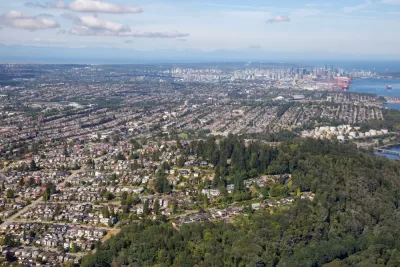
"Metro Vancouver is examining the prospect of raising property taxes by about $4 per household to fund construction of new affordable units," reports Jennifer Saltman.
The tax is estimated to raise $4 million a year, to fund partnerships between the regional district’s nonprofit housing corporation and member municipalities "to build housing on publicly owned vacant land."
"Metro’s housing portfolio includes 49 sites in 11 municipalities — about 3,400 units. The corporation uses rents, grant funding and property taxes to pay for operation and maintenance of those sites, along with redevelopment. The majority of the housing was constructed in the 1970s and 1980s," explains Saltman. "A new annual requisition of $4 million per year, or about $4 per household, could pay for at least 50 new units — or one four-storey apartment building — annually on bare municipal land."
Read the full story: Metro Vancouver considers tax hike to help pay for affordable housing
Affordable Housing Bond Nixed From the California Ballot
Supporters of the proposed bond say the measure will have more success in the future.
Vancouver City Council Eliminates Parking Mandates, Supports TOD
In a significant step for more diverse housing and transit-friendly development, the Vancouver City Council eliminated parking minimums and adopted a Transit-Oriented Areas (TOA) policy.
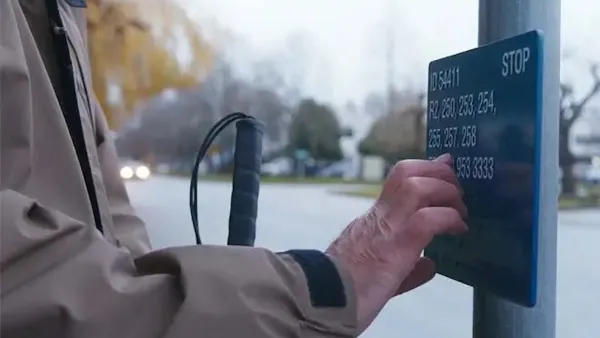
Braille Signage Now at All Vancouver Bus Stops
The city completed installation of signage for people with visual impairments at over 8,000 bus stops.

Planetizen Federal Action Tracker
A weekly monitor of how Trump’s orders and actions are impacting planners and planning in America.

California plans to bury El Niño’s downpour
If the state plays its cards right, it may be able to store a billion acre-feet of El Niño’s water in aquifers.

Desperate measures: Advocates weigh draining Lake Powell to fill Colorado River
Draining the reservoir could reduce evaporation losses by a couple hundred thousand acre-feet.

US buildings threatened, destroyed by fires set to triple by 2060
Researchers found a high fire risk for socioeconomically vulnerable neighborhoods in the American West.

LA residents may be allowed to paint their own crosswalks
Councilwoman Katy Yaroslavsky put out a motion instructing the Los Angeles Department of Public Transportation to study the feasibility of allowing volunteers to paint crosswalks.

Dallas moves to overhaul its zoning code
The city's zoning reform will allow more multi-family and mixed-use developments.

FREE Course: Walkable City 1: Why Walkability?
After describing his path towards focusing on walkability as the essence of good planning, Jeff Speck marches through his five principal reasons for making more walkable places.
Reinventing Malls: Planning Alchemy—Turning Gray Fields Into Gold
The course focuses on the opportunities and imperatives that shape reinvention of mall sites.

City of Rosemead
Rutgers University, Edward J. Bloustein School of Planning and Public Policy
One Hundred Miles
Hunter College, City University of New York (CUNY)
The Architects Foundation
University of Cincinnati Online
City of Cambridge
Montrose County
The Pocatello Development Authority