A new study puts a number of the risk of land use to the planet's biodiversity.


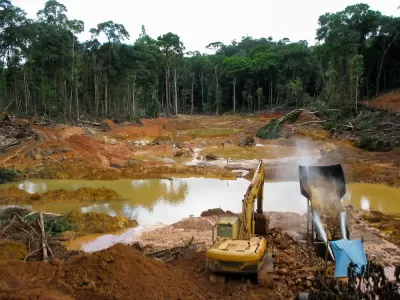
"As many as 1,700 species are facing extinction in the next half-century, thanks to humans reshaping their natural habitats," reports Chase Purdy.
That news delivered in a study by Yale researchers published recently in the Nature Climate Change journal. The study lists species, including many that will be familiar to the layperson, according to Purdy: "monarch butterflies, red-crowned cranes, bearcats, and Siamese crocodiles—all of them threatened by the same, almost-certain doom."
The complicity spreads beyond the geographic reach of the extinctions: "even if some of the animals live in remote parts of the planet, people in the the [sic] developing world are still complicit in their demise. The demand for tropical hardwood floors, palm oil, and soybeans—among other things—fundamentally reshapes habitats so drastically that life for many of these animals becomes too tough to navigate."
Read the full story: Human land use will likely drive 1,700 species to extinction

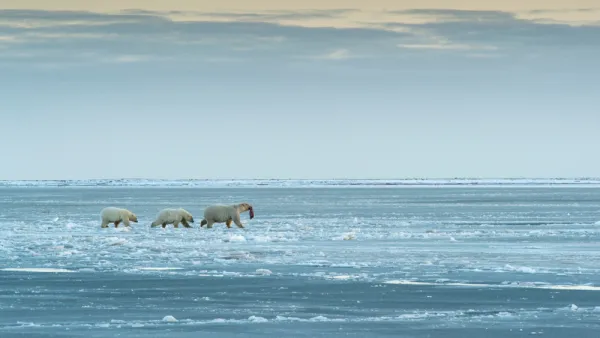
The Sixth Extinction Has Likely Already Begun
Scientists believe we have entered a sixth mass extinction event, calling for conservation and documentation of species before they are lost forever.

Land Use Patterns Connected to Biodiversity Crisis
As many as 1 million species are at risk of extinction if the world, including planning professionals and politicians, doesn't make big changes.

Beavers and bobcats populate a 210-acre 'secret garden' in Las Vegas
The Clark County Wetlands Park is home to over 300 species of birds and 70 species of mammals.

Planetizen Federal Action Tracker
A weekly monitor of how Trump’s orders and actions are impacting planners and planning in America.

Colorado’s Largest Data Center Could Rise Next to Homes — Without a Public Hearing
The proposed campus would consume 11 times the power of Denver International Airport; as it has across the country, opposition mounts.

US to reduce Colorado River water deliveries to Mexico
A new Colorado Treaty amendment reduces Mexico’s Colorado River water allocation by 250,000 acre feet.
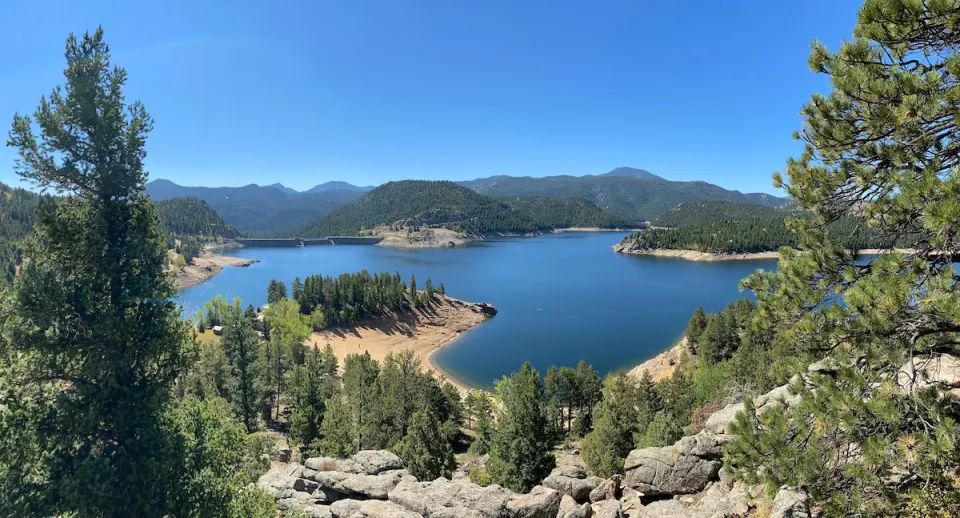
Judges permit Denver to divert 77,000 acre feet from the Colorado River for reservoir expansion
Overuse and climate change have caused the Colorado River’s water levels to plummet.

Amtrak, CN end decades-long dispute with eight-year agreement
The new operating agreement establishes an updated framework for the companies to work together, including processes to resolve disputes.

Raised interest rates may kill financially vulnerable construction projects
The chief economist at ConstructConnect warns that if construction project owners are negatively impacted by the raised rates, it could result in delayed payments to contractors.

FREE Course: Walkable City 1: Why Walkability?
After describing his path towards focusing on walkability as the essence of good planning, Jeff Speck marches through his five principal reasons for making more walkable places.
Reinventing Malls: Planning Alchemy—Turning Gray Fields Into Gold
The course focuses on the opportunities and imperatives that shape reinvention of mall sites.

KFH Group Inc.
Greater Baltimore Committee
Eagle County Government
The Architects Foundation
University of Cincinnati Online
The Pocatello Development Authority
The Urban Renewal Agency of the City of Pocatello