The Daily Source of Urban Planning News

Surface transportation funding extended to mid-December
The temporary spending bill reduces public transit funding by 20% and passenger rail funding by 81%.
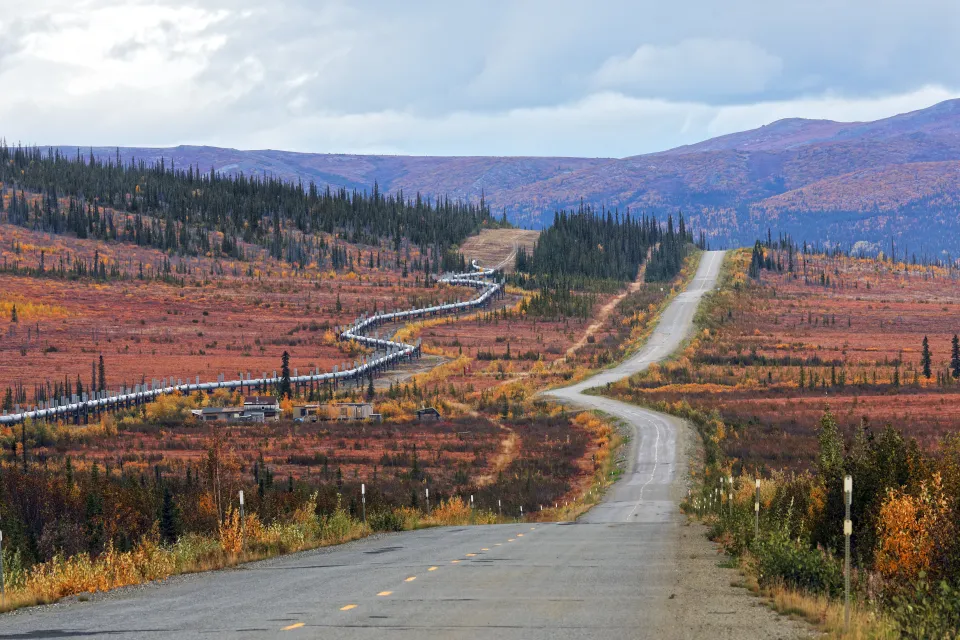
1.4 million acres of land in Alaska to lose federal protections
The Trump administration is transferring the land to the state, which will make it easier for Alaska to greenlight projects that may damage the environment.

NYC releases city’s first racial equity plan
The plan lists a wide range of goals, from improving pregnancy-related health outcomes for Black New Yorkers to building more affordable housing.

San Diego County to build treatment plant for Tijuana River sewage pollution crisis
The river has carried millions of gallons of untreated sewage into San Diego’s South Bay region.

New Jersey’s second-largest city bans standalone data centers
Jersey City will continue to allow co-location facilities, such as those meant for research institutions that store their own data.

FEATURE
The future of GIS, explored
The pros and cons of ArcGIS Urban, CityEngine, AI assistants and more notes from the 2026 Esri User Conference.
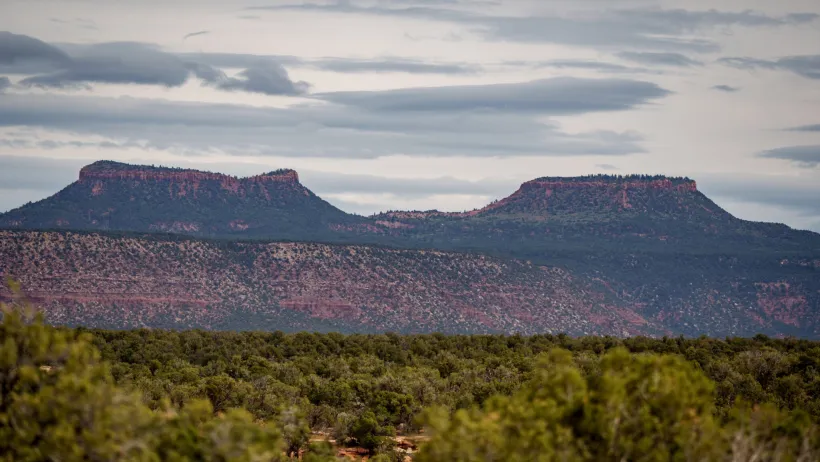
Patagonia, environmental groups revive old legal fights against new cuts to Utah monuments
White House says Trump ‘rightsized’ Bears Ears.

Through ‘questionable’ means,Trump is paying to make offshore wind power disappear
The East Coast is in need of renewable energy, but wind farm developers face permit revocations and stop-work orders from the Trump administration.

SEPTA receives $13.3 million to replace fire-prone train cars
The transit agency said it could be seven years before the replacement train cars come to Philadelphia.

California will reserve 369 miles of roadway for Olympic athletes, coaches and officials
The permit-only roadway will connect the Olympic Village to companion sites around L.A. County, and includes major roads such as Sunset Boulevard.

Amtrak announces new ‘System Expansion Committee’
The five initial members will oversee the expansion of rail service and the development of sustainable funding strategies.

House’s stopgap bill would reduce passenger rail investment by 83%
The bill would also lessen surface level public transit investment by 20% and eliminate the advance appropriations provided by the Infrastructure Investment and Jobs Act.

California invests $2.7 billion in over 150 transportation projects
The fund allocates money to transit upgrades and safety improvements to streets surrounding schools, among other ventures.

The future of architecture education according to 25 deans and directors
Interviews with architecture academic leadership revealed themes of adaptation, public engagement and climate resilience.
Google will fund removal of 2000 acres of trees in Oklahoma to save water while building new data center
The company has invested $30 million into projects intended to address Oklahoma’s water shortage.

Federal audit accuses Buffalo housing authority of of not adequately addressing lead-based paint hazards in public housing
BMHA did not report three confirmed cases of Buffalo children with elevated levels of lead in their blood, the report alleges.

Chicago-area transit gains new regional authority
The new leadership will preserve all previous services and bus and train operators.

California lawmakers approve bill that would shield housing, sports arena project from environmental lawsuits
The bill passed the Assembly with 72 votes out of a possible 80 and later cleared the Senate on a unanimous vote.

NYC residents are using TikTok to alert Mandami of city infrastructure problems — and it’s working
The format went viral after a NYC resident posted a video of two potholes and found them paved within hours.

Trump speeds up environmental review for Alaska oil pipeline
The Bureau of Land Management is also only accepting public comment on the project for 15 days, far fewer than the usual 30 to 60.
City of Charlotte
City of Rosemead
Rutgers University, Edward J. Bloustein School of Planning and Public Policy
University of Michigan School for Environment and Sustainability (SEAS)
Hunter College, City University of New York (CUNY)
The Architects Foundation
City of Cambridge
The Pocatello Development Authority
The Urban Renewal Agency of the City of Pocatello

FREE Course: Walkable City 1: Why Walkability?
After describing his path towards focusing on walkability as the essence of good planning, Jeff Speck marches through his five principal reasons for making more walkable places.
Reinventing Malls: Planning Alchemy—Turning Gray Fields Into Gold
The course focuses on the opportunities and imperatives that shape reinvention of mall sites.










