Exactly how much housing is allowed under the new plan will depend on zoning decisions and market conditions.


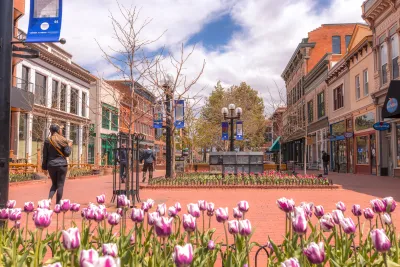
The city of Boulder and Boulder County have approved an updated Boulder Valley Comprehensive Plan, which is expected to create capacity for 35% to 40% more housing than the previous plan. The new homes will primarily be located within Boulder city limits, and achieved through “gentle infill,” according to city officials.
The previous plan allowed for 350 to 400 new houses every year. Exactly how much housing is allowed under the new plan will depend on zoning decisions and market conditions. The City of Boulder needs about 10,700 additional housing units by 2032 to meet demand and keep rents and home prices from becoming even less affordable, John Herrick writes for Boulder Reporting Lab.
“The plan includes land-use changes intended to support more single-unit attached housing, such as duplexes, triplexes and townhomes. City officials have said they do not expect it to create additional capacity for detached single-family homes or larger multiunit developments,” Boulder Reporting Lab reports.
Boulder’s new plan also creates a “Neighborhood 1” designation, which identifies areas where gentle infill should be allowed, such as ADUs and duplexes.
Read the full story: Boulder land-use plan could make room for 40% more housing


Planetizen Federal Action Tracker
A weekly monitor of how Trump’s orders and actions are impacting planners and planning in America.

Data reveals that NYC’s bet on congestion pricing has paid off
After almost two years of the program, reports show positive impacts on traffic and air quality and no disruptions to parking.

HUD modernizes 50-year-old manufactured housing framework
The Next Generation Manufactured Housing Action Plan establishes new energy-efficiency standards for manufactured homes, and new guidelines for anchoring them.

Chicago city vehicles are on the hunt for illegally-parked cars
Cameras on the vehicles can automatically issue tickets to drivers who park their cars in bus or bike lanes.

Small single-family homes are illegal in most of MA. Voters can change that
Most land zoned for single-family housing in Massachusetts requires at least 40,000 square feet of land per house.

Public steps inside U.S.’s first battery-powered train
Metra’s groundbreaking train feature modern seats and a futuristic battery car.

FREE Course: Walkable City 1: Why Walkability?
After describing his path towards focusing on walkability as the essence of good planning, Jeff Speck marches through his five principal reasons for making more walkable places.
Reinventing Malls: Planning Alchemy—Turning Gray Fields Into Gold
The course focuses on the opportunities and imperatives that shape reinvention of mall sites.

One Hundred Miles
County of Mendocino
planning NEXT
The Architects Foundation
University of Cincinnati Online
Montrose County
Northern Illinois Transit Authority (NITA)
The Pocatello Development Authority