The decades-old executive orders protected national parks and delicate ecosystems from dirt bikes, snowmobiles and ATVs.


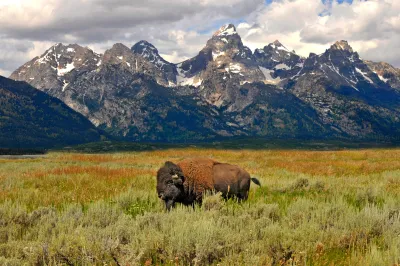
After nearly two decades of executive orders restricting off-road vehicles on public lands, President Donald Trump has lifted the orders — a move that could allow their use in most national parks.
The Seattle Times reports: "The first executive order, signed by President Richard Nixon in 1972, established strict criteria for the use of off-road vehicles on federal lands, in an effort to minimize their environmental impact. The second, signed by President Jimmy Carter in 1977, authorized the government to immediately shut down off-road driving if it was causing ecological damage. Both orders applied to a variety of vehicles designed to drive on unpaved surfaces like dirt, sand, gravel, mud, rocks and snow. That included all-terrain vehicles, dirt bikes and snowmobiles."
The move is consistent with Trump's steady agenda of prioritizing recreation, oil and gas drilling, logging and mining on public lands and waters.
“President Trump believes the American people should be able to access and enjoy their public lands without being burdened by unnecessary and outdated regulations,” a White House fact sheet stated.
FULL STORY: Trump lifts restrictions on off-road vehicles on public lands

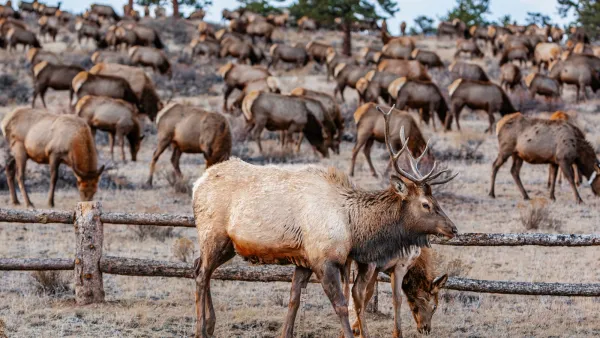
Colorado oil and gas land lease on public land could imperil nation's largest elk herd
The federal government approved the largest land lease to oil and gas interests in Colorado history.
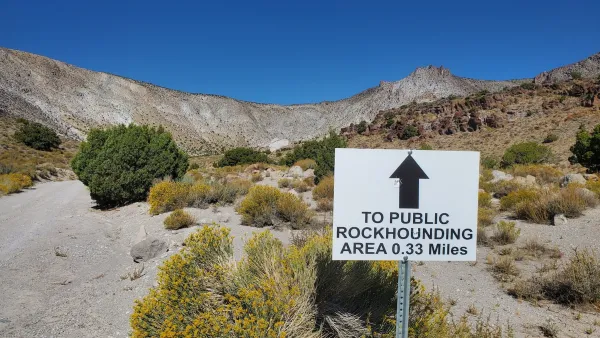
Supreme Court cements access to millions of acres of 'checkerboard' public land
A Tenth Circuit court ruled that private property owners can't prevent people from accessing 'corner-locked' public lands.
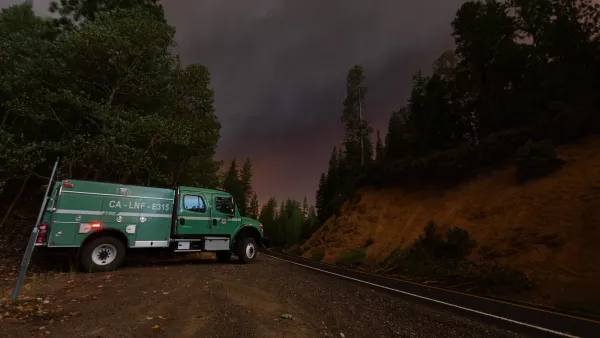
Study: Building More Forest Roads Would Quadruple Fire Risk
The administration plans to rescind the 2001 Roadless Area Conservation Rule, which protects close to 60 million acres of national forest lands from road development.

The state-sanctioned urbicide of Austin
People don’t kill cities. Freeways do.

US to reduce Colorado River water deliveries to Mexico
A new Colorado Treaty amendment reduces Mexico’s Colorado River water allocation by 250,000 acre feet.

New Jersey’s second-largest city bans standalone data centers
Jersey City will continue to allow co-location facilities, such as those meant for research institutions that store their own data.

Amtrak not solely to blame for New Jersey commuter rail's unreliability, report finds
A new study from the Garden State Initiative found that NJ Transit’s budget grew 20% across a 4 year period, but reliability declined significantly over the same period.

EPA erases limits on planet-warming pollution from power plants
Under Monday’s plan, power plants would still have some limits on how much mercury, arsenic and other contaminants they can emit.

Phoenix announces new on-demand transit service, more frequent RAPID buses
Both new services will launch in October, and are part of Phoenix's Project Effective Access Solutions for Easing Congestion.

FREE Course: Walkable City 1: Why Walkability?
After describing his path towards focusing on walkability as the essence of good planning, Jeff Speck marches through his five principal reasons for making more walkable places.
Reinventing Malls: Planning Alchemy—Turning Gray Fields Into Gold
The course focuses on the opportunities and imperatives that shape reinvention of mall sites.

Eagle County Government
Harvard University Graduate School of Design
Nashville Planning Department
The Architects Foundation
University of Cincinnati Online
The Pocatello Development Authority
The Urban Renewal Agency of the City of Pocatello
Journal of the American Planning Association