The project aims to prove that agriculture and solar energy production can work in tandem.


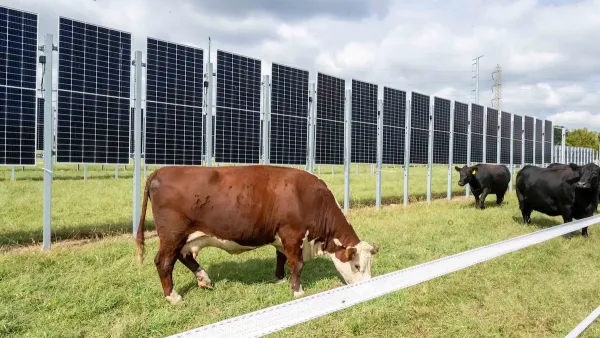
A Tennessee ranch is proving that cattle and renewable energy can coexist, reports Tammy Weber and Joshua Bickel for the Associated Press. The farm in Christiana, near Nashville, just debuted a solar project that lets cows graze on the grass beneath the panels, giving the land a double use.
But raising cows near solar panels comes with a unique set of problems when trying to protect both the massive animals and the solar infrastructure. Because solar panels typically have to tilt almost vertically to catch the sun at certain times of the day, this can often get in the way of cattle grazing beneath them. To solve this, Silicon Ranch raised the panels and developed software that lets workers adjust the panels to make room for cows. The workers then rotate cow herds to leave some panels to operate normally, generating roughly 5 megawatts of power for Middle Tennessee Electric.
The farm could become a model for agrivoltaic projects, which some farmers are skeptical of due to past practices that destroyed topsoil and took land out of production. Now, Silicon Ranch is finding that pasture under solar panels is more drought-resistant, while the shade makes animals less prone to heat stress. Farmers can earn about $1,000 an acre by leasing land for solar production, a significant bonus at a time when many U.S. farms are struggling to stay financially viable.
FULL STORY: Solar ranch in Tennessee aims to prove grazing cattle under the panels is a farmland win-win

New Jersey Agrivoltaic Project Combines Solar Energy With Farming
A Rutgers University-New Brunswick demonstration farm will evaluate solar array designs to understand how they can best support grazing and agriculture on the same site.
Rural Nevada Counties Struggle to Keep up with Solar Projects
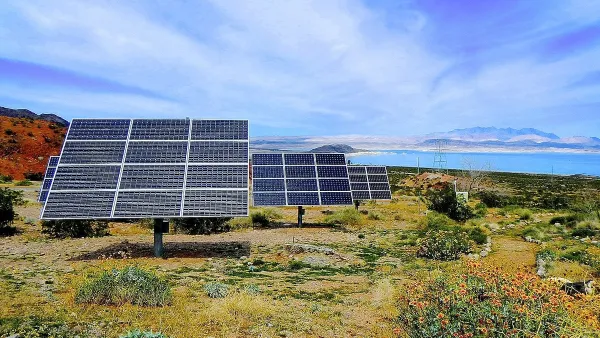
Local officials are calling for state regulations that would require federal land managers to enter agreements with local jurisdictions before moving forward with major renewable energy projects.
Solar Production Threatens Fertile Farmlands
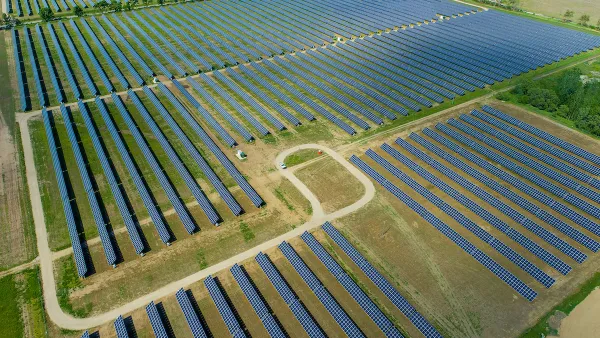
Solar installations are causing soil erosion and raising concerns among farmers in some of the nation’s most productive agricultural regions.

The state-sanctioned urbicide of Austin
People don’t kill cities. Freeways do.

US to reduce Colorado River water deliveries to Mexico
A new Colorado Treaty amendment reduces Mexico’s Colorado River water allocation by 250,000 acre feet.

New Jersey’s second-largest city bans standalone data centers
Jersey City will continue to allow co-location facilities, such as those meant for research institutions that store their own data.

Amtrak not solely to blame for New Jersey commuter rail's unreliability, report finds
A new study from the Garden State Initiative found that NJ Transit’s budget grew 20% across a 4 year period, but reliability declined significantly over the same period.

EPA erases limits on planet-warming pollution from power plants
Under Monday’s plan, power plants would still have some limits on how much mercury, arsenic and other contaminants they can emit.

Phoenix announces new on-demand transit service, more frequent RAPID buses
Both new services will launch in October, and are part of Phoenix's Project Effective Access Solutions for Easing Congestion.

FREE Course: Walkable City 1: Why Walkability?
After describing his path towards focusing on walkability as the essence of good planning, Jeff Speck marches through his five principal reasons for making more walkable places.
Reinventing Malls: Planning Alchemy—Turning Gray Fields Into Gold
The course focuses on the opportunities and imperatives that shape reinvention of mall sites.

Eagle County Government
Harvard University Graduate School of Design
Nashville Planning Department
The Architects Foundation
University of Cincinnati Online
The Pocatello Development Authority
The Urban Renewal Agency of the City of Pocatello
Journal of the American Planning Association