Galveston, Texas is growing — and so are questions about its land use strategy.



The historic Texas beach town of Galveston is undergoing a growth crisis, with residents wondering how multimillion-dollar developments will impact the town of 53,000, reports Chris Gray in the Houston Chronicle.
City officials and residents are now questioning the city’s 15-year-old comprehensive plan, which some say is out of date for the town’s modern growth needs. “Galveston last updated its comprehensive plan in October 2011. Back then, the city was gradually recovering from the heavyweight blow Hurricane Ike had dealt three years earlier,” Gray explains.
Now, residents worry that the zoning plan skews too much in the favor of big developers and could threaten local environmental and cultural resources such as the island’s endemic coyote/red wolf hybrids, known as “ghost wolves.”
The city hired a firm to update its comprehensive plan in 2025, but has released little information about it since. According to City Councilmember Bob Brown, “It's hard to get people motivated when you say, 'Do you want to volunteer to help us craft the comprehensive plans?” But he hopes that “if you say it in such a way as, ‘this is going to result in the regulations that will run your life here on the island someday,’ it may make a difference.”
Read the full story: Galveston is growing fast. Its zoning is living in the past, many say.


Missoula Aims for Equity With Development Code Updates
The “Our Missoula Development Guide” is getting an update as the Montana deals with the contemporary pressures of population growth and gentrification.

Seattle Ponders a New Approach to Zoning for its Comprehensive Plan Update
The city of Seattle will have an updated comprehensive plan by the end of 2024, with zoning changes to follow by 2025.
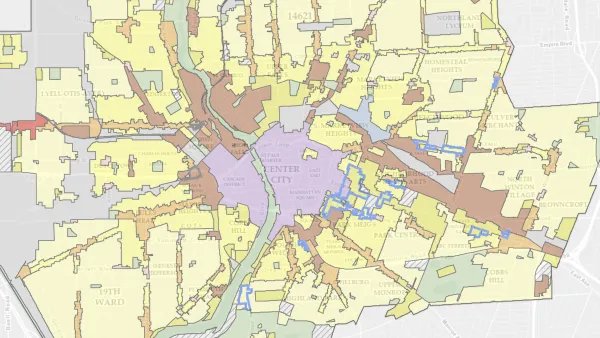
Rochester, New York Drafts a Zoning Map to Match its New Comprehensive Plan
The Rochester 2034 Zoning Alignment Project is implementing the award-winning Rochester 2034 Comprehensive Plan.

Planetizen Federal Action Tracker
A weekly monitor of how Trump’s orders and actions are impacting planners and planning in America.

California plans to bury El Niño’s downpour
If the state plays its cards right, it may be able to store a billion acre-feet of El Niño’s water in aquifers.

Chicago breaks ground on $3 billion megadevelopment
The new neighborhood, titled Foundry Park, will one day host 3,700 residences.

California High-Speed Rail Authority CEO resigns after $600,000 scandal
Under Ian Choudri, the authority used taxpayer dollars to fund first class flights and trips to nightclubs.

Want to study the Missouri River? Soon, you may need unanimous approval from 10 states
Legislation would require 10 governors’ permission to study or build projects moving water outside the basin.

Desperate measures: Advocates weigh draining Lake Powell to fill Colorado River
Draining the reservoir could reduce evaporation losses by a couple hundred thousand acre-feet.

FREE Course: Walkable City 1: Why Walkability?
After describing his path towards focusing on walkability as the essence of good planning, Jeff Speck marches through his five principal reasons for making more walkable places.
Reinventing Malls: Planning Alchemy—Turning Gray Fields Into Gold
The course focuses on the opportunities and imperatives that shape reinvention of mall sites.

City of Rosemead
Rutgers University, Edward J. Bloustein School of Planning and Public Policy
One Hundred Miles
Hunter College, City University of New York (CUNY)
The Architects Foundation
University of Cincinnati Online
City of Cambridge
Montrose County
The Pocatello Development Authority