The city’s affordable housing stock is rapidly disappearing.


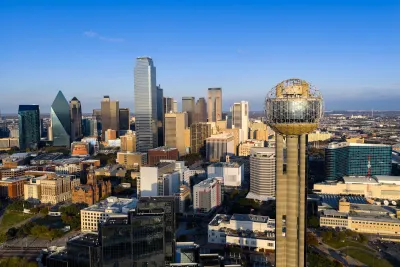
A report from the nonprofit Child Poverty Action Lab reveals that housing costs are becoming more unaffordable for Dallas residents, reports Joshua Fechter in The Texas Tribune.
“The city, the report found, faces a deep shortage of rental homes affordable to families making 50% of the area median income, $52,000 for a family of four, or less — and that shortage has grown at a blistering clip.” Dallas is short roughly 46,000 rental homes for households at or below that income level as of 2023, the report adds.
In other words, for every 100 households at the middle income level, Dallas has only 60 rental units they can afford. “Half of the city’s renters were considered “cost-burdened” in 2023, meaning they spend more than 30% of their income on keeping a roof over their heads.”
The report notes that the supply of units that rent for below $1,000 per month has “evaporated,” with the city losing 51,000 of those homes between 2021 and 2023. While the city added 8,400 new apartments in 2024, homebuilding has slowed in the region.
Read the full story: Dallas’ affordable housing supply is evaporating, report finds
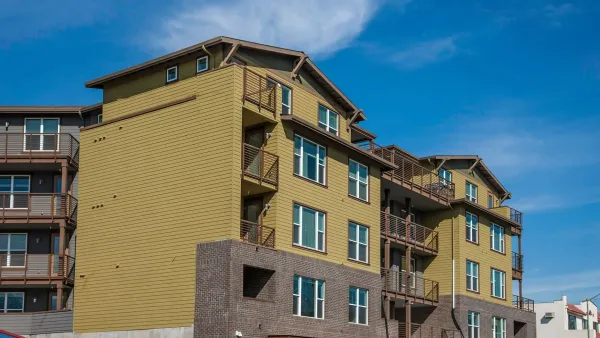
Oakland opens first affordable housing for teachers
The school district says 70% of its teachers can't afford to live in Oakland.
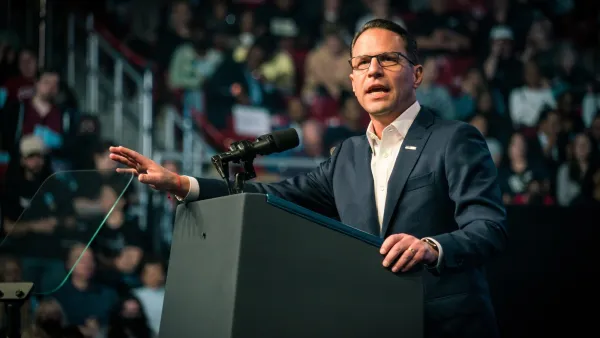
Pennsylvania Housing Action Plan Calls for $1B Fund, Expanded Renter Protections, Homebuyer Assistance
Gov. Shapiro’s proposed plan would bolster support for renters and homebuyers and reduce barriers to housing development.
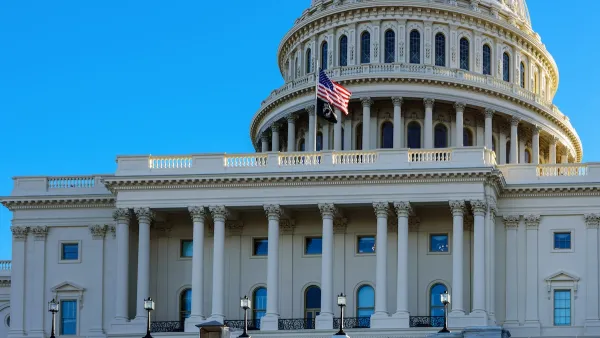
Senate Passes Major Housing Bill During Shutdown
The ROAD to Housing Act is a broad-ranging plan aimed at streamlining housing production and increasing affordability.

Planetizen Federal Action Tracker
A weekly monitor of how Trump’s orders and actions are impacting planners and planning in America.

Washington state to charge fee to drivers with fuel-efficient cars
Revenue from the fee will go towards supporting the state’s highways.

Illinois considers spending $1 billion in taxpayer money on data center
A quantum computing campus and data center are currently under construction in Chicago.

Trump to blast ‘hydrocarbon highway’ through ‘world’s longest art gallery’
Environmental and historic preservation groups are suing to stop the project.

25 states cast bids to be the home of U.S. Space Academy
The academy will train scientists, officers and astronauts for the U.S. Space Force.

Trump’s emergency orders to resuscitate coal plants cost ratepayers $593 million
Keeping coal plants on life support in Florida has cost ratepayers there $25.6 million.

FREE Course: Walkable City 1: Why Walkability?
After describing his path towards focusing on walkability as the essence of good planning, Jeff Speck marches through his five principal reasons for making more walkable places.
Reinventing Malls: Planning Alchemy—Turning Gray Fields Into Gold
The course focuses on the opportunities and imperatives that shape reinvention of mall sites.

City of Charlotte
City of Rosemead
Rutgers University, Edward J. Bloustein School of Planning and Public Policy
University of Michigan School for Environment and Sustainability (SEAS)
Hunter College, City University of New York (CUNY)
The Architects Foundation
University District Partnership