People with medical debts are more likely to have trouble paying rent or face eviction.



A new study reveals that Americans with medical debt have a 44 percent higher chance of experiencing housing problems in the next year, reports Mark Huffman in Consumer Affairs.
The study from Johns Hopkins Bloomberg School of Public Health found that “Of the 240 participants who said they had medical debt in 2024, 60 reported experiencing housing instability the following year. Renters were particularly affected, accounting for about two in five adults with medical debt in 2025.”
Financial stressors affect health and well-being in other ways, in many cases preventing people from accessing mental health care and medical treatments. “Some surveys have found that medical bills are the most common financial factor cited by individuals who file for bankruptcy, though the exact share is hard to determine.”
FULL STORY: Medical debt linked to housing instability

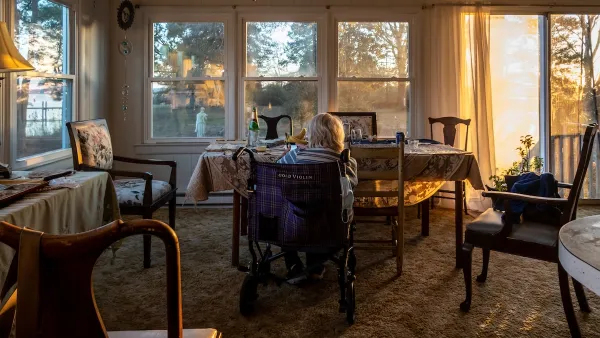
Homelessness Among Maryland Seniors Rose 77 Percent Since 2018
The high cost of housing is pushing many older adults into homelessness, while shelters are not equipped to address their specific needs.

High Housing Costs Top of Mind for Voters
More and more Americans fear they won’t be able to afford housing.
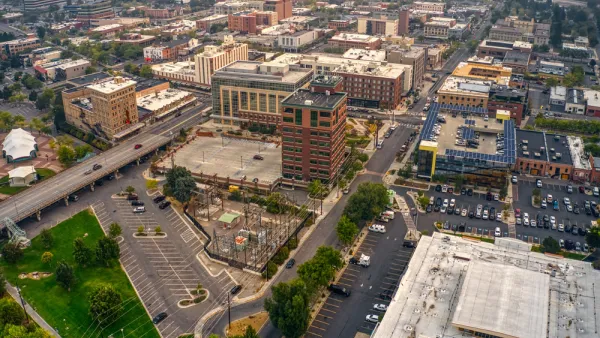
Montana Legislature Considering Historic Package of Pro-Housing Development Bills
State legislators agree the cost of housing is a growing problem, but there is little consensus on how to boost the supply of affordable housing.

Planetizen Federal Action Tracker
A weekly monitor of how Trump’s orders and actions are impacting planners and planning in America.

The state-sanctioned urbicide of Austin
People don’t kill cities. Freeways do.

US to reduce Colorado River water deliveries to Mexico
A new Colorado Treaty amendment reduces Mexico’s Colorado River water allocation by 250,000 acre feet.

Guerilla urbanists are building DIY bus stop benches in Chicago
A before-and-after of one of the bus stops with a new bench. The new benches are not officially sanctioned or permitted, but the residents who placed them hope they will be the start of a network of DIY benches across the city.

Mamdani overhauls NYC's Vision Zero plan with 100 new policy goals
The overhaul aims to reduce traffic deaths and make streets safer for pedestrians, cyclists and drivers through lower speed limits, new safety infrastructure and more.

Amtrak not solely to blame for New Jersey commuter rail's unreliability, report finds
A new study from the Garden State Initiative found that NJ Transit’s budget grew 20% across a 4 year period, but reliability declined significantly over the same period.

FREE Course: Walkable City 1: Why Walkability?
After describing his path towards focusing on walkability as the essence of good planning, Jeff Speck marches through his five principal reasons for making more walkable places.
Reinventing Malls: Planning Alchemy—Turning Gray Fields Into Gold
The course focuses on the opportunities and imperatives that shape reinvention of mall sites.

Eagle County Government
Harvard University Graduate School of Design
Nashville Planning Department
The Architects Foundation
University of Cincinnati Online
The Pocatello Development Authority
The Urban Renewal Agency of the City of Pocatello
Journal of the American Planning Association