The relationship between housing costs and second home ownership rates is complicated.


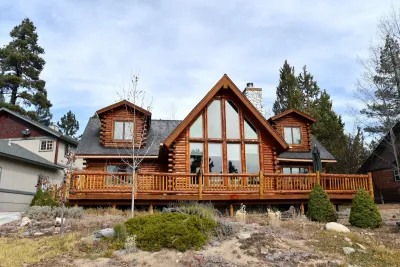
In rural areas, vacancy rates don’t indicate low housing demand, reports Sarah Melotte in The Daily Yonder.
Although roughly 19 percent of housing units in nonmetropolitan areas are vacant, “In nonmetro counties with economies dependent on recreation, a larger percentage of the housing stock is allocated towards seasonal use compared to rural counties with economies dependent on other industries.”
In areas dependent on tourism, high rates of second home ownership mean that vacant housing doesn’t indicate a lack of demand. “While 27% of the vacant units are second homes in metro counties, 47% of the vacant units in nonmetro counties are second homes.”
According to a report from Headwater Economics, the impact is small: “A 10% increase in the share of housing units that are second homes only resulted in a 0.4% increase in earnings spent on mortgages and a 0.3% increase in earnings spent on rent in nonmetropolitan counties.” The report notes that the rate of net migration is the variable with the strongest effect on housing costs, not second home ownership. “As rural places develop robust economies that drive prosperity and growth, they become more desirable to everyone – second homeowners and long-term residents alike.”
FULL STORY: What Do Vacancies Tell Us About Rural Housing Costs? It’s Complicated.

Rural Renters at Increased Risk of Eviction
Rural residents often have a harder time accessing legal assistance and eviction prevention resources.
Opinion: Federal Government Must Continue Supporting Rural Housing Program
The incoming Congress will have a say in bolstering — or harming — the only federal housing program focused on affordable housing in rural areas.

Running Rampant: How Short-Term Rentals Impact Communities With Loose Restrictions
Brendan O’Brien, author of “Homesick,” talks with us about his new book and what he's learned about the effects of short-term rentals in communities like Flagstaff, Arizona; Bozeman, Montana; and St. George, Utah.

Planetizen Federal Action Tracker
A weekly monitor of how Trump’s orders and actions are impacting planners and planning in America.

The state-sanctioned urbicide of Austin
People don’t kill cities. Freeways do.

US to reduce Colorado River water deliveries to Mexico
A new Colorado Treaty amendment reduces Mexico’s Colorado River water allocation by 250,000 acre feet.

5 New England states march closer to 800 megawatt wind energy project
Securing federal approval for the project may be complicated under the Trump administration, which has historically been hostile towards domestic wind power.

Baltimore to break ground on $50 million Transit Priority Project
The project will bring faster bus trips, safer streets and better bike connections to Baltimore.

Airbnb launches $250 million 'last-dollar financing' housing accelerator, makes first investment in Austin
The company will put $6.4 million towards affordable housing development in Texas’ capital.

FREE Course: Walkable City 1: Why Walkability?
After describing his path towards focusing on walkability as the essence of good planning, Jeff Speck marches through his five principal reasons for making more walkable places.
Reinventing Malls: Planning Alchemy—Turning Gray Fields Into Gold
The course focuses on the opportunities and imperatives that shape reinvention of mall sites.

Eagle County Government
Harvard University Graduate School of Design
Nashville Planning Department
The Architects Foundation
University of Cincinnati Online
The Pocatello Development Authority
The Urban Renewal Agency of the City of Pocatello
Journal of the American Planning Association