The Live Local Act offers incentives to developers who build affordable housing, but a patchwork of local enforcement means it’s not reaching its full potential.


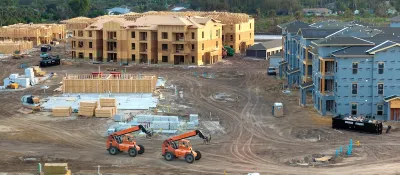
A 2023 Florida law has produced more than 3,100 new affordable housing units in the state, but not all local governments and developers are keen on the legislation, reports David Beasley in Florida Trend.
According to a report from Florida TaxWatch, the Live Local Act “requires that at least 40% of units in eligible projects remain affordable for 30 years, and it allows multifamily development in commercial, industrial, or mixed-use zones without rezoning, subject to administrative review.” Notably, the law also bars local governments from implementing rent control.
Localities can opt out of the incentives if they already have a surplus of affordable housing, Beasley explains. In other regions, developers have simply not applied to build any projects under the law. “TaxWatch recommends that the Florida legislature consider creating statewide tax credits, a corporate income tax homebuilders to encourage developers to build more affordable single-family homes and a state low-income tax credit for rental properties.”
FULL STORY: Study: Affordable housing act generates gains, ‘real friction’

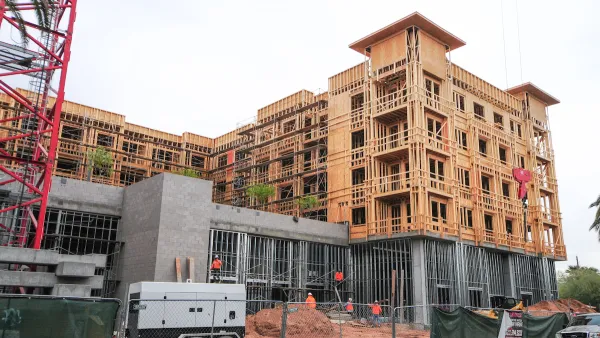
How to Improve the Low-Income Housing Tax Credit
With the housing shortage only getting worse, updates to a key federal program could help.
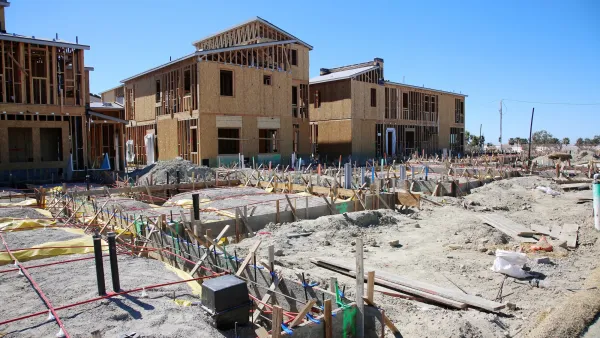
Less than 6% of California cities are building enough housing for very low-income households
Only five jurisdictions are on track to meet their housing goals for all income brackets.

Trump refuses to sign housing bill, throwing bipartisan agreement into limbo
The president's cancellation of the bill signing came as a shock to both sides of the political aisle.

The state-sanctioned urbicide of Austin
People don’t kill cities. Freeways do.

US to reduce Colorado River water deliveries to Mexico
A new Colorado Treaty amendment reduces Mexico’s Colorado River water allocation by 250,000 acre feet.

New Jersey’s second-largest city bans standalone data centers
Jersey City will continue to allow co-location facilities, such as those meant for research institutions that store their own data.

Amtrak not solely to blame for New Jersey commuter rail's unreliability, report finds
A new study from the Garden State Initiative found that NJ Transit’s budget grew 20% across a 4 year period, but reliability declined significantly over the same period.

EPA erases limits on planet-warming pollution from power plants
Under Monday’s plan, power plants would still have some limits on how much mercury, arsenic and other contaminants they can emit.

Phoenix announces new on-demand transit service, more frequent RAPID buses
Both new services will launch in October, and are part of Phoenix's Project Effective Access Solutions for Easing Congestion.

FREE Course: Walkable City 1: Why Walkability?
After describing his path towards focusing on walkability as the essence of good planning, Jeff Speck marches through his five principal reasons for making more walkable places.
Reinventing Malls: Planning Alchemy—Turning Gray Fields Into Gold
The course focuses on the opportunities and imperatives that shape reinvention of mall sites.

Eagle County Government
Harvard University Graduate School of Design
Nashville Planning Department
The Architects Foundation
University of Cincinnati Online
The Pocatello Development Authority
The Urban Renewal Agency of the City of Pocatello
Journal of the American Planning Association