The National Association of City Transportation Officials has spoken out on the ned to begin preparing for a future of automated vehicles.


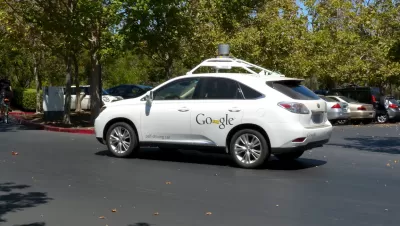
According to a press release, the National Association of City Transportation Officials (NACTO) "released a policy statement on automated vehicles, including its recommendations for incorporating this new disruptive technology into cities’ transportation networks"
The press release "urges" stakeholders at various levels of government and in the private sector to adopt five recommendations, all quoted directly from the press release:
- Plan for fully automated vehicles, not half-measures
- Rethink our streets and expressways
- Ensure safe operation on city streets, including limiting automated vehicles to a maximum speed of 25 miles per hour
- Create data-sharing requirements for automated vehicles
- Change planning models to incorporate the expected disruptive impact of this technology
NACTO's full policy statement is available online [pdf].
Read the full story: NACTO Releases Policy Recommendations for the Future of Automated Vehicles
'Cars Are Death Machines'
Not one, not two, but three articles in the past week paint dire portraits of the world that cars have created.
Autonomous Vehicles: Turn On, Tune In, Drop Out?
The implications of autonomous vehicles for social interactions are potentially vast.

Will First Fatality Affect the Development of Self-Driving Cars?
A May 7 crash of a Model S Tesla in Florida may have outsized implications for the future of driverless technology. The details of the single-fatality crash were made public in a June 30 blog by Tesla though they were reported immediately to NHTSA.

Desperate measures: Advocates weigh draining Lake Powell to fill Colorado River
Draining the reservoir could reduce evaporation losses by a couple hundred thousand acre-feet.

Eastern Nebraska is running out of electricity
Data centers and electrification are straining eastern Nebraska’s grid, throttling economic development.

Malls are becoming the midtowns of the future
Mall and office park redevelopments are a generational opportunity to create new nodes of urbanity.

NYC breaks ground on anti-flooding infrastructure project
New York City's new system will reduce stormwater flows to local sewers by 90%.

One Kentucky town’s secret to affordable housing
The Smoketown Community Land Trust has already built seven affordable homes for community members.

Houston gains petal-shaped cooling infrastructure to make streets more ‘delightful’
The city has installed the pavilions along 15 blocks in Houston.

FREE Course: Walkable City 1: Why Walkability?
After describing his path towards focusing on walkability as the essence of good planning, Jeff Speck marches through his five principal reasons for making more walkable places.
Reinventing Malls: Planning Alchemy—Turning Gray Fields Into Gold
The course focuses on the opportunities and imperatives that shape reinvention of mall sites.

City of Rosemead
Rutgers University, Edward J. Bloustein School of Planning and Public Policy
One Hundred Miles
University of Michigan School for Environment and Sustainability (SEAS)
Hunter College, City University of New York (CUNY)
The Architects Foundation
City of Cambridge
Montrose County
The Pocatello Development Authority