It might be hard to believe if you're in Boston right now, but the entire West Coast is suffering a poorly timed dearth of snow, a critical source of drinking water and hydroelectric capacity for the region.


Even the notoriously waterlogged Washington State is teetering on the edge of drought, according to an article by Kie Relyea, with the state’s snowpack at about 29 percent of normal.
Relyea cites Scott Pattee, water supply specialist for the Natural Resources Conservation Service in Mount Vernon, who explains that the North Cascades would need 357 percent of normal snowfall between now and April 7 to catch up the average yearly snowpack. "That’s just not going to happen. Catching up is not even a dream any more," says Pattee.
Relyea breaks down the snowpack totals as follows:
- The Skagit River Basin is 62 percent of normal.
- The Baker River Basin is 22 percent of normal.
- The Nooksack River Basin is 15 percent of normal.
Those basins are of particular important to residents of the state's largest city, who count on snowmelt from those basins for hydroelectric capacity generated by Puget Sound Energy and Seattle City Light.
Read the full story: Snowpack in state and North Cascades well below normal

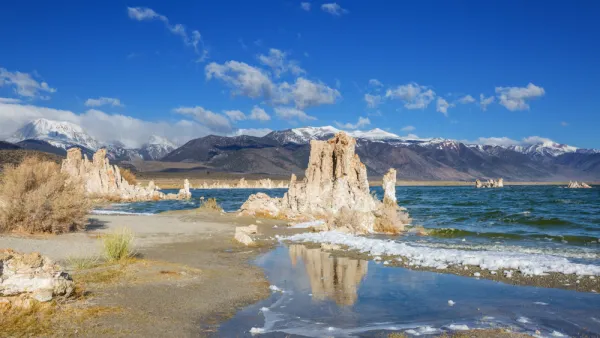
Los Angeles (and Climate Change) Seriously Threaten Air Quality at Mono Lake
With water levels habitually low, officials from the Eastern Sierra say they are "headed for a showdown” with L.A.
Where Climate Change Means Diminished Snowpacks, Water Supplies
A new study by researchers at Columbia University estimates how predicted changes in the levels and locations of snowfall will affect water supplies.
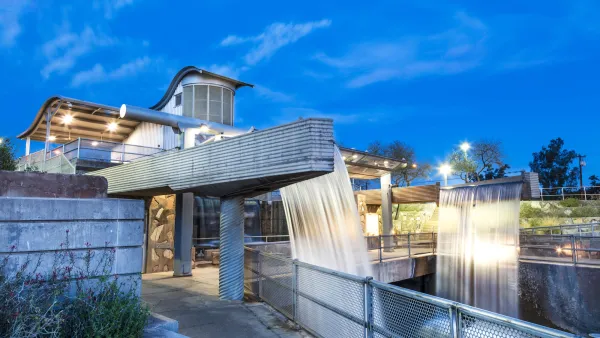
Phoenix and Tucson create emergency water reserve, anticipating Colorado River cuts
The Secure Water Arizona Program will allow participating cities to use a reserve of water or make agreements to buy it from other jurisdictions.

Planetizen Federal Action Tracker
A weekly monitor of how Trump’s orders and actions are impacting planners and planning in America.

California plans to bury El Niño’s downpour
If the state plays its cards right, it may be able to store a billion acre-feet of El Niño’s water in aquifers.

Chicago breaks ground on $3 billion megadevelopment
The new neighborhood, titled Foundry Park, will one day host 3,700 residences.

One of Denver’s busiest corridors to gain BRT
The project will span 18 miles and contain 74 bus rapid transit stations.

275,000 bus trips are at stake on Seattle's ballot
If passed, the Seattle Transit Measure would trigger a 0.3% sales tax and raise an average of $138 million per year to maintain and expand Seattle’s bus services.

Texas may pay Israeli company billions to ease water woes
Texas awarded IDE Technologies the contract for its Harbor Island project, which is slated to become the Western Hemisphere's largest desalination plant.

FREE Course: Walkable City 1: Why Walkability?
After describing his path towards focusing on walkability as the essence of good planning, Jeff Speck marches through his five principal reasons for making more walkable places.
Reinventing Malls: Planning Alchemy—Turning Gray Fields Into Gold
The course focuses on the opportunities and imperatives that shape reinvention of mall sites.

City of Rosemead
Rutgers University, Edward J. Bloustein School of Planning and Public Policy
One Hundred Miles
Hunter College, City University of New York (CUNY)
The Architects Foundation
University of Cincinnati Online
City of Cambridge
Montrose County
The Pocatello Development Authority