Nour Aoude examines the planning efforts behind Ottawa's new Confederation light rail line, which will replace sections of the over-used Transitway bus rapid transit line.


Ottawa is planning to begin light rail service on the new Confederation Line in 2018, with the Western LRT replacing service along a section of the current Transitway bus rapid transit system that spans the city.
As Nour Aoude reports, the Transitway was originally constructed with an eventual transition to rail in mind. "The impression was that it would be cheaper to build BRT first, and then convert to LRT. However, the high costs of operating and replacing buses over the years, and of converting the Transitway to light rail ($540 million for the Confederation Line alone) have put this wisdom into question. Today, it seems that building LRT from the start might have saved costs in the long run."
Aoude's coverage of the issue also includes discussion of the outreach that will be necessary to educate the public about the benefits of rail and the hopes for development along the line.
Read the full story: We Have LRT, Now What? Ottawa’s Next Transit Challenge
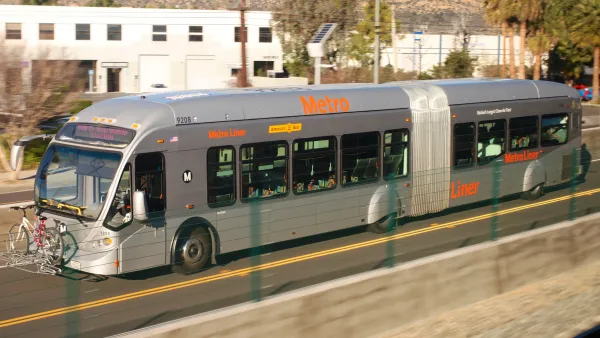
Funding for Two Transit Projects Approved for the Valley in Los Angeles
Local funding for a new light rail line and upgrades to the G Line (née Orange Line) bus rapid transit route have been approved for the San Fernando Valley in Los Angeles.
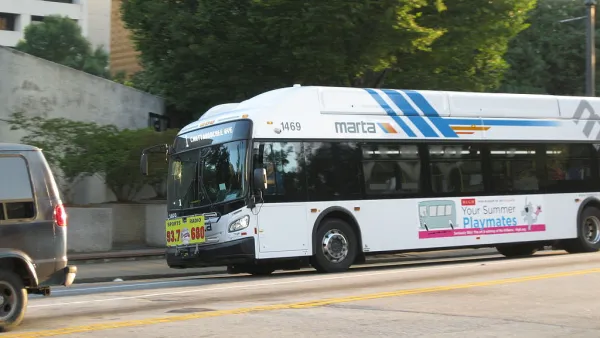
Light Rail Plans Could Become Bus Rapid Transit Plans in Atlanta
Light rail on the Clifton Corridor was once a centerpiece of a $2.7 billion, 40-year transit expansion plans funded by a voter-approved sales tax. Now MARTA is considering using bus rapid transit on the corridor instead.
Major Transit Openings Expected in 2021
All the heavy rail, light rail, bus rapid transit, and commuter rail projects expected to open in North American in 2021.

Planetizen Federal Action Tracker
A weekly monitor of how Trump’s orders and actions are impacting planners and planning in America.

Washington state to charge fee to drivers with fuel-efficient cars
Revenue from the fee will go towards supporting the state’s highways.

Illinois considers spending $1 billion in taxpayer money on data center
A quantum computing campus and data center are currently under construction in Chicago.

‘Demolition of our heritage:’ Some US tribes speak out against BAAJA
A coalition of indigenous groups in the United States are concerned about provisions in the bill that may weaken their ability to halt large energy projects.

How LA’s new mayor plans to tackle affordable housing crisis
Mayor-elect Nithya Raman has proposed overhauling the city’s permitting process.

Interactive map reveals Pennsylvania's abandoned oil, gas wells — many on residential property
It is difficult for residents to know if a well is near their home, or if it poses a threat to them.

FREE Course: Walkable City 1: Why Walkability?
After describing his path towards focusing on walkability as the essence of good planning, Jeff Speck marches through his five principal reasons for making more walkable places.
Reinventing Malls: Planning Alchemy—Turning Gray Fields Into Gold
The course focuses on the opportunities and imperatives that shape reinvention of mall sites.

City of Charlotte
City of Rosemead
Rutgers University, Edward J. Bloustein School of Planning and Public Policy
University of Michigan School for Environment and Sustainability (SEAS)
Hunter College, City University of New York (CUNY)
The Architects Foundation
University District Partnership