Texas is the largest wind power producer in the United States, but its recent capacity efforts have broken records. And there are more megawatts on the way.


Texas’ position as worldwide leader in wind power was confirmed at the end of March, when the state’s wind power operations set two records. “At 8:48 pm [March 26], wind power was feeding 10,296 megawatts of power into the state’s electricity grid, according to the Electric Reliability Council of Texas, blowing past the previous record of 9,681 megawatts. The 10.3 gigawatts of wind power worked out to nearly 29 percent of all power consumed in the state at the time,” writes Smith.
“The following morning, on Thursday, Mar. 27, Texas hit a wind power share record, when an unprecedented 38.43 percent of the state’s power came from windmills (unprecedented for Texas at least — wind power production in Denmark has at times exceeded the country’s total demand for electricity…”
In more signs of how thoroughly Texas has adopted win power as an essential component of its electricity grid, Houston is the country’s largest municipal purchaser of renewables and Austin and Dallas are the third and fourth, respectively.
“At present, there are more than 12 gigawatts of installed wind capacity in the state — that’s more than the mandated 10 gigawatts by 2025 according to the state’s renewable portfolio standard. Another 8 gigawatts are planned or under construction, in addition to more than 26 gigawatts being considered in a more tenative [sic] manner.”
Smith’s coverage of Texas’ wind power infrastructure includes analysis of the Competitive Renewable Energy Zones initiative and the benefits of the renewables business for companies like Berkshire Hathaway.
Read the full story: Texas Sets a Wind Power Record (or Two)
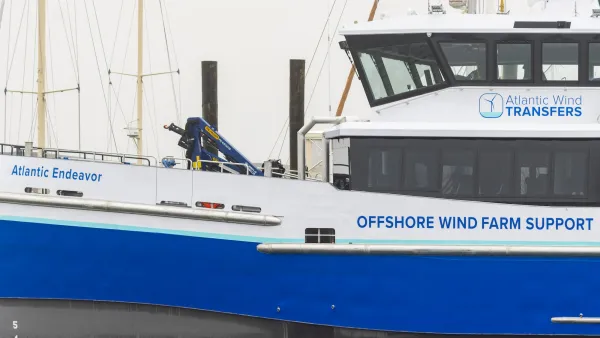
Nation’s Largest Offshore Wind Project, Suspended by Trump, Restarts Construction
A judge issued a temporary restraining order against the Trump administration’s suspension of five East Coast offshore wind projects.
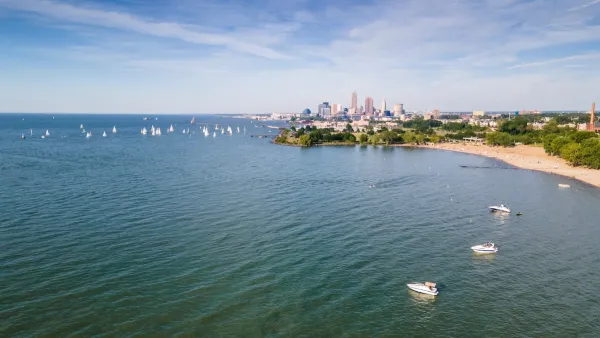
Op-Ed: The Great Lakes Could Be a Key Source of Wind Energy
States, not the federal government, have authority over wind power leases in the Great Lakes.

Washington Tribes Oppose Wind Project
Tribal communities claim that a major wind energy project threatens sensitive cultural and environmental resources.

Planetizen Federal Action Tracker
A weekly monitor of how Trump’s orders and actions are impacting planners and planning in America.

Eastern Nebraska is running out of electricity
Data centers and electrification are straining eastern Nebraska’s grid, throttling economic development.

Study reveals best places in the U.S. for cycling, walking
New research from Streetlight Data examines bicycle and pedestrian miles per capita in the 100 largest U.S. cities by population.

Federal government nominates new FTA administrator
Mark Aesch is currently the founder and CEO of a transportation management consulting firm.

Developers reveal $10 billion stadium plan as ‘Hail Mary’ to keep Bears in Chicago
The plan would also boast a public park, high- and mid-rise buildings and a youth sports complex.

As Texas embraces carbon storage, a Black community questions the risks
Texas now issues permits for companies to store carbon dioxide underground. East Texas residents fear safety risks, and skeptics doubt the climate benefits.

FREE Course: Walkable City 1: Why Walkability?
After describing his path towards focusing on walkability as the essence of good planning, Jeff Speck marches through his five principal reasons for making more walkable places.
Reinventing Malls: Planning Alchemy—Turning Gray Fields Into Gold
The course focuses on the opportunities and imperatives that shape reinvention of mall sites.

City of Charlotte
City of Rosemead
Rutgers University, Edward J. Bloustein School of Planning and Public Policy
University of Michigan School for Environment and Sustainability (SEAS)
Hunter College, City University of New York (CUNY)
The Architects Foundation
City of Cambridge
The Pocatello Development Authority
The Urban Renewal Agency of the City of Pocatello