Tiny houses aren’t just for eco-warriors. They can also be a means for homeless and mentally ill individuals to reenter mainstream society.


Eve Andrews points to several tiny house communities that depart from the affluent-hipster stereotype. There’s Community First! Village, the combo RV/tiny-house development for homeless and low-income residents that will soon break ground near Austin, Texas. Quixote Village, in Olympia, Washington, targets people transitioning out of homelessness.
These success stories aside, municipal zoning and building codes stand in the way of a tiny-house revolution. Community First! Village, for instance, is located outside Austin proper because of building code restrictions. “[A]s tiny houses are viewed less and less as the hermetic retreats of antisocial weirdos, and more as a viable basis for sustainable, community-driven living, it would seem to behoove cities interested in greening themselves to sit up and start paying attention,” writes Andrews.
Read the full story: How tiny house communities can work for both the haves and the have-nots

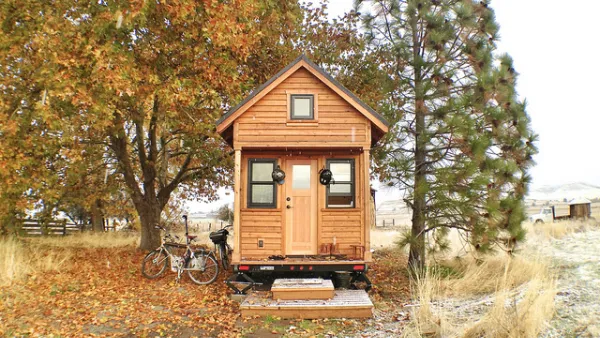
Tiny House Movement Pushing the Boundaries of Traditional Zoning
Tiny Houses on trailers are available and buyers are ready to live small, but most zoning regulations don’t allow recreational vehicles as a permanent residence. Can zoning catch up to the tiny living trend?
Tiny Houses Shelter the Homeless in Wisconsin
Cheap construction materials, crowdfunding, and volunteer construction crews have produced villages of tiny homes as a place for the homeless to find shelter in every corner of the United States. What does it take for such homes to work?
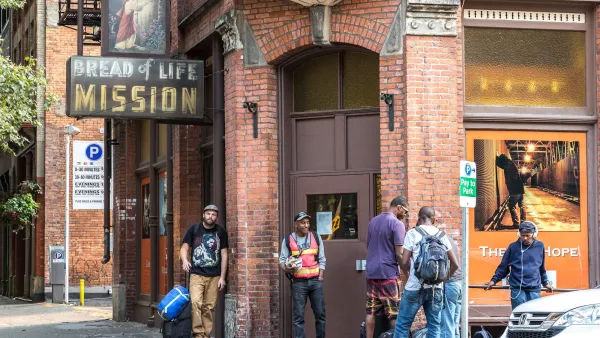
Seattle mayor pledges to build 500 shelter units by June
The Seattle Times editorial board expresses cautious optimism about the mayor's ambitious supportive housing plan.

Planetizen Federal Action Tracker
A weekly monitor of how Trump’s orders and actions are impacting planners and planning in America.

Data reveals that NYC’s bet on congestion pricing has paid off
After almost two years of the program, reports show positive impacts on traffic and air quality and no disruptions to parking.

HUD modernizes 50-year-old manufactured housing framework
The Next Generation Manufactured Housing Action Plan establishes new energy-efficiency standards for manufactured homes, and new guidelines for anchoring them.

Small single-family homes are illegal in most of MA. Voters can change that
Most land zoned for single-family housing in Massachusetts requires at least 40,000 square feet of land per house.

Public steps inside U.S.’s first battery-powered train
Metra’s groundbreaking train feature modern seats and a futuristic battery car.

Companies show off AI technology, new innovation hubs at APTA Expo
Nearly 700 companies attended the American Public Transportation Association’s Expo last week, which happens once every three years.

FREE Course: Walkable City 1: Why Walkability?
After describing his path towards focusing on walkability as the essence of good planning, Jeff Speck marches through his five principal reasons for making more walkable places.
Reinventing Malls: Planning Alchemy—Turning Gray Fields Into Gold
The course focuses on the opportunities and imperatives that shape reinvention of mall sites.

One Hundred Miles
County of Mendocino
planning NEXT
The Architects Foundation
University of Cincinnati Online
Montrose County
Northern Illinois Transit Authority (NITA)
The Pocatello Development Authority