It is probably fair to say that most people think urban landscapes are at their best in the warm months. They may be right. But after a recent tromp through a frigid Manhattan, I am reminded how great cities can be in winter.


On a recent work trip to New York City, I took some extra time out to see some of the recent landscapes that have been built since I was up there last. I have been to NYC a lot, and even lived there for a while, but there is always something new for a landscape architect to see – especially lately.
I set the goal for myself to see as many places as possible – new ones and old favorites – in a 24-hour period. I was not out to experience some grand epiphany about the urban landscape but, rather, I wanted to see these places as they exist in the real world – the frigid world – and not as typically displayed in design magazines, where they are professionally photographed in full bloom and full of happy people.
So what you see next are my impressions - in sequence - of a cold, snowy Manhattan from Friday afternoon to Saturday afternoon – a composite view of the character, diversity and, yes, the beauty that I discovered in what is perhaps the most dynamic urban landscape in the world.


Grand Army Plaza, Midtown East


Chelsea Waterside Park, Hudson River Park, Chelsea


Riverside Park, Upper West Side
So take from this what you will. I could go on and on about what I saw - the relative, hollow emptiness of spaces typically full in better weather, the structure and power of bare trees, the palpable relationship between landscape and architecture in winter, the resurrection of a forgotten urban grittiness, and so on. But, for once, I will let the imagery do the talking and leave it be...until next month, at least.
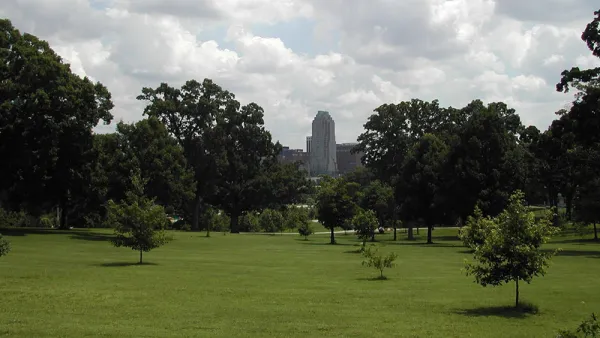
Anatomy of a Shortlist: Chasing the Design for Dix Park
Raleigh, NC has hopes for turning 300 acres of land near its downtown into a beautiful park. Elite landscape architecture firms are eager to help, and selecting the right one for the job won't be easy.
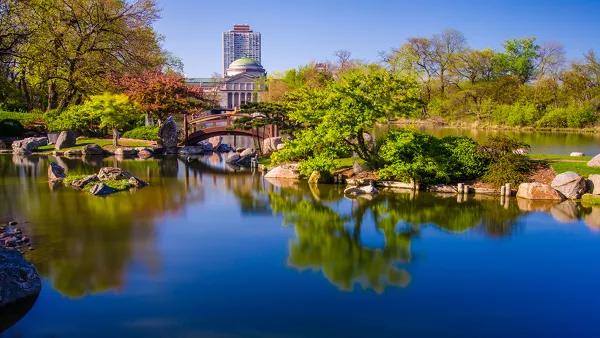
The Colliding Legacies of Olmsted and Obama
Architects will soon be hired to design Obama's presidential library in Chicago. It may turn out to be a beautiful building, but will it be worth all that is lost in the process?
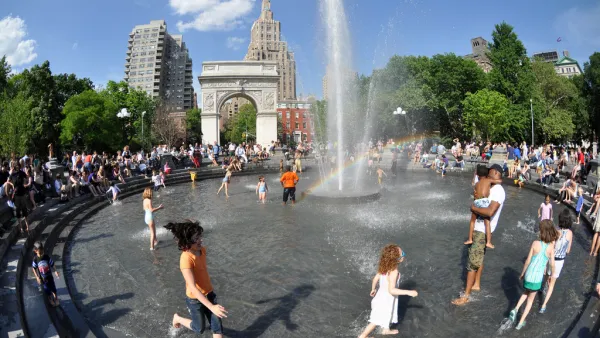
Parsing the Urban Landscape
A lot of people think exclusively of plants when they hear the term landscape. Without a common language to effectively describe it, the role landscape plays in the urban realm will remain undervalued.

Desperate measures: Advocates weigh draining Lake Powell to fill Colorado River
Draining the reservoir could reduce evaporation losses by a couple hundred thousand acre-feet.

Eastern Nebraska is running out of electricity
Data centers and electrification are straining eastern Nebraska’s grid, throttling economic development.

Move over, LA: St. Louis gears up for Olympics, invests millions in downtown redevelopment
The Missouri city will host the 2028 Olympic soccer group stage and knockout matches.

Mass. votes against statewide minimum lot size for single-family homes
Over 2 million residents voted on Question 7; it was decided by just over 30,000 votes.

Maryland’s $15 billion bridge project gains key approval
The Maryland Transit Authority said the project will create over 60,000 jobs and add $23 billion to the local economy.

‘No clear next steps’ for Chicago's permanent festival grounds
Eleventh Ward Ald. Nicole Lee has suggested Soldier Field as a possible location for the permanent event space.

FREE Course: Walkable City 1: Why Walkability?
After describing his path towards focusing on walkability as the essence of good planning, Jeff Speck marches through his five principal reasons for making more walkable places.
Reinventing Malls: Planning Alchemy—Turning Gray Fields Into Gold
The course focuses on the opportunities and imperatives that shape reinvention of mall sites.

City of Rosemead
Rutgers University, Edward J. Bloustein School of Planning and Public Policy
One Hundred Miles
University of Michigan School for Environment and Sustainability (SEAS)
Hunter College, City University of New York (CUNY)
The Architects Foundation
City of Cambridge
The Pocatello Development Authority
The Urban Renewal Agency of the City of Pocatello

