The City of Davis has introduced a new tiered bicycle fine system to encourage officers to issue more tickets to those that break the rules. They hope more tickets will result in more safety and more cycling.


With fines as high as $200, Davis officers are more likely to issue warnings rather than citations to bicyclists, many of whom attend UC Davis, for bike infractions.
By introducing a new tiered bicycle fine system, the City hopes the less expensive penalties for first-time offenders ($50) will encourage officers to issue more tickets, which would subsequently encourage bicyclists to more often comply with bike laws and help reduce the number of bike-related accidents.
The most common bike violations were running stop signs, talking on a cellphone, and wearing headphones. "The goal is education and promotion of cycling," Davis Mayor Joe Krovoza said. "Overly onerous penalties don’t meet that goal."
Fines for biking under the influence of alcohol were not affected.
Read the full story: Davis Adopts New Bicycle Fines after Public Backlash
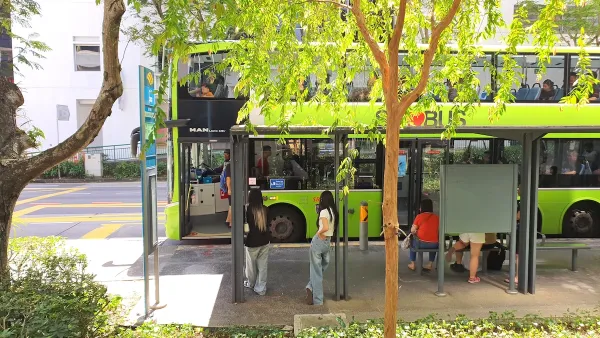
Eating, littering on Singapore buses now a fineable offense
Passengers who put other riders in danger may be charged thousands of Singapore dollars.
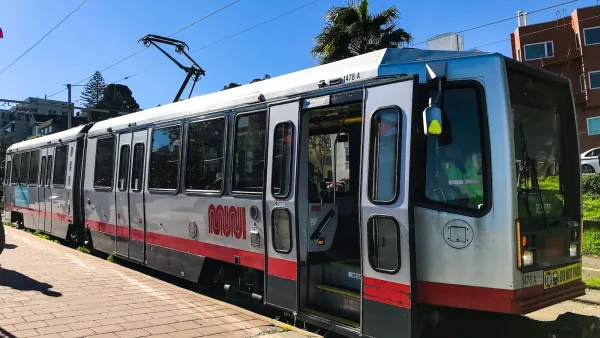
San Francisco cyclists push to allow bikes on Muni trains
The agency is one of few that bans bikes from its trains due to space constraints.
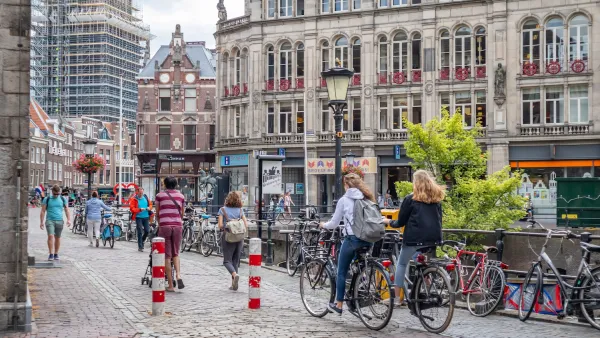
2025's 30 Most Bike-friendly Cities
Copenhagenize has released its list of top cities for cyclists. Spoiler alert: the United States doesn’t make the list.

Washington state to charge fee to drivers with fuel-efficient cars
Revenue from the fee will go towards supporting the state’s highways.

Illinois considers spending $1 billion in taxpayer money on data center
A quantum computing campus and data center are currently under construction in Chicago.

Trump to blast ‘hydrocarbon highway’ through ‘world’s longest art gallery’
Environmental and historic preservation groups are suing to stop the project.

NYC, state sue feds over mixed-immigration-status housing assistance rule
The state’s lawsuit argues that the rule change violates the Administrative Procedure Act.

Michigan to turn neighborhood into virtual power plant
Residents will soon be able to divert their excess energy to the grid in exchange for compensation.

Data center, mining project swarm to long-awaited Alaska railroad line
The state-owned railroad approved final plans for the spur line this week; the project is expected to cost $311 million, mostly funded by the federal government

FREE Course: Walkable City 1: Why Walkability?
After describing his path towards focusing on walkability as the essence of good planning, Jeff Speck marches through his five principal reasons for making more walkable places.
Reinventing Malls: Planning Alchemy—Turning Gray Fields Into Gold
The course focuses on the opportunities and imperatives that shape reinvention of mall sites.

City of Charlotte
City of Rosemead
Rutgers University, Edward J. Bloustein School of Planning and Public Policy
University of Michigan School for Environment and Sustainability (SEAS)
Hunter College, City University of New York (CUNY)
The Architects Foundation
University District Partnership