


















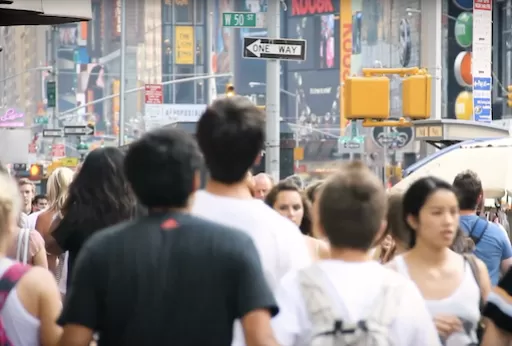
Matthew Power profiles Bradley L. Garrett, Ph.D. and his "research subjects," who are active participants in the urban explorer movement, which aims to "rediscover, reappropriate, and reimagine the urban landscape."


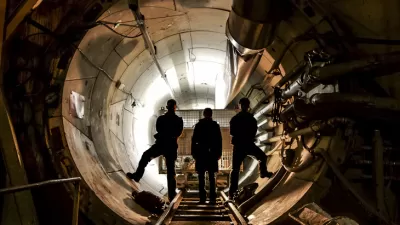
As Power explains, Garrett has a close relationship with his academic research. "His dissertation in human geography, which he had defended the previous year, was entitled 'Place Hacking.' The title came from his argument that physical space is coded just like the operating system of a computer network, and it could be hacked—explored, infiltrated, re-coded—in precisely the same ways."
"He conducted a deep ethnographic study of a small crew of self-described 'urban explorers' who over several years had infiltrated an astonishing array of off-limits sites above and below London and across Europe: abandoned Tube stations, uncompleted skyscrapers, World War II bomb shelters, derelict submarines, and half-built Olympic stadiums. . . .The London crew's objective, as much as any of them could agree on one, was to rediscover, reappropriate, and reimagine the urban landscape in what is perhaps the most highly surveilled and tightly controlled city on earth."
Not only is Garrett an observer of "Urbex" - as the urban explorer movement is called - he's an active participant. "He sees this kind of unsanctioned reclamation of space as the best means to regain freedom in a society that is utterly cordoned and securitized. He carries sheets of stickers that read explore everything, which he affixes as a sort of calling card everywhere he goes."
Power tags along with Garrett and his "project participants" as they explore off-limits sites in London and Paris.
FULL STORY: Excuse Us While We Kiss The Sky

From Paris to Portland: The 15-Minute City Goes Mainstream
Raising the bar on the 20-minute neighborhood model, cities around the world are embracing the appeal of the 15-minute city during the coronavirus pandemic.
Design in the Time of Cholera: How Pandemics Reshaped the Built Environment
Some of the most beloved public parks and essential advances in public sanitation can be traced back to their roots in the Cholera outbreaks in the 1800s.
On Public Transit, Some of the World’s Best Sightseeing
From Los Angeles to Hong Kong to Sydney, the best—and the cheapest—views are on ferries, buses, trains, and gondolas.

Planetizen Federal Action Tracker
A weekly monitor of how Trump’s orders and actions are impacting planners and planning in America.
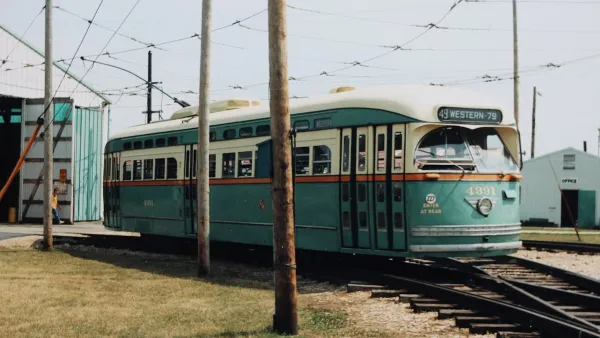
Chicago’s Ghost Rails
Just beneath the surface of the modern city lie the remnants of its expansive early 20th-century streetcar system.
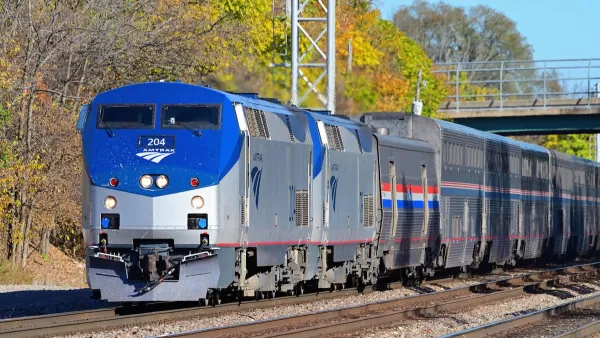
Amtrak Cutting Jobs, Funding to High-Speed Rail
The agency plans to cut 10 percent of its workforce and has confirmed it will not fund new high-speed rail projects.

Ohio Forces Data Centers to Prepay for Power
Utilities are calling on states to hold data center operators responsible for new energy demands to prevent leaving consumers on the hook for their bills.

MARTA CEO Steps Down Amid Citizenship Concerns
MARTA’s board announced Thursday that its chief, who is from Canada, is resigning due to questions about his immigration status.

Silicon Valley ‘Bike Superhighway’ Awarded $14M State Grant
A Caltrans grant brings the 10-mile Central Bikeway project connecting Santa Clara and East San Jose closer to fruition.

Urban Design for Planners 1: Software Tools
This six-course series explores essential urban design concepts using open source software and equips planners with the tools they need to participate fully in the urban design process.
Planning for Universal Design
Learn the tools for implementing Universal Design in planning regulations.


Caltrans
City of Fort Worth
Mpact (founded as Rail~Volution)
City of Camden Redevelopment Agency
City of Astoria
City of Portland
City of Laramie